 +86 13520127780
 info@jingelway.com







-
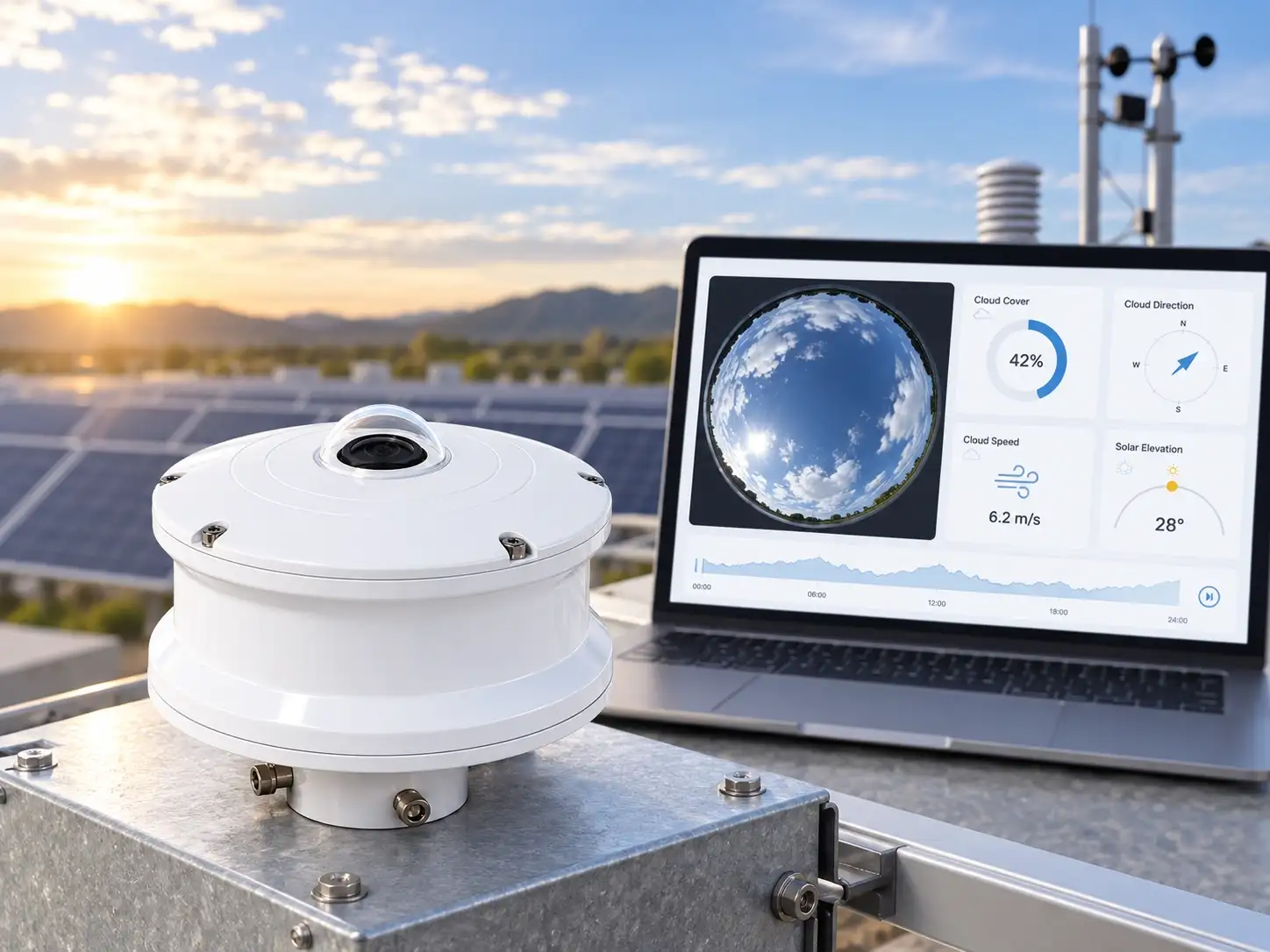
How Cloud Movement Data Supports Short-Term Solar Power Forecasting
Cloud conditions are an important part of photovoltaic environmental monitoring because changes in cloud cover can influence the solar radiation reaching a PV site. For short-term solar forecasting applications, it can therefore ...
2026.09.10
-
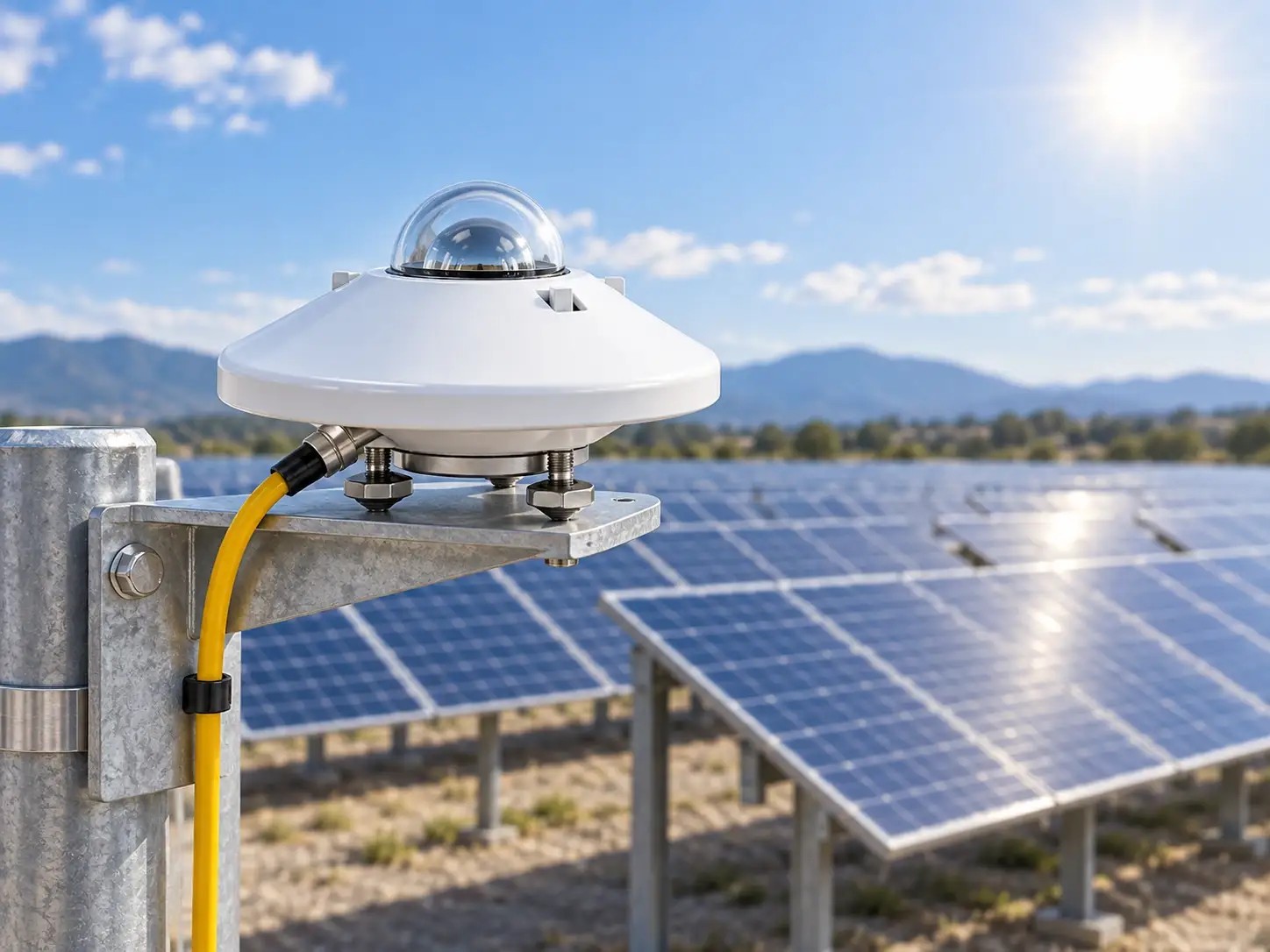
When Does a Solar Project Need a Class A Pyranometer?
Solar irradiance is one of the most important reference measurements in photovoltaic monitoring. However, not every solar project requires the same level of radiation measurement performance. A small rooftop installation, a distri...
2026.09.08
-
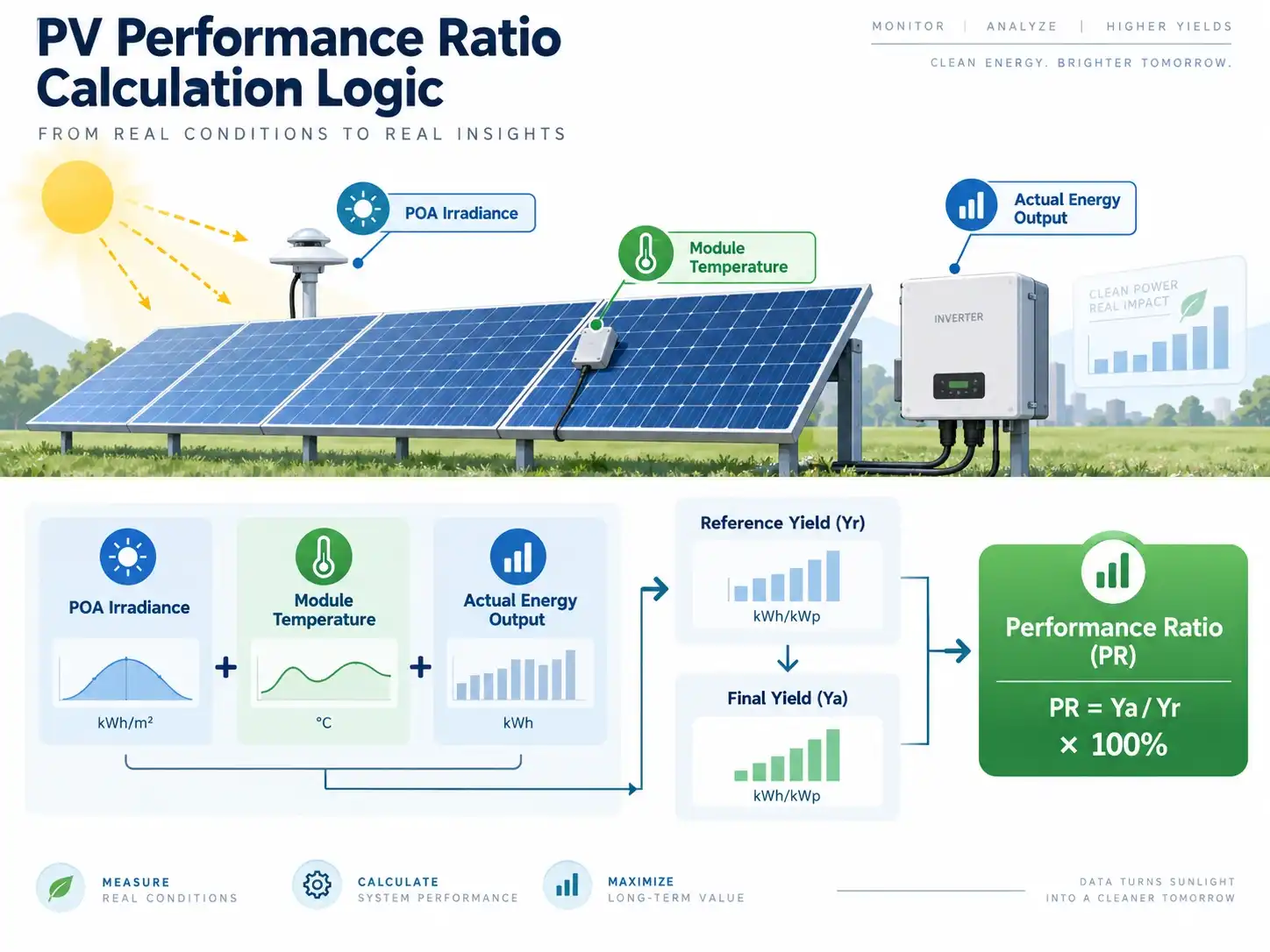
Using Solar Irradiance and Temperature Data to Maximize PV PR
For a photovoltaic power plant, total energy generation does not always tell the full story. A plant may generate more electricity on one day simply because more solar energy was available. On another day, production may decrease bec...
2026.09.06
-
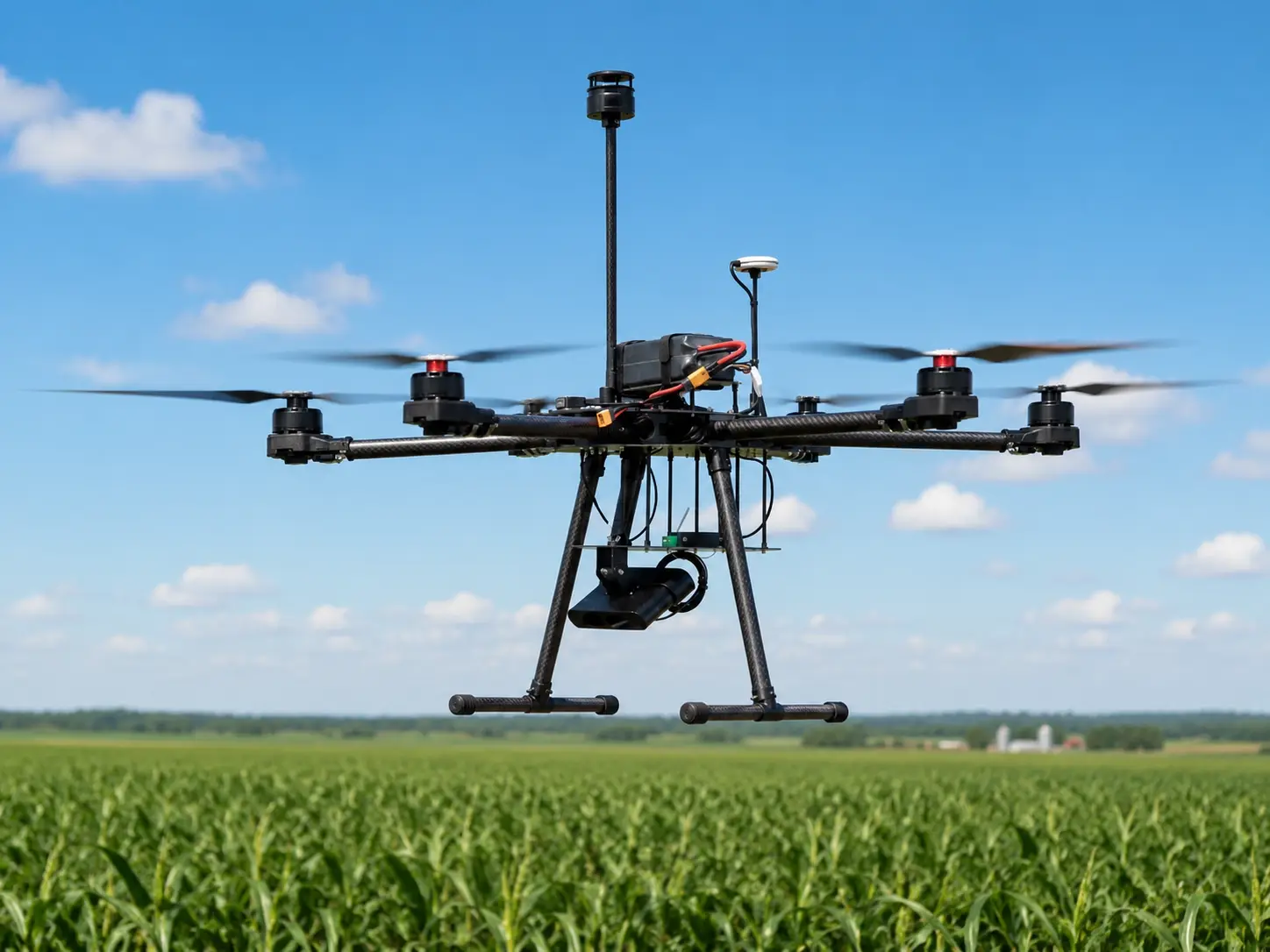
How UAV Ultrasonic Wind Sensors Enable Low-Altitude Wind Monitoring
Wind conditions can change significantly between ground level and the altitude where a drone is actually operating. A conventional weather station may tell operators what the wind is doing at a fixed location, but it cannot always de...
2026.09.02
-
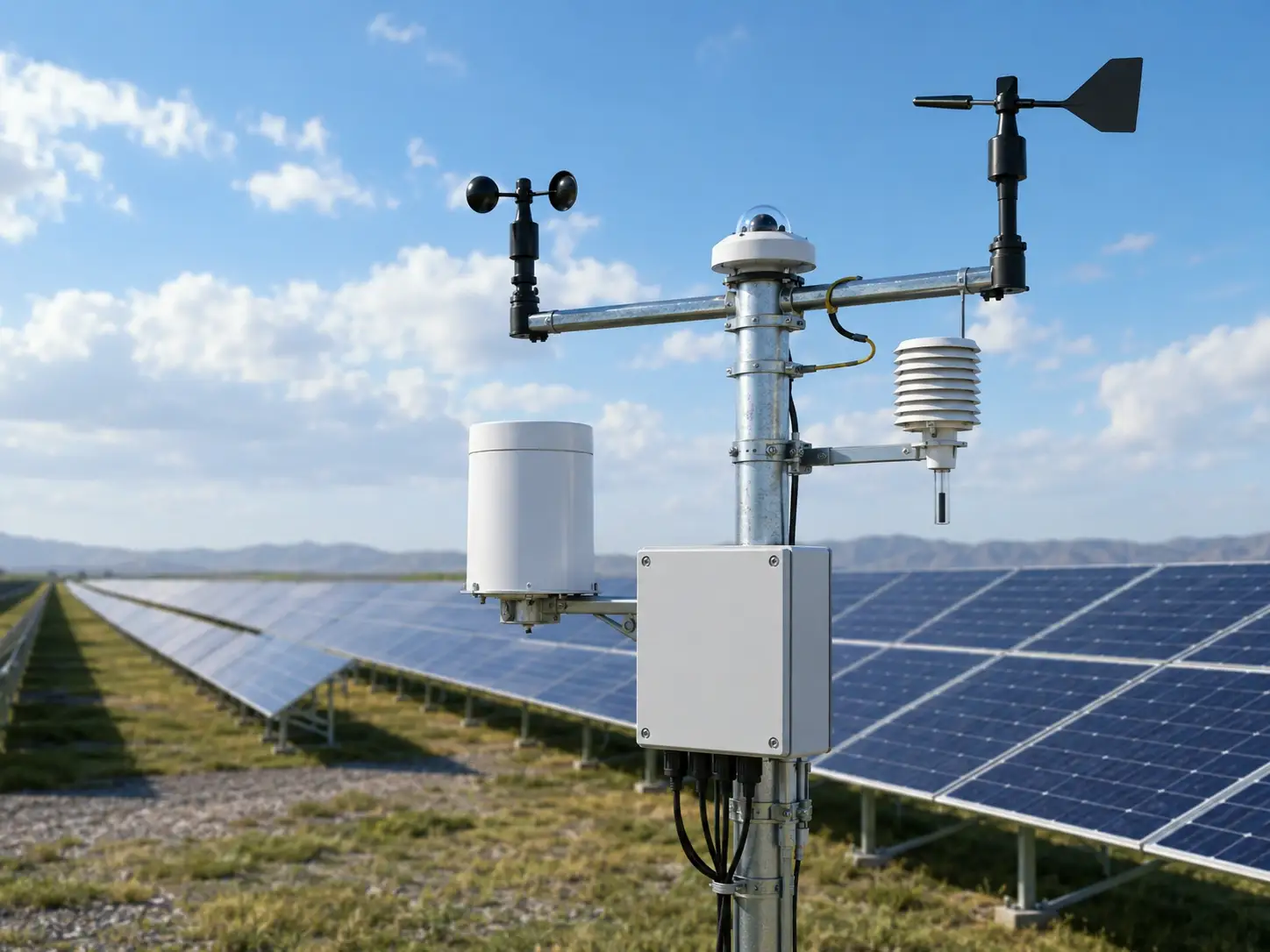
How Utility Scale Solar Farms Use PV Weather Stations to Optimize Output
A utility scale solar farm can contain thousands—or even millions—of photovoltaic modules spread across a large area. When power generation changes unexpectedly, operators need to determine whether the cause is lower solar irradiance, h...
2026.09.01
-
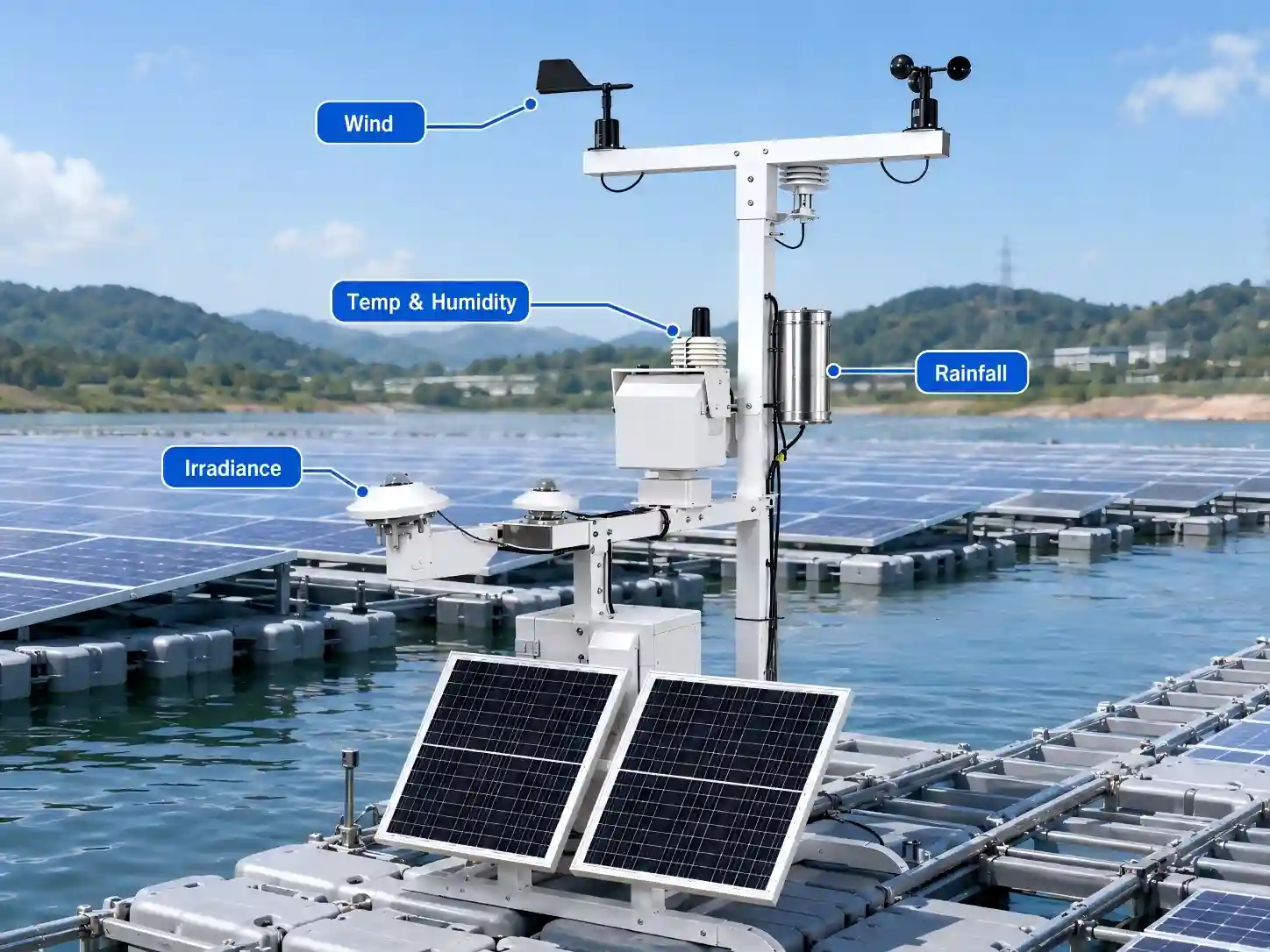
Floating PV Environmental Sensors Installation and Maintenance
Floating photovoltaic plants operate in an environment very different from conventional ground-mounted solar farms. The PV modules may be exposed to high humidity, water-level variation, wind-driven movement, corrosion, condensation,...
2026.08.28