 +86 13520127780
  info@jingelway.com








-
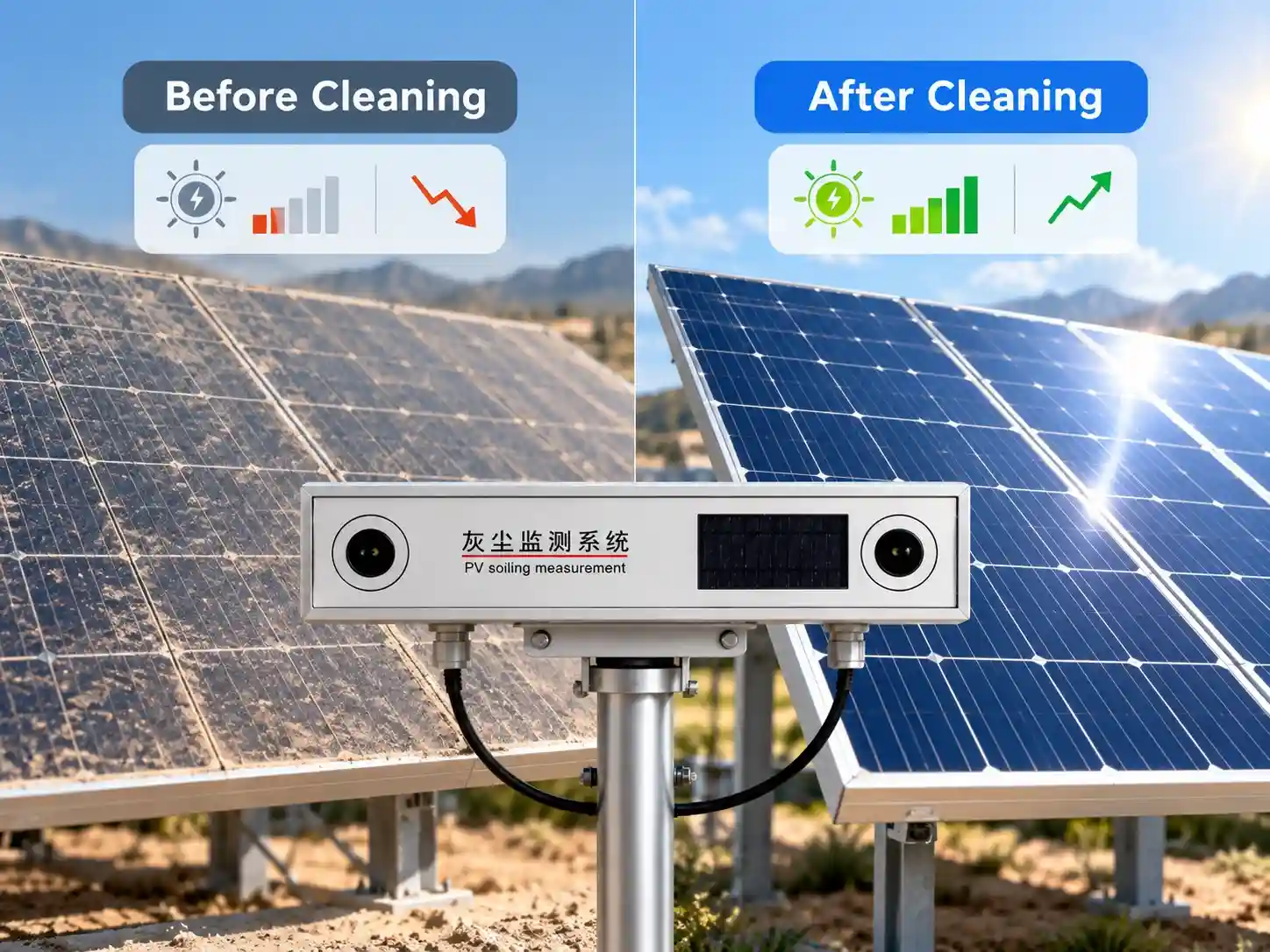
How PV Soiling Sensors Improve Maintenance Scheduling
For solar farm operators, knowing when to clean photovoltaic modules is an important part of maintaining energy production and controlling operating costs. Dust, sand, pollen, and other airborne contaminants can accumulate on solar p...
2026.10.27
-
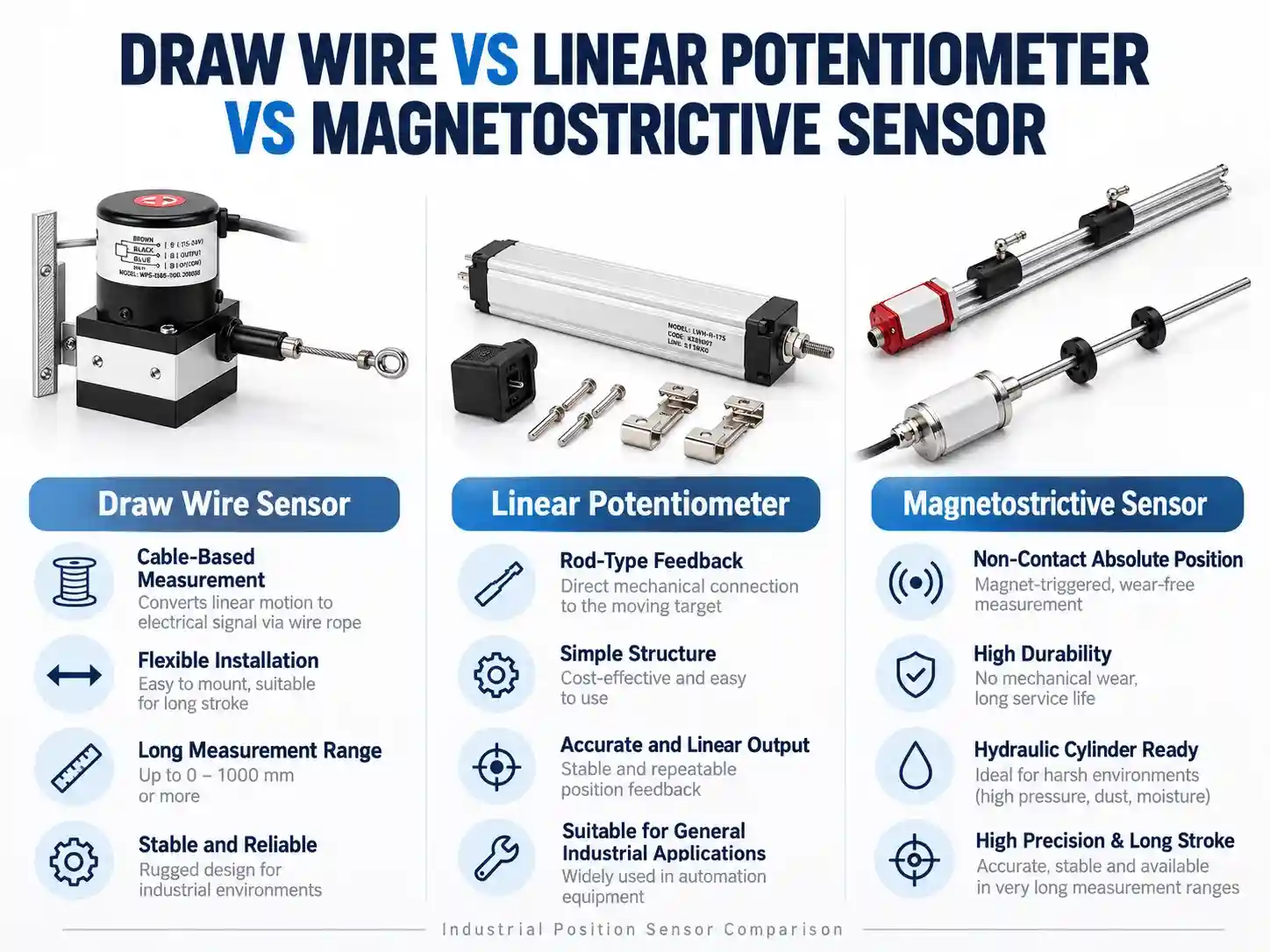
Draw Wire vs Linear Potentiometer vs Magnetostrictive Sensor: Which One to Choose?
Choosing the right industrial displacement sensor is not simply a matter of selecting the longest measuring range or the highest advertised accuracy. Draw wire displacement sensors, linear potentiometers, and magnetostrictive pos...
2026.10.26
-
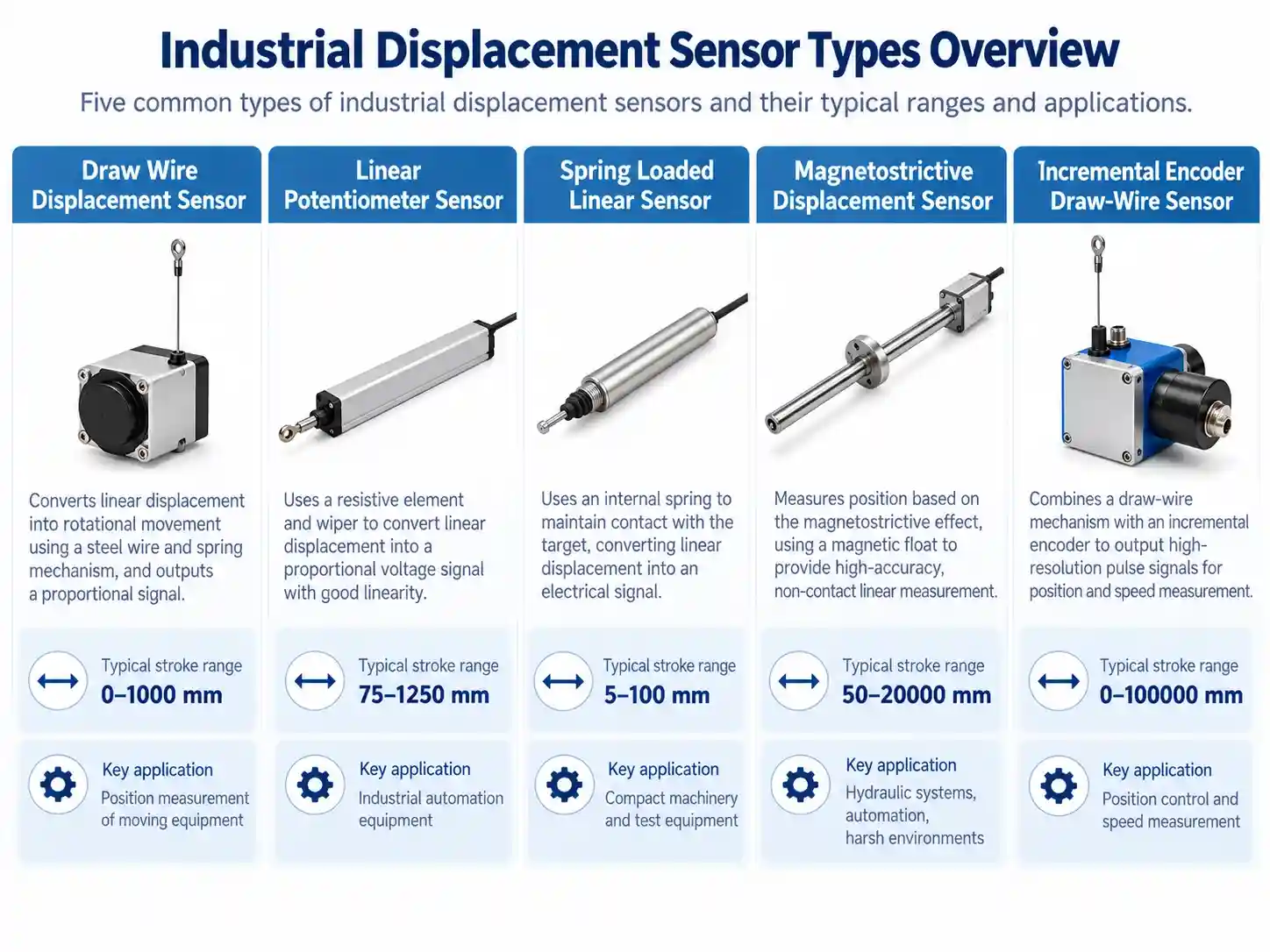
Industrial Displacement Sensors: Types, Working Principles and Selection Guide
Industrial displacement sensors play an important role in machinery automation, motion control, hydraulic systems, structural monitoring, and industrial measurement. Whether an engineer needs to monitor a 25mm machine movement, m...
2026.10.23
-
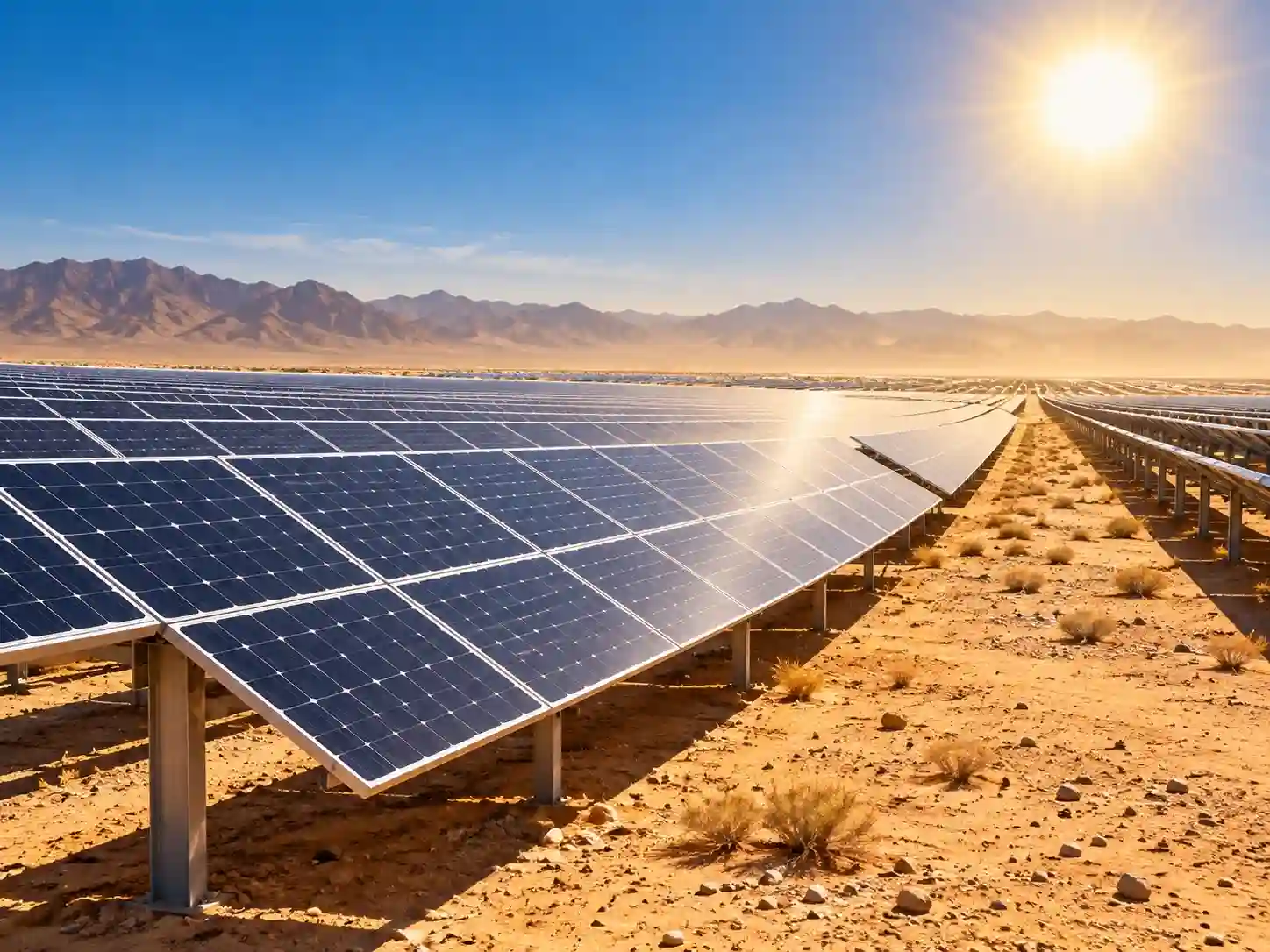
PV Module Temperature Monitoring in Extreme Heat Regions
Solar power plants in the Middle East, India, Africa, and Australia often operate under intense sunlight and elevated ambient temperatures. While abundant solar radiation creates favorable conditions for electricity generation, exce...
2026.10.22
-
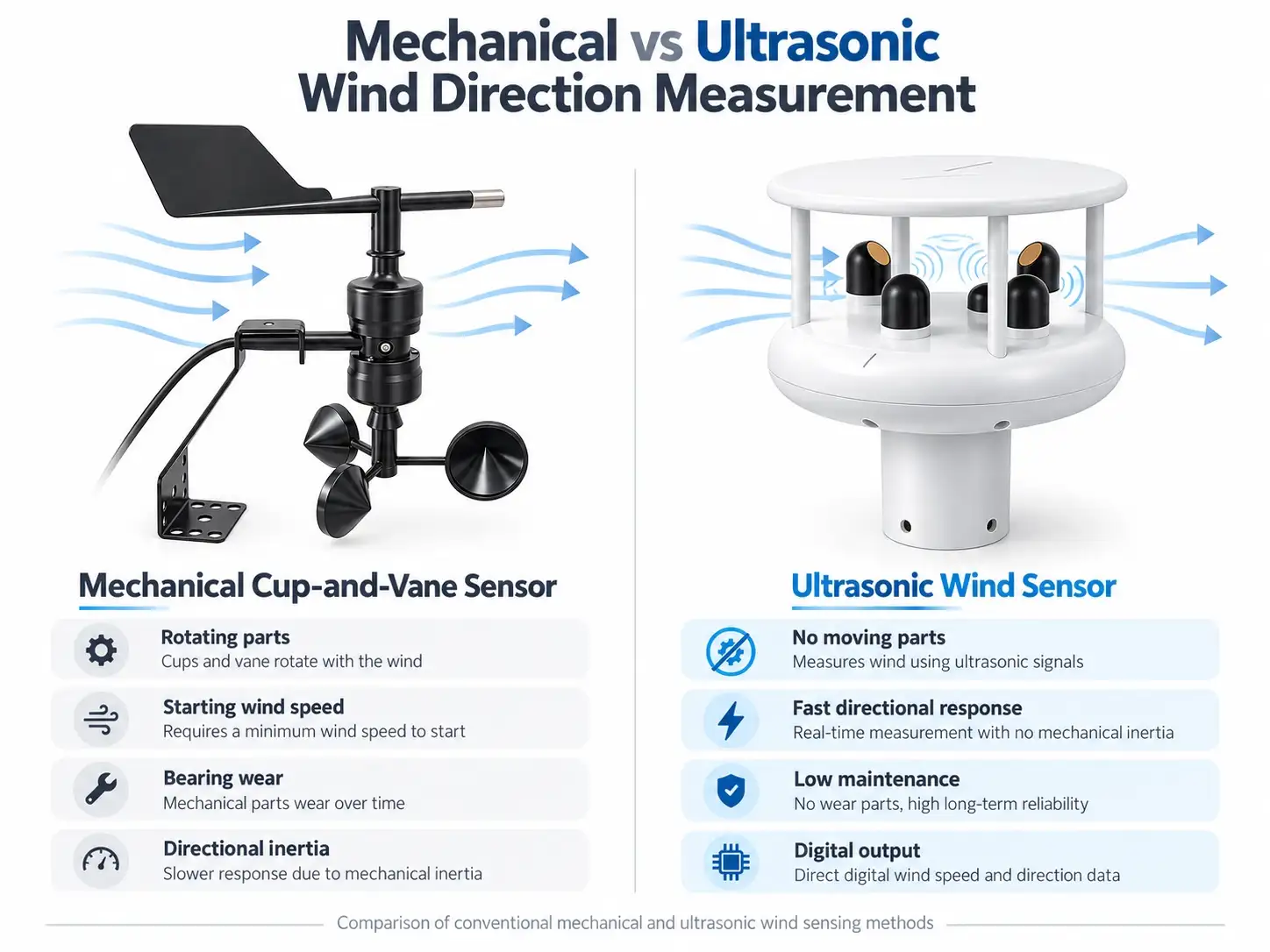
Wind Direction Measurement: Accuracy, Errors, and Ultrasonic Anemometers
Wind speed and wind direction are usually measured together, but achieving reliable results for these two parameters involves different challenges. An anemometer measures wind speed, while a wind direction sensor identifies the d...
2026.10.20
-
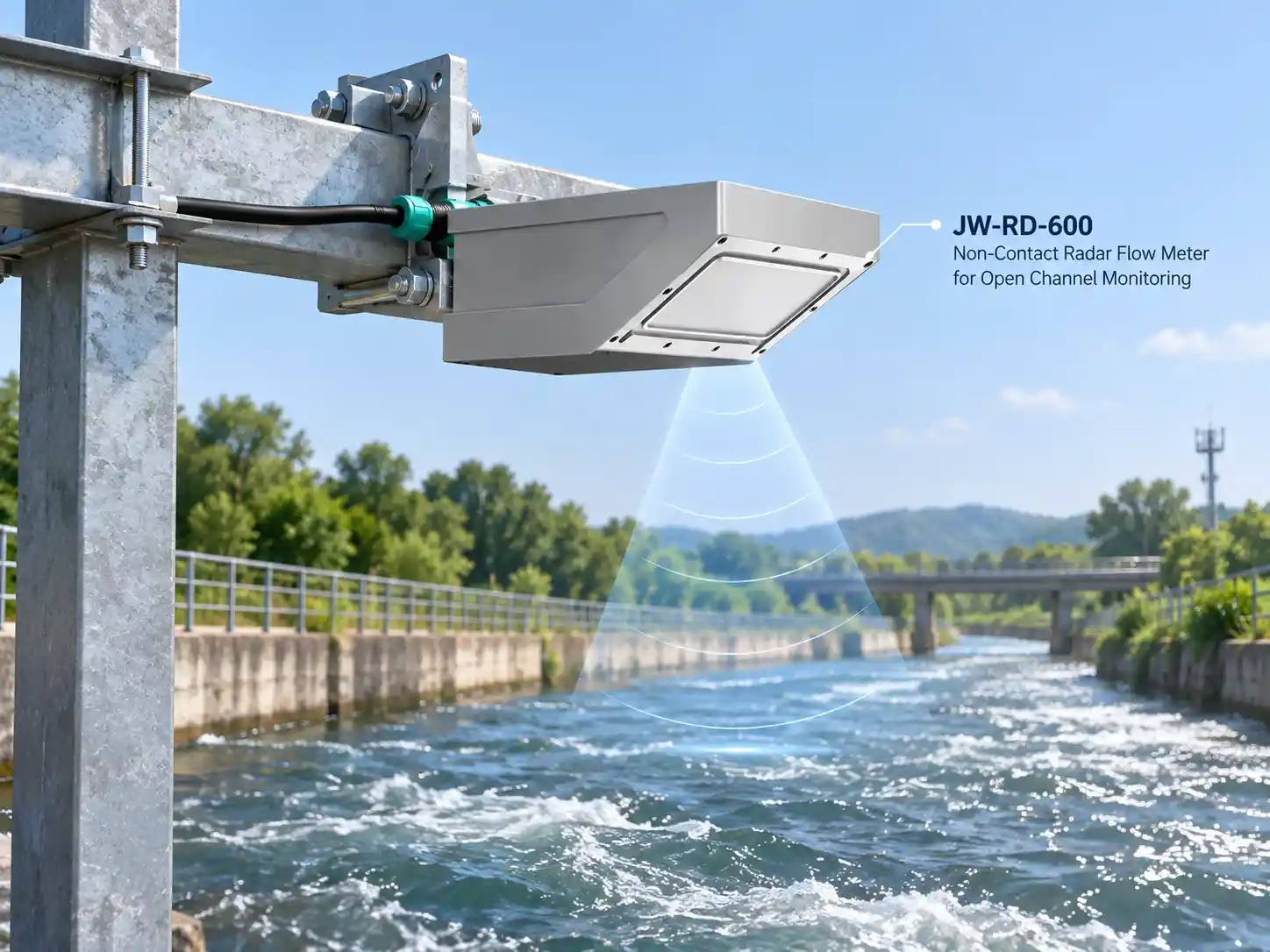
Radar Flow Meter vs Ultrasonic Flow Meter: Which Is Better for Open Channels?
ecting the right flow measurement technology is essential for reliable monitoring of rivers, irrigation canals, urban drainage networks, and wastewater channels. Two technologies commonly considered are radar flow meters and ultr...
2026.10.12