 +86 13520127780
  info@jingelway.com







-
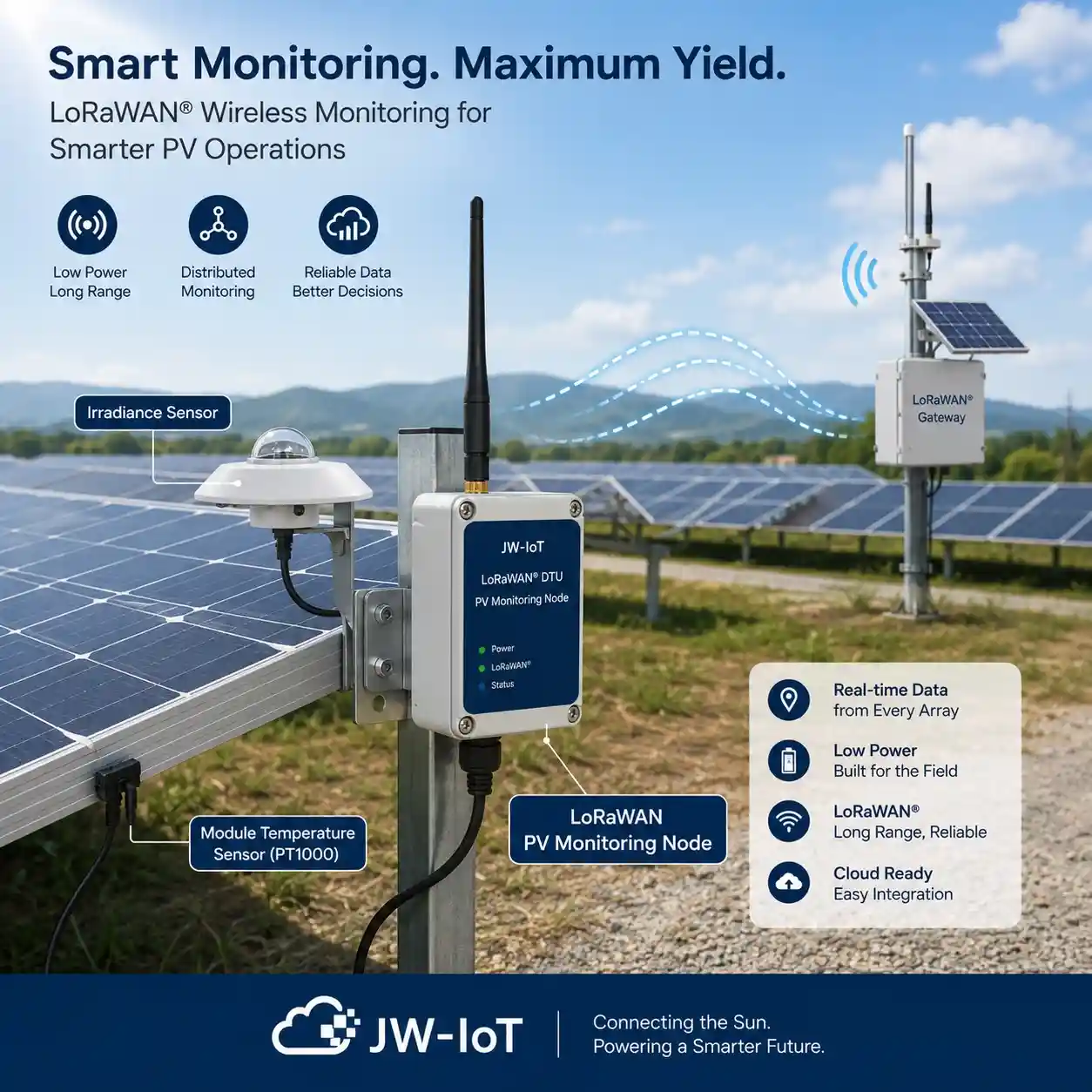
Choosing PV Monitoring Communication: LoRaWAN vs 4G vs RS485
A solar monitoring system is only useful when its data reaches the right platform reliably. Solar irradiance sensors, PV module temperature sensors, weather stations, inverters, electricity meters, and soiling monitoring devices may ...
2026.07.12
-
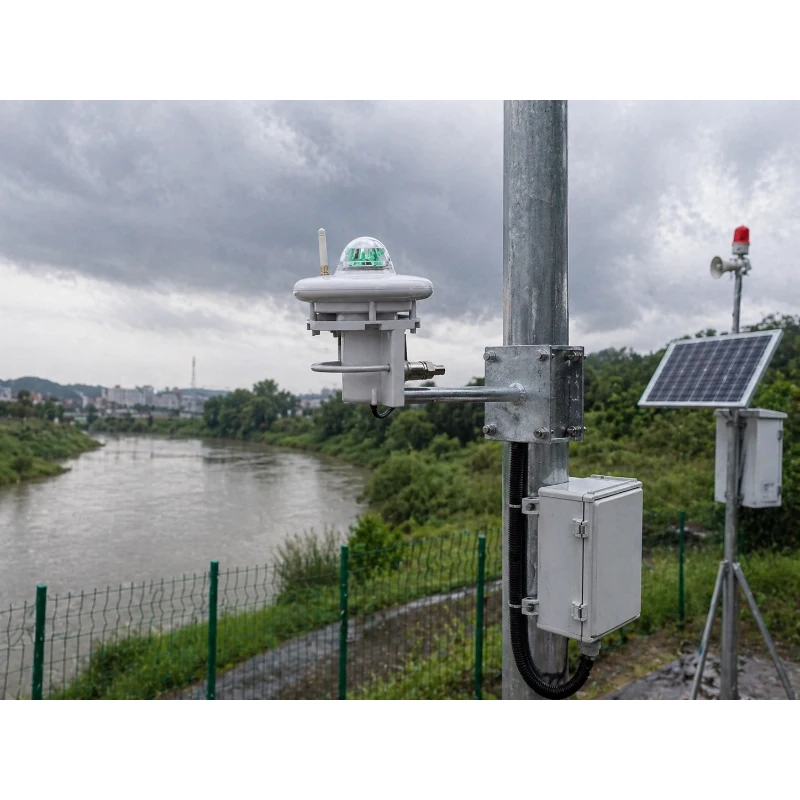
Are IoT Rain Gauges Accurate Enough for Agriculture?
IoT rain gauges can help with: * Irrigation scheduling * Rainfall-triggered irrigation suspension * Drainage management * Orchard monitoring * Greenhouse outdoor-weather verification * Crop-disease risk monitoring *...
2026.07.08
-
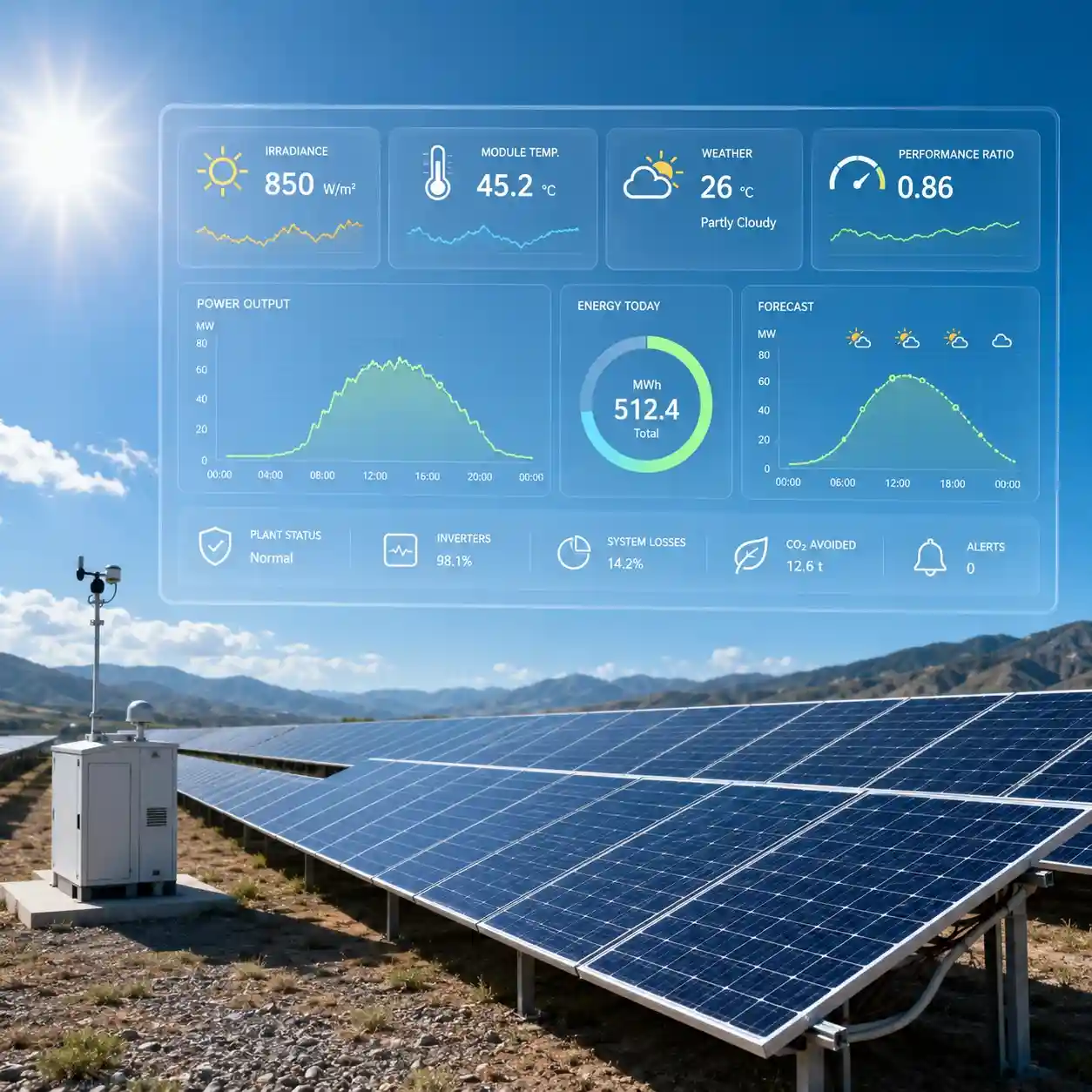
Solar PV Monitoring Data for Accurate Performance Ratio and Forecasting
A solar power plant can generate thousands of data points every day. Yet having more data does not automatically lead to better decisions. The real value of PV monitoring data comes from connecting environmental conditions with a...
2026.07.08
-
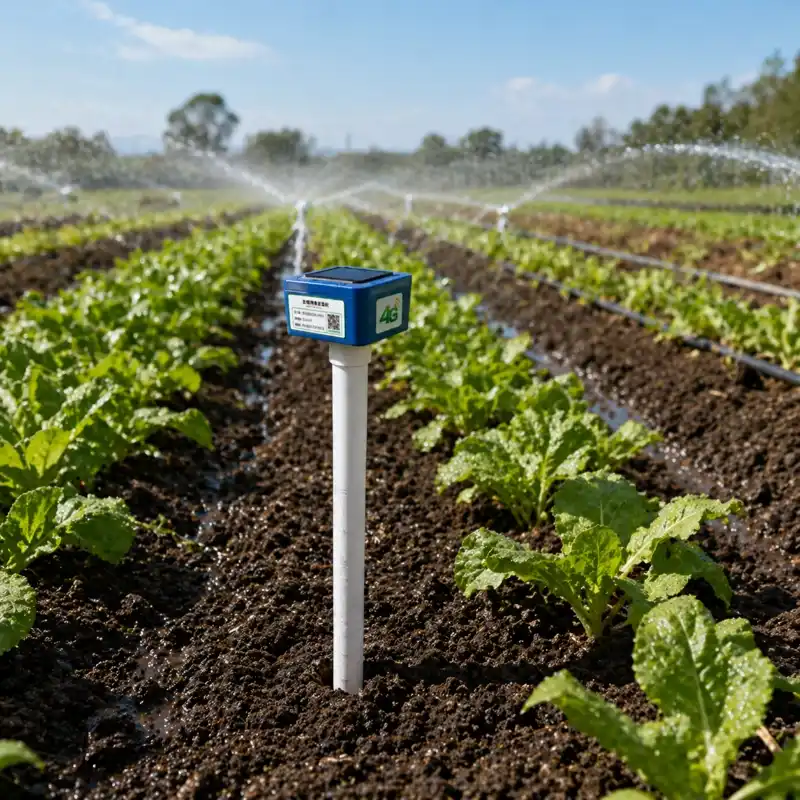
Agricultural Temperature Sensors: Uses, Types and Selection Guide
Introduction Temperature is one of the most important environmental factors in agriculture. It affects seed germination, root development, plant growth, microbial activity, irrigation efficiency, nutrient absorption, and crop stress ...
2026.07.05
-
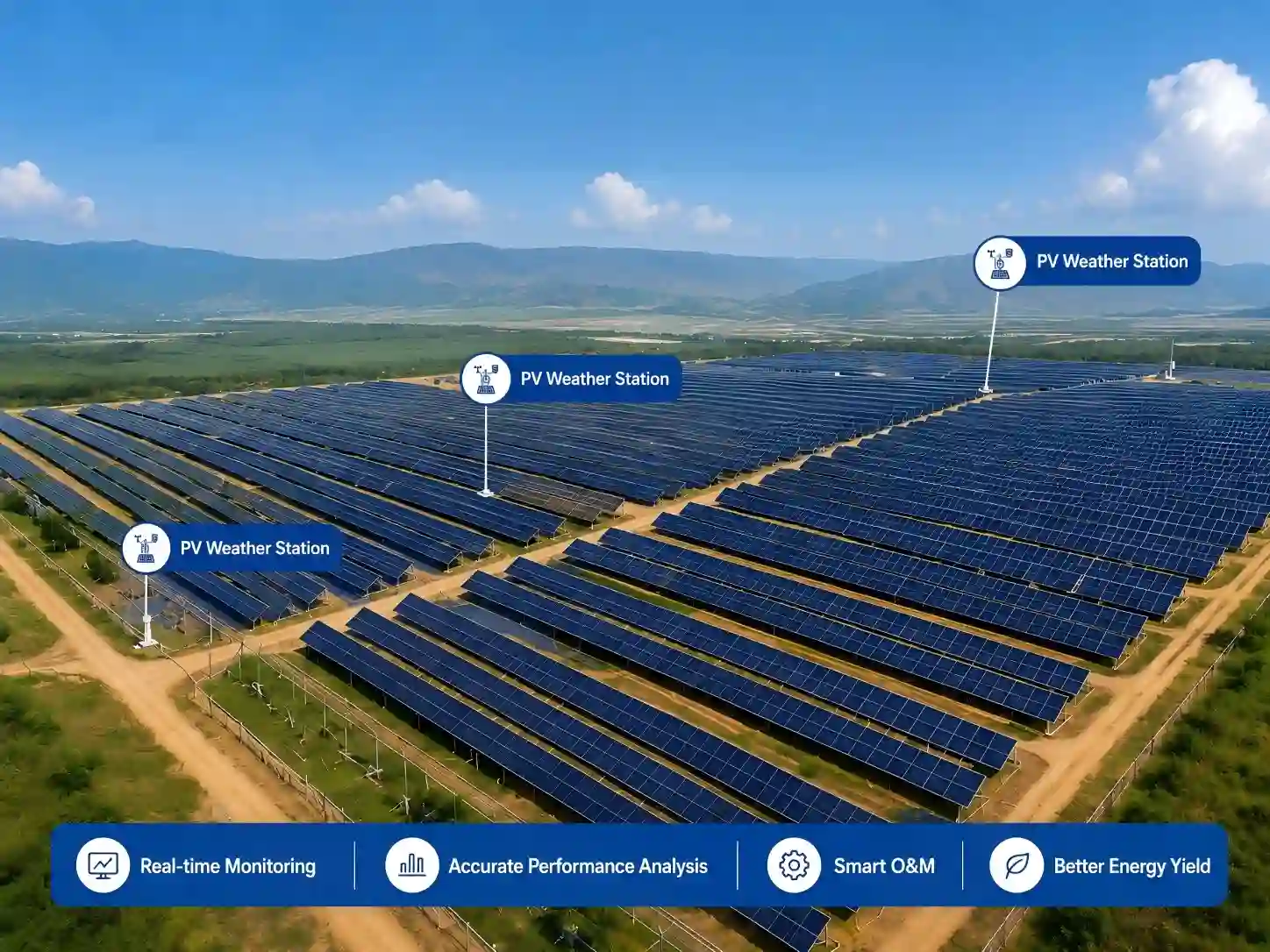
PV Weather Stations for Utility-Scale Solar Farms: 5 Key Benefits
Introduction For a utility scale solar farm, power generation is not only determined by the number of PV modules installed. Real operating performance is also affected by solar irradiance, module temperature, wind speed, wind directi...
2026.07.05
-
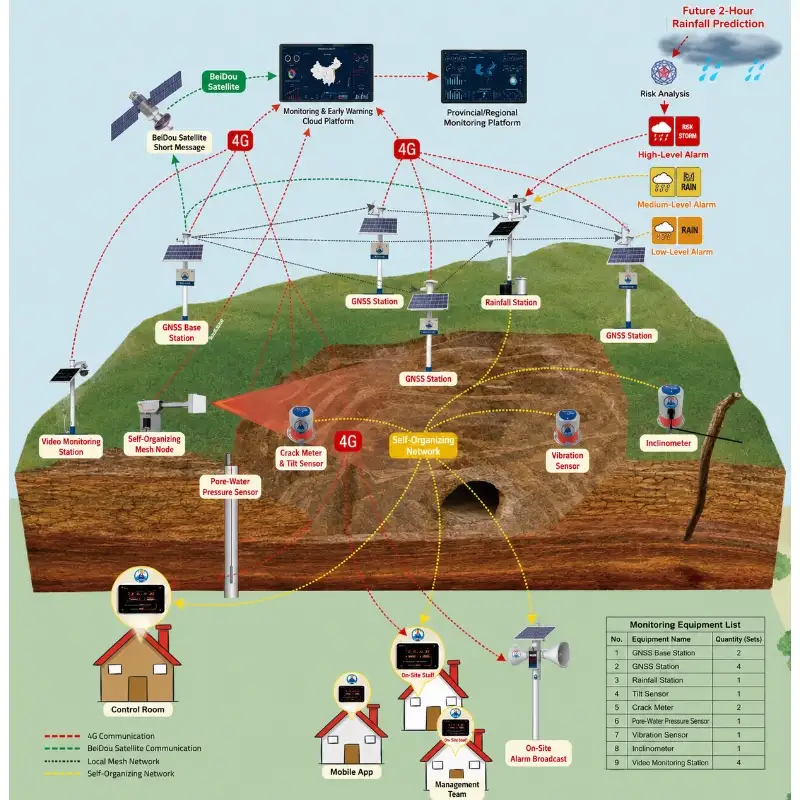
Mine Safety Monitoring System: Sensors, Radar, GNSS and Early Warning
Mining risks rarely develop from one parameter alone. A slope failure may be preceded by small changes in displacement, rainfall, pore-water pressure, cracking, or blasting vibration. A tailings dam may show no obvious surface damage...
2026.07.04