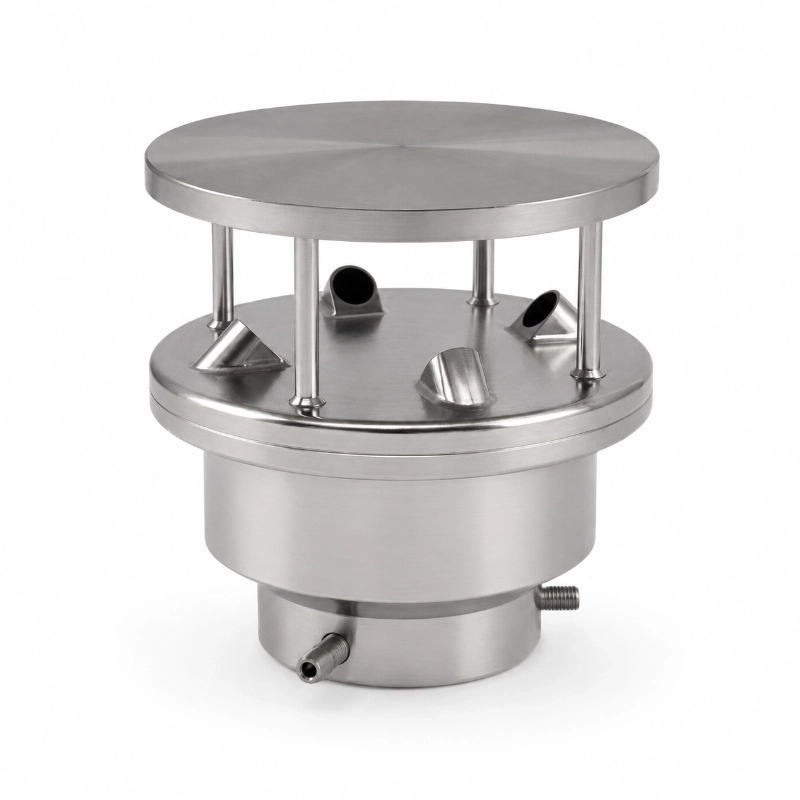
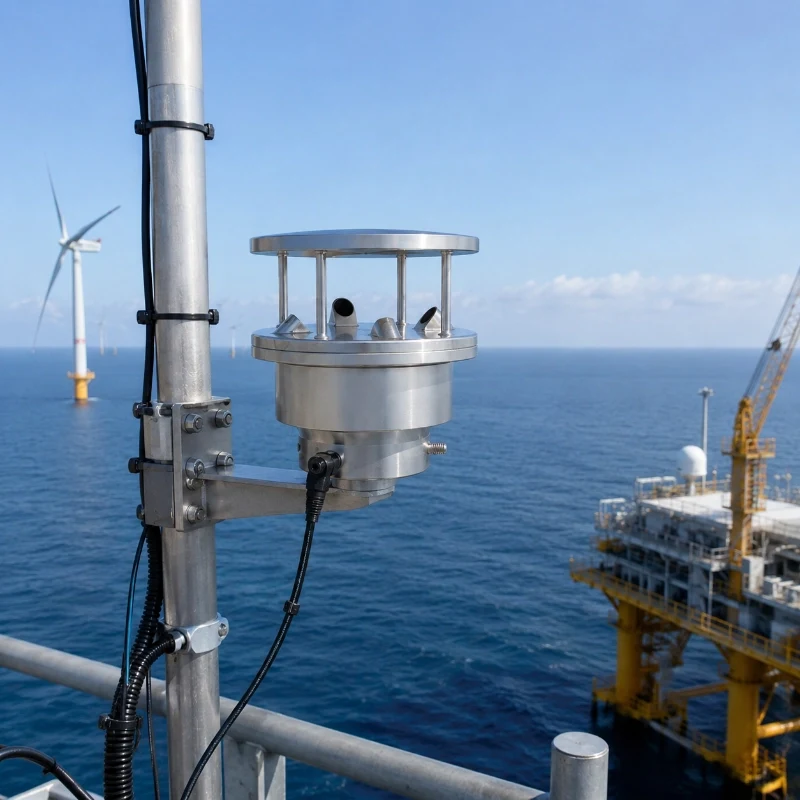
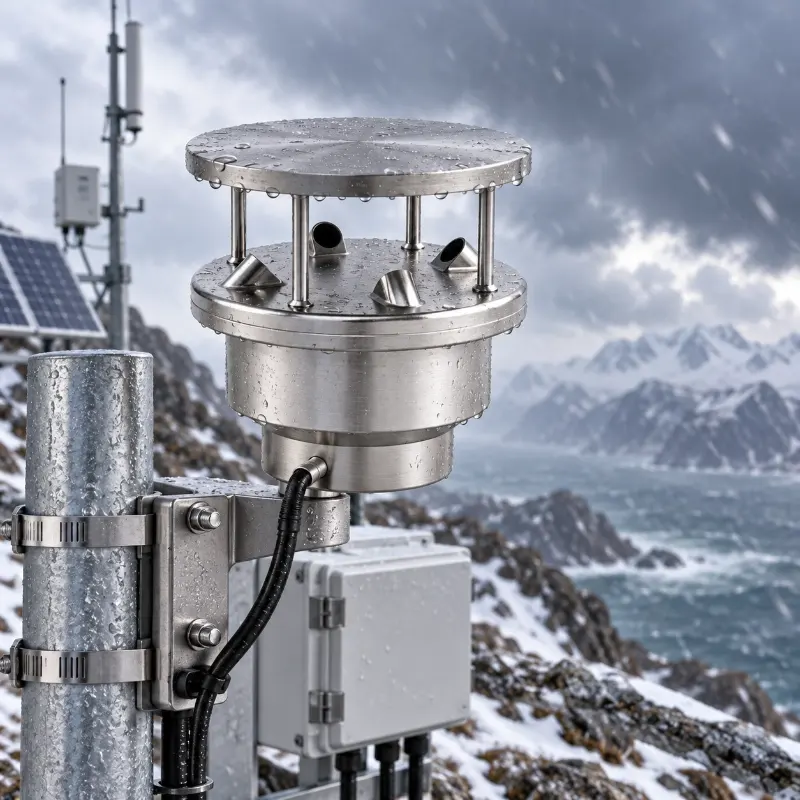
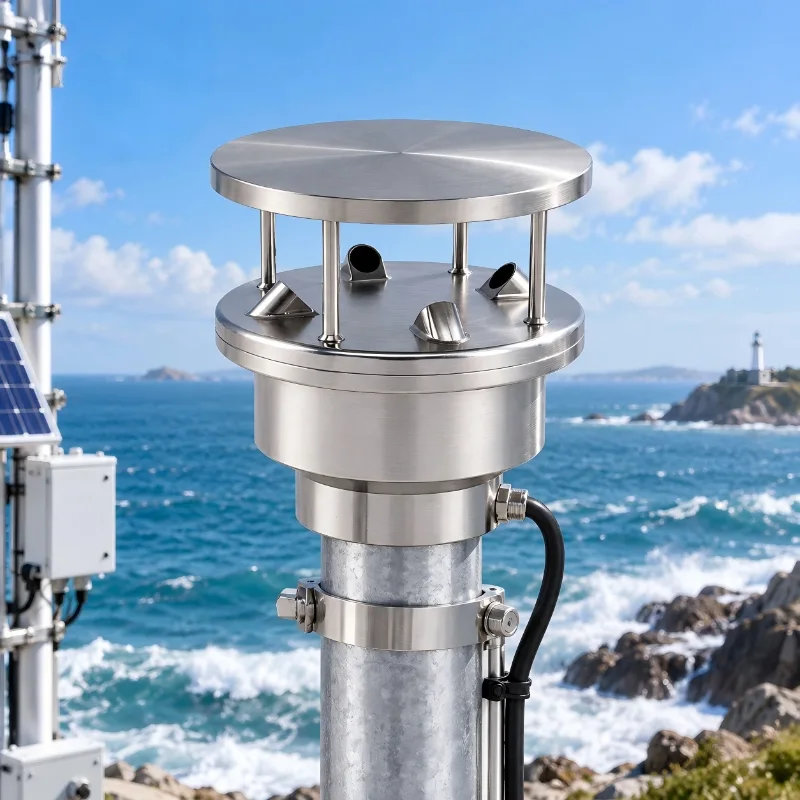
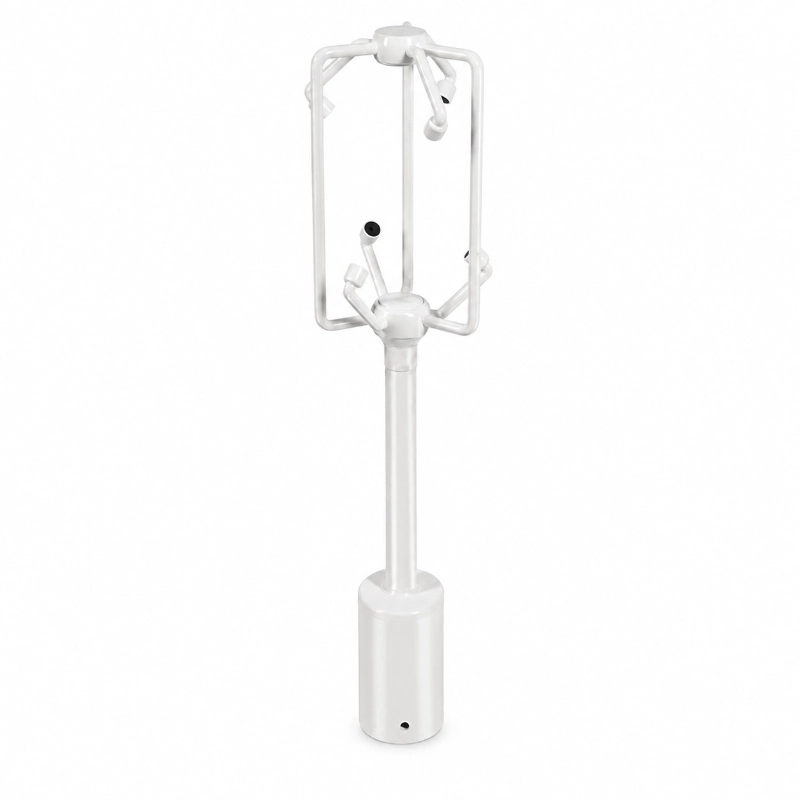
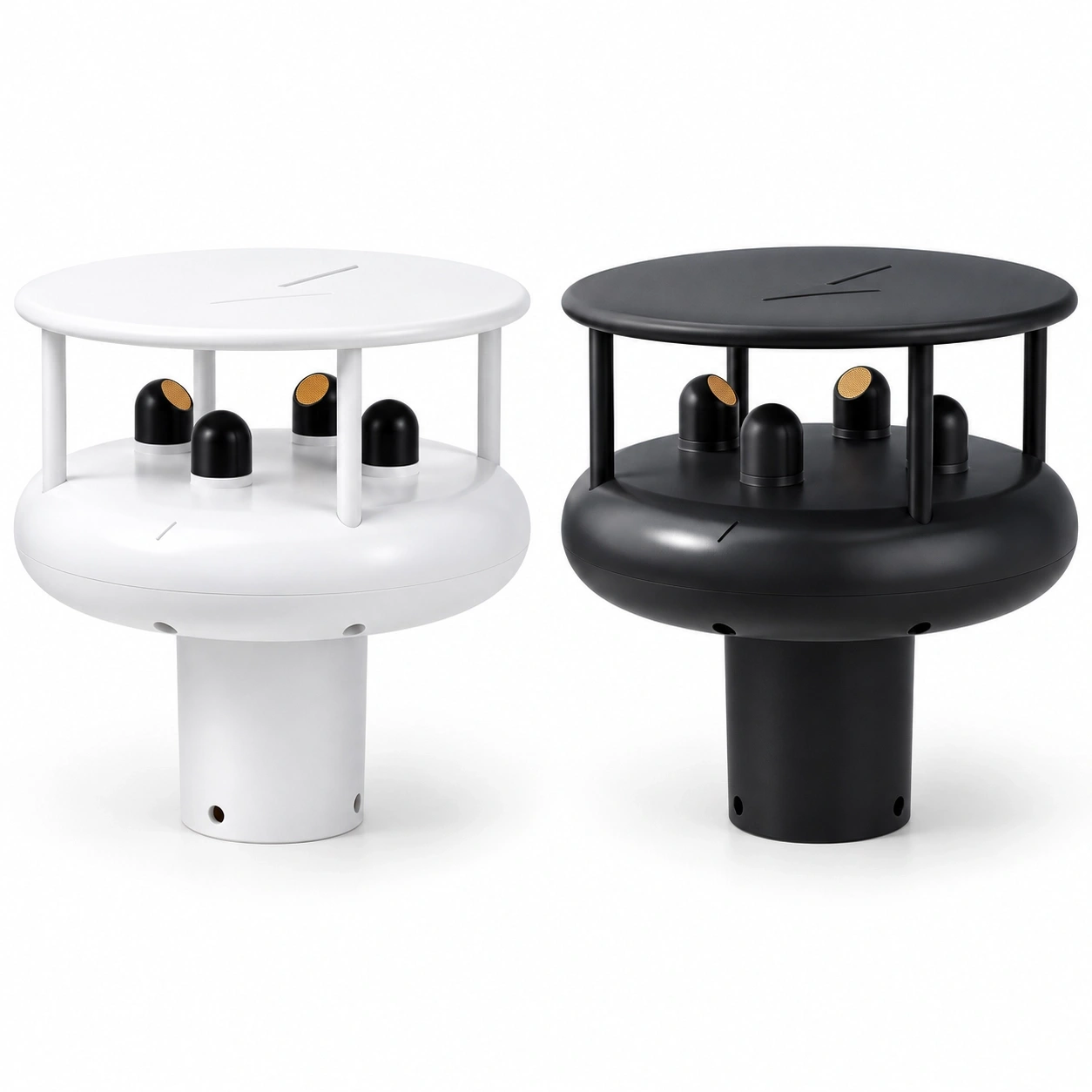
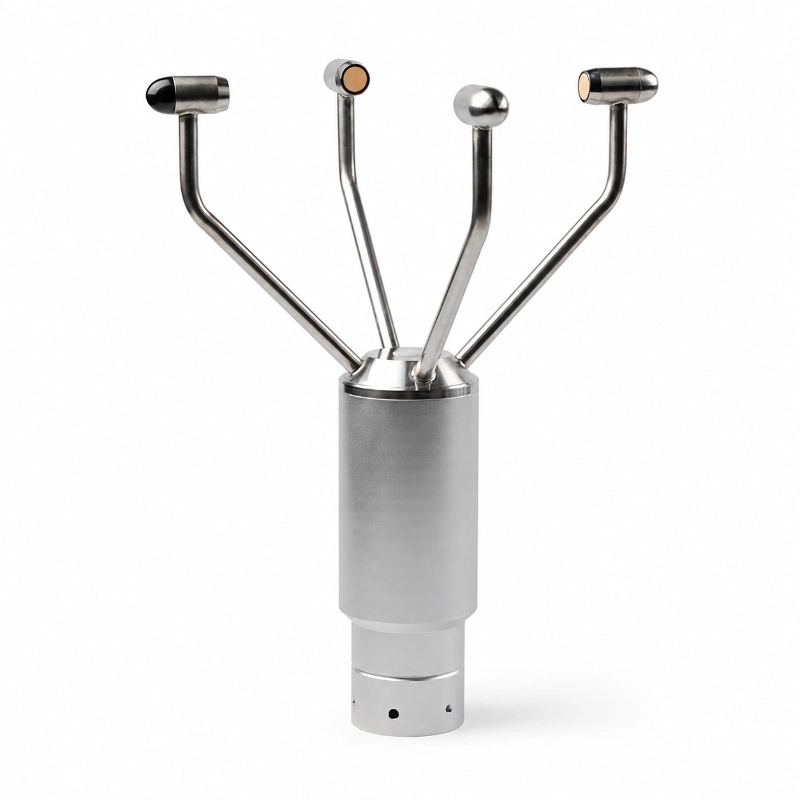
JW-ST50H(SW04) ultrasonic wind sensor is designed for continuous wind speed and wind direction measurement in offshore, coastal and other demanding outdoor environments.
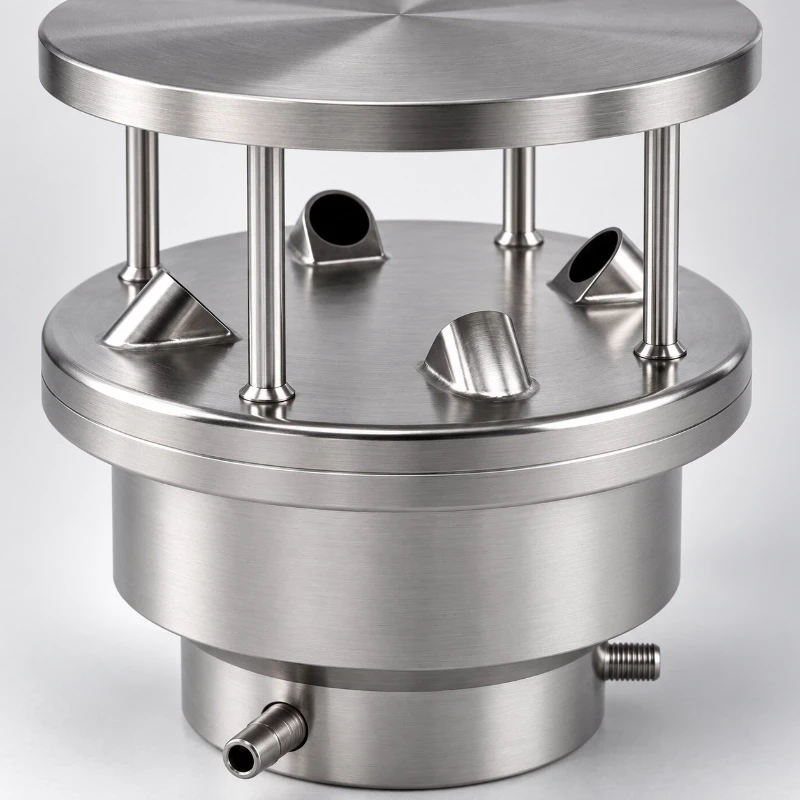
Using ultrasonic phase-difference measurement technology, the sensor measures wind without rotating cups or a mechanical wind vane. Its 316 stainless steel housing, C5-M corrosion resistance, IP67 protection and integrated automatic heating system make it especially suitable for offshore wind power, coastal weather observation and harsh industrial monitoring sites exposed to high humidity, salt-laden air, severe cold, strong wind or icing conditions.
The standard wind speed measuring range is 0 to 50 m/s, with an optional range up to 0 to 75 m/s. Multiple analog and digital output options, including RS485, allow the sensor to be integrated into weather stations, data acquisition systems, SCADA platforms and industrial monitoring systems.
For projects requiring reliable wind measurement with reduced mechanical maintenance in challenging environments, JW-ST50H(SW04) provides a robust ultrasonic alternative to conventional cup-and-vane wind sensors.
Product Overview
The JW-ST50H(SW04) stainless steel ultrasonic wind sensor is a professional instrument developed for real-time wind speed, wind direction and wind temperature measurement.
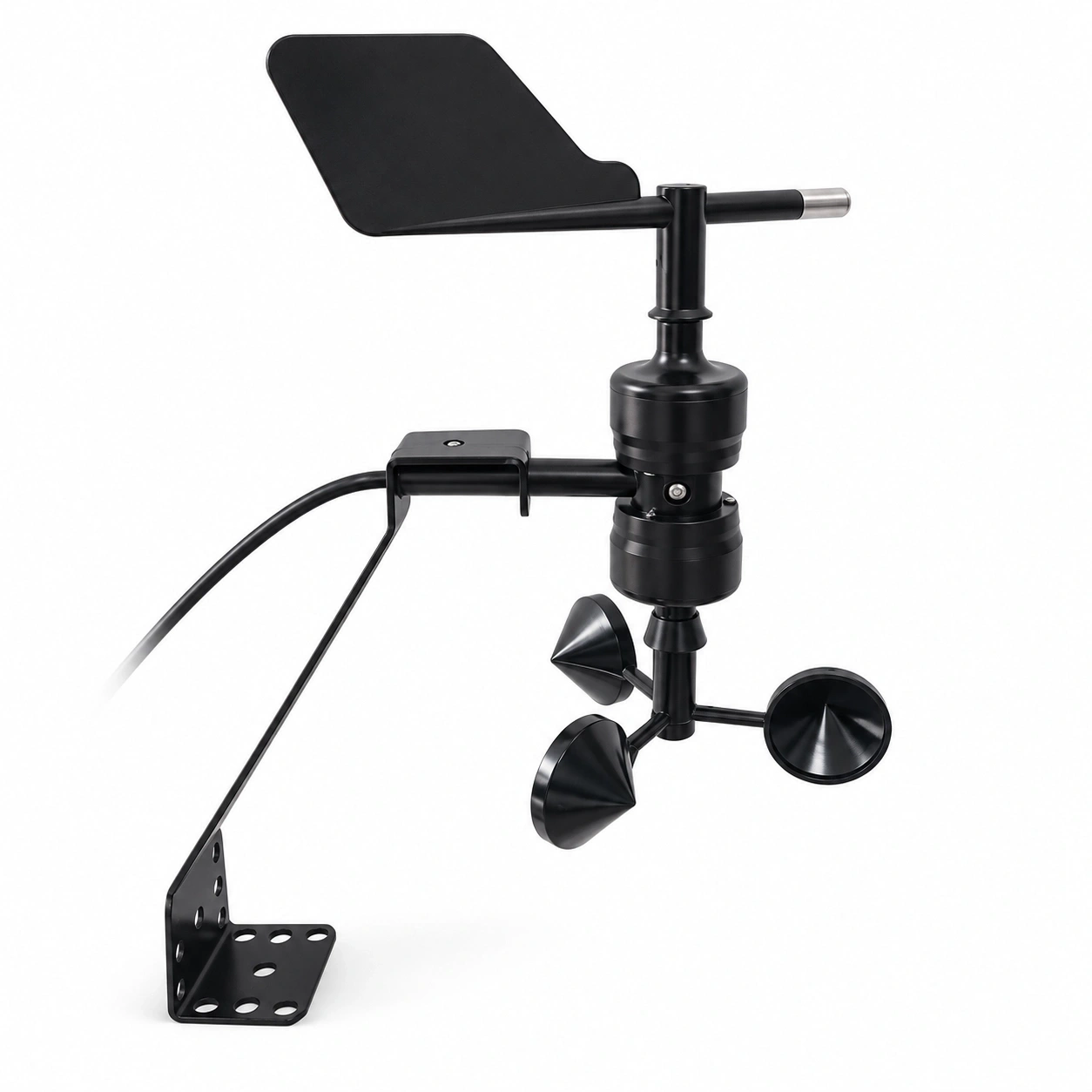
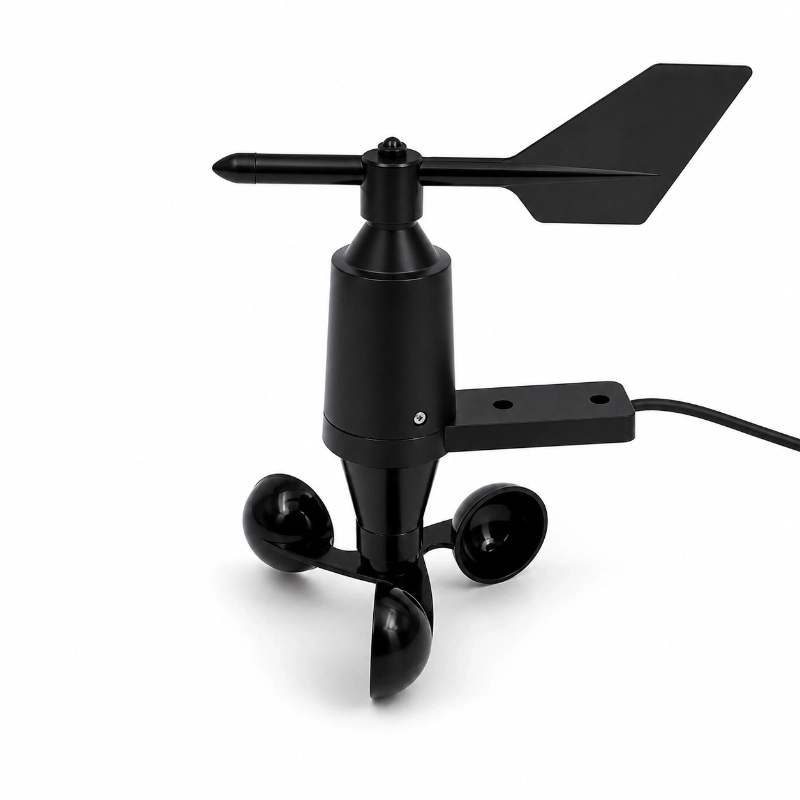
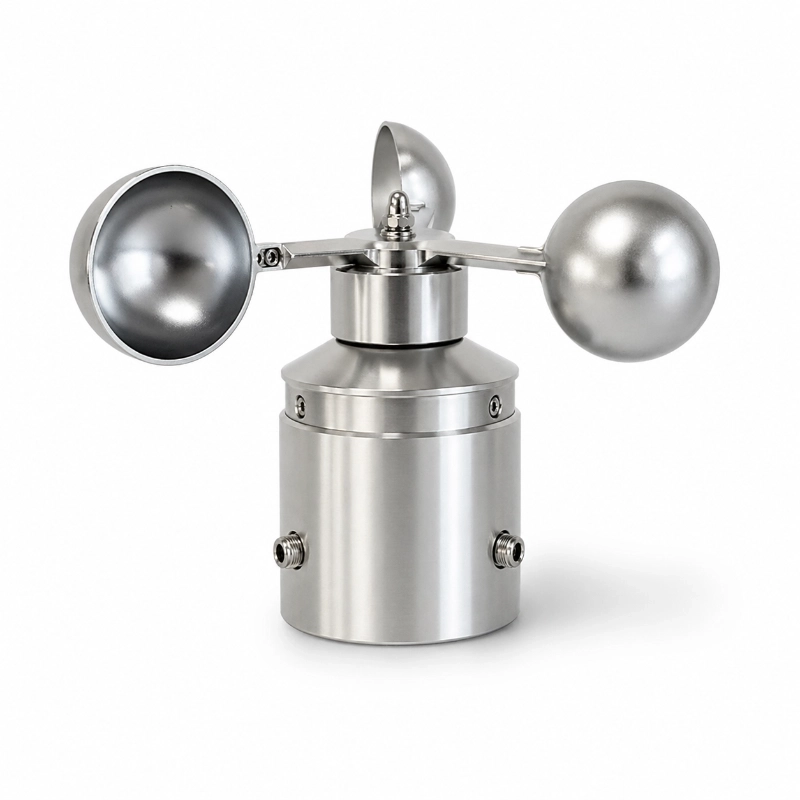
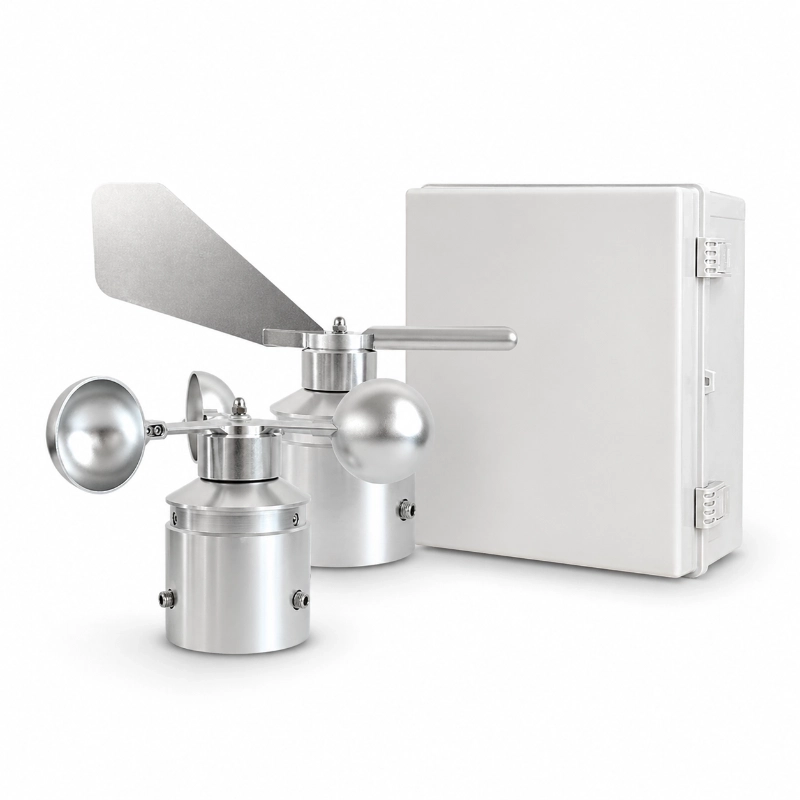
Unlike a conventional mechanical anemometer that depends on rotating cups, bearings and a wind vane, the JW-ST50H(SW04) uses ultrasonic signals passing through the air to determine wind conditions.
The absence of rotating wind-measurement components eliminates mechanical bearing wear associated with traditional cup-and-vane structures and makes the sensor suitable for applications where maintenance access may be difficult.
This is particularly important for:
Offshore wind turbines
Offshore substations
Coastal monitoring sites
Marine platforms
Remote meteorological stations
High-altitude installations
Cold and icing regions
Harsh industrial outdoor locations
The housing is manufactured from 316 stainless steel and designed with C5-M corrosion resistance, while the complete sensor provides IP67 environmental protection.
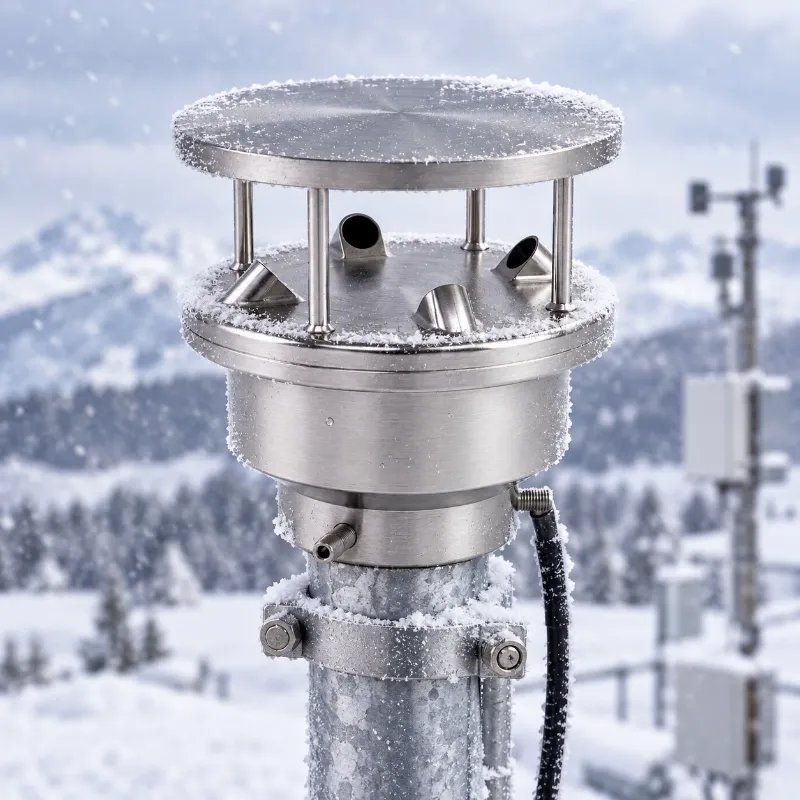
An integrated heating and temperature-control system further improves suitability for cold-weather applications where snow, frost or ice may otherwise interfere with wind measurement.
Technical Specifications
General Specifications
Item
Specification
Product Type
Ultrasonic Wind Sensor
Dimensions
109.8 mm × 120.8 mm
Weight
1.5 kg
Working Temperature
-40°C to +85°C or -55°C to +85°C
Power Supply
24VDC ±25%
Power Consumption
24VDC max 170VA heating mode
24VDC max 0.2VA working mode
Electrical Connection
8 pin aviation connector
Housing Material
316 Stainless Steel
Protection Grade
IP67
Corrosion Resistance
C5-M
Surge Protection Level
Level 4
Baud Rate
1200 to 57600
Wind Speed Performance
Item
Specification
Range
0 to 50 m/s
Optional Range
0 to 75 m/s
Accuracy
0.2 m/s at 0 to 10 m/s
±2% above 10 m/s
Resolution
0.1 m/s
Wind Direction Performance
Item
Specification
Range
0 to 360°
Accuracy
±2°
Resolution
1°
Wind Temperature Performance
Item
Specification
Range
-55°C to +85°C
Accuracy
±0.5°C
Resolution
0.1°C
Output and Communication
The ultrasonic wind sensor supports a wide range of output signals, making it easy to integrate into industrial control systems, weather stations, SCADA platforms, and IoT monitoring networks.
Analog Output Options
0 to 20mA
4 to 20mA
0 to 10V
2 to 10V
0 to 5V
Pulse 2 to 2000Hz
Gray code 2 bit and 4 bit
Digital Output
RS485 half duplex
RS485 full duplex
These options allow the ultrasonic wind sensor to be incorporated into both new and existing monitoring systems.
For projects requiring digital communication, confirm the communication mode, baud rate and receiving equipment before ordering.
How Ultrasonic Wind Measurement Works
Ultrasonic wind measurement does not depend on the rotation of mechanical wind cups.
The sensor transmits ultrasonic signals through defined acoustic paths. When air moves through the measurement area, the propagation characteristics of the ultrasonic signals change.
By analysing the phase difference of the ultrasonic signals, the sensor calculates wind speed and wind direction.
The resulting measurements are converted into electrical or digital output signals for use by the connected monitoring system.
Because the measurement principle does not require rotating cups, wind vanes or wind-measurement bearings, ultrasonic technology avoids several mechanical components that are subject to wear in traditional anemometers.
This characteristic is especially useful in remote or difficult-to-access installations.
Why Offshore Wind Monitoring Requires a Different Sensor Design
Wind measurement at an offshore or coastal site is not the same as installing a general-purpose wind sensor in an ordinary land-based environment.
Offshore equipment may remain continuously exposed to combinations of:
High relative humidity
Salt-laden air
Strong wind
Rapid weather changes
Rain and water exposure
Low temperatures
Frost and icing
Difficult maintenance access
Long unattended operating periods
This makes the mechanical design, housing material, corrosion protection, heating capability and electrical interface important selection factors.
The JW-ST50H(SW04) is designed around these environmental requirements rather than simply providing basic wind speed and direction measurement.
Why 316 Stainless Steel Matters for Marine and Coastal Applications
Material selection becomes especially important when wind-monitoring equipment is installed near the sea.
JW-ST50H(SW04) uses a 316 stainless steel housing and is specified with C5-M corrosion resistance.
These characteristics make the sensor better suited to demanding coastal and offshore environments where moisture and salt exposure may increase corrosion stress on field equipment.
For project engineers, sensor material should therefore be evaluated together with:
Installation location
Salt exposure
Humidity
Expected maintenance interval
Temperature range
Icing conditions
Mounting structure
Cable and connector protection
Selecting a wind sensor based only on measurement range may overlook environmental factors that can be equally important for long-term field operation.
Integrated Heating for Cold and Icing Environments
Cold-weather wind monitoring introduces another challenge: icing.
Frost, snow or ice accumulation around the sensing area may interfere with wind measurement if the sensor is not designed for the environment.
JW-ST50H(SW04) therefore incorporates an automatic heating and temperature-control system.
The heating function is particularly relevant for installations such as:
Offshore wind turbines in cold regions
Northern coastal weather stations
Mountain meteorological stations
High-altitude wind monitoring sites
Cold-region industrial infrastructure
When heating is required, the power system must be designed around the higher heating-mode power requirement rather than the normal sensor operating consumption alone.
This consideration is especially important for remote sites using solar panels, batteries or other limited power sources.
C5-M Corrosion Resistance and Environmental Protection
Offshore monitoring equipment must be selected not only according to sensor accuracy but also according to environmental exposure.
to support installation in demanding outdoor applications.
The IP67 design provides dust and water protection, while the corrosion-resistant construction is intended for environments where exposure conditions are more severe than those encountered by many standard meteorological sensors.
For marine applications, cable entries, connectors, mounting hardware and the complete installation system should also be selected according to the actual environmental conditions.
The protection level of a sensor alone does not determine the environmental resistance of the entire monitoring installation.
Reliability and Environmental Test Standards
This sensor is designed for demanding field use and references the following test standards:
Test Item
Reference Standard
Electrostatic Discharge Test
GB/T17626.2-2006
Surge Immunity Test
GB/T17626.5-2008
Fast Transient Burst Test
GB/T17626.4-2008
Conducted Disturbance Immunity Test
GB/T17626.6-2008
IP Protection Test
GB 4208-2008
Drop Test
1.5 m height one corner three edges six sides
Wind Tunnel Test
JJG 0001-1992
Vibration Test
GB5170.14-85
Low and High Temperature Storage Test
GB/T2423.2-2008 and GB/T2423.1-2008
Low and High Temperature Operation Test
GB/T2423.2-2008 and GB/T2423.1-2008
Salt Spray Test
ISO6270-1:1998 ISO7253:2001 ISO12944-6:1998
For projects with specific certification, regulatory or customer acceptance requirements, please confirm the required documentation with JW-IoT before ordering.
Typical Applications
1. Offshore Wind Power
Offshore wind turbines and related infrastructure require local wind information for meteorological and operational monitoring.
JW-ST50H(SW04) provides wind speed and wind direction measurement in a corrosion-resistant, non-mechanical sensing structure designed for demanding offshore environments.
It can be used as part of a wider offshore weather monitoring system together with additional environmental sensors and data acquisition equipment.
2. Coastal Weather Monitoring
Coastal monitoring sites frequently experience high humidity, salt exposure and strong wind conditions.
The 316 stainless steel housing, C5-M corrosion resistance and IP67 design make the sensor suitable for coastal weather observation and long-term outdoor monitoring.
3. Cold and High-Altitude Meteorological Sites
Low temperature, snow and icing can create additional challenges for exposed wind sensors.
The integrated heating system allows the JW-ST50H(SW04) to be considered for meteorological sites in severe cold and high-altitude regions.
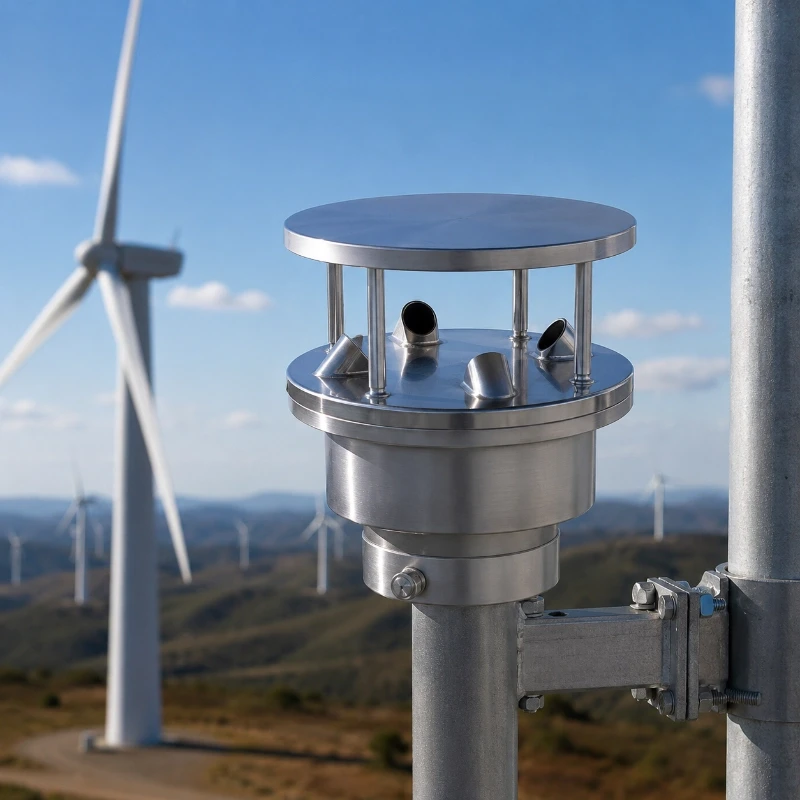
4. Onshore Wind Farms
The sensor can also be used at onshore wind farms requiring an ultrasonic alternative to conventional mechanical anemometers.
Its wide wind-speed range and multiple signal interfaces make it suitable for integration with wind monitoring and data acquisition systems.
5. Harsh Industrial Outdoor Sites
Industrial facilities in corrosive, cold, high-wind or remote environments may require continuous wind monitoring for environmental or operational applications.
The available analog and RS485 outputs allow the sensor to interface with different industrial data-acquisition architectures.
Offshore Wind Monitoring System Integration
The ultrasonic wind sensor can operate as an individual field instrument or as one component of a wider meteorological monitoring system.
A typical architecture may follow:
JW-ST50H(SW04) Ultrasonic Wind Sensor
↓
Weather / Environmental Sensors
↓
Data Logger, RTU or Industrial Controller
↓
Communication Device
↓
SCADA, Server or Monitoring Platform
Depending on the project requirements, wind data may be combined with other meteorological measurements for centralized monitoring.
Because the JW-ST50H(SW04) provides several output options, system integrators can select the interface according to the existing acquisition architecture instead of designing the complete monitoring system around a single proprietary interface.
RS485 or Analog Output: Which Should You Choose?
The correct output depends on the monitoring architecture.
RS485
RS485 is generally appropriate when the sensor needs to communicate with compatible:
Data loggers
RTUs
Industrial controllers
Automatic weather stations
Communication gateways
Centralized monitoring systems
Digital communication can simplify integration where the receiving device already supports the sensor interface.
4–20mA or Other Analog Outputs
An analog signal may be preferred when the existing PLC, controller or data acquisition unit uses analog input channels.
The available options include:
0–20mA
4–20mA
0–10V
2–10V
0–5V
Before selecting an output configuration, provide JW-IoT with the input specification of the receiving device.
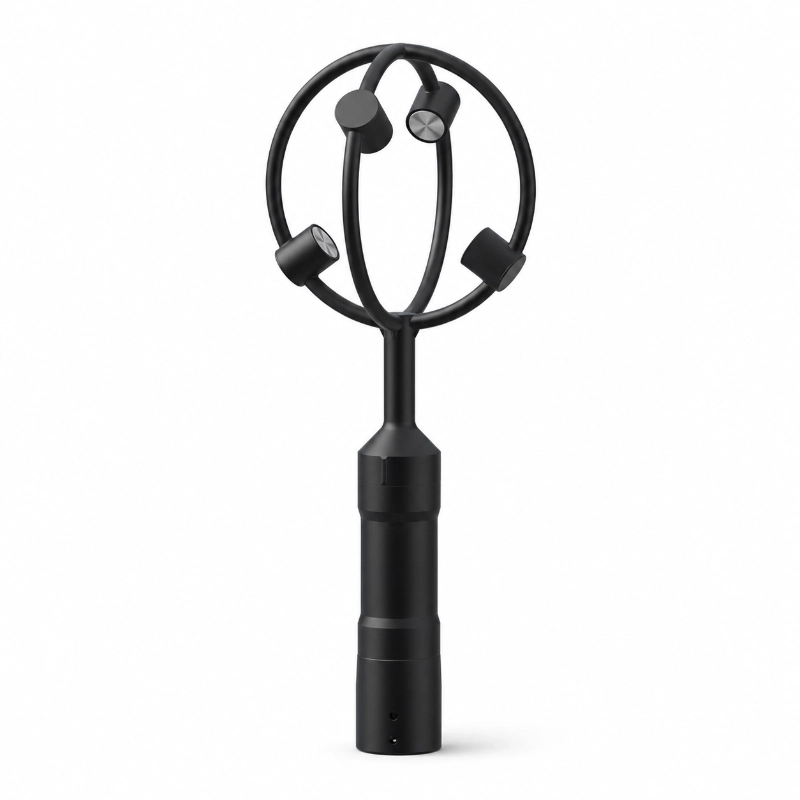
Ultrasonic vs Mechanical Wind Sensors
Both ultrasonic and mechanical sensors can be used for wind monitoring, but they use fundamentally different measurement structures.
Correct installation is essential for representative wind measurement.
1. Select an Open Measurement Position
Install the wind sensor where surrounding structures do not unnecessarily disturb airflow.
Potential sources of airflow interference include:
Buildings
Towers
Masts
Railings
Antennas
Solar panels
Large machinery
Platform structures
Exhaust outlets
The exact mounting location should be determined according to the monitoring objective and site structure.
2. Keep the Sensor Correctly Oriented
Wind direction measurement requires correct physical orientation of the sensor.
The installer should confirm the required reference direction during commissioning and verify that the sensor orientation corresponds with the monitoring system configuration.
3. Use a Structurally Suitable Mount
Offshore and exposed locations may experience high wind loading and vibration.
The mounting mast, support structure and fasteners should therefore be designed for the actual site conditions.
Sensor performance should not be evaluated independently from the mechanical stability of the complete installation.
4. Protect Electrical Connections
Although the sensor itself provides IP67 protection, the complete cable and connector system must also be properly protected.
Pay attention to:
Aviation connector installation
Cable routing
Junction boxes
Cable strain
Moisture ingress
Cable shielding
Grounding
Surge protection
This is especially important at offshore and coastal sites.
5. Consider Heating Power During System Design
Normal operating consumption and heating-mode consumption are significantly different.
If the heating function will be used, the system power supply must be selected according to the heating requirement.
For battery- or solar-powered monitoring stations, calculate the complete system energy requirement before finalizing the power configuration.
How to Select the Correct Configuration
Before requesting a quotation, determine the following information.
Wind Measurement
Expected maximum wind speed
Standard 0–50 m/s or optional 0–75 m/s range
Required wind-speed accuracy
Wind-direction requirement
Environmental Conditions
Installation location
Minimum temperature
Maximum temperature
Relative humidity
Salt exposure
Icing conditions
Altitude
Expected wind environment
Output Requirements
RS485 half duplex
RS485 full duplex
4–20mA
Other current output
Voltage output
Pulse output
Gray code
Power Supply
Available 24VDC supply
Heating required or not
Grid, battery or solar power source
Available power capacity
System Integration
Existing weather station
Data logger
PLC
RTU
SCADA platform
Communication gateway
Third-party monitoring system
Providing this information allows the wind sensor configuration to be matched to the actual monitoring system instead of selecting the product only from its measurement range.
Request an Offshore Ultrasonic Wind Sensor Configuration
Choosing an offshore wind sensor involves more than wind-speed range alone.
Material, corrosion protection, heating requirements, environmental temperature, electrical output and system integration should all be considered before selecting the final configuration.
Send JW-IoT your project requirements, including:
Application + installation environment + wind range + minimum temperature + icing conditions + output interface + power supply + monitoring system
and our team can help determine the appropriate JW-ST50H(SW04) configuration for your project.
Contact JW-IoT for technical specifications, project configuration and quotation.
FAQ
Q
1. What does this ultrasonic wind sensor measure?
A
This sensor measures wind speed and wind direction in real time. It is designed for accurate outdoor monitoring in demanding environments.
Q
2. What is the main benefit of an ultrasonic wind sensor?
A
The main benefit is that it has no moving parts, which means lower maintenance, better durability, and improved long term reliability compared with traditional mechanical wind sensors.
Q
3. Can JW-IoT provide this sensor for offshore wind projects?
A
Yes. JW-IoT can provide ultrasonic wind sensors for offshore wind power, coastal monitoring, and other harsh environment projects.
Q
4. Is this sensor suitable for cold and icy regions?
A
Yes. The integrated heating system helps the sensor operate reliably in severe cold and icing environments.
Q
5. What outputs are available?
A
The sensor supports multiple analog outputs such as 4 to 20mA and 0 to 10V, as well as RS485 digital output, making it suitable for many industrial systems.
Q
6. Can JW-IoT support system integration?
A
Yes. JW-IoT can support integration with weather stations, RTUs, data loggers, SCADA systems, and IoT monitoring platforms depending on project requirements.
Q
7. Why is 316 stainless steel important for this product?
A
316 stainless steel provides excellent resistance to corrosion, salt spray, and harsh weather, which is especially useful for offshore and coastal installations.
Q
8. Is this sensor only for wind turbines?
A
No. It can also be used in meteorology, environmental monitoring, industrial outdoor projects, and other applications where accurate wind data is required.
Q
9. Does JW-IoT offer customized wind monitoring solutions?
A
Yes. JW-IoT can provide customized wind monitoring solutions including sensor selection, communication configuration, and complete monitoring system support.
 +86 13520127780
  info@jingelway.com