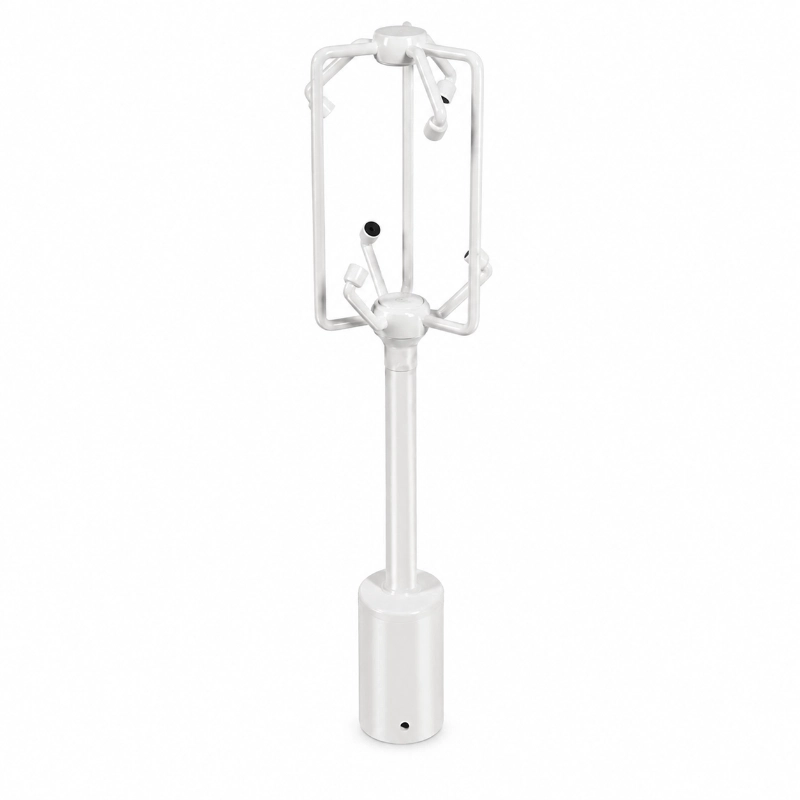
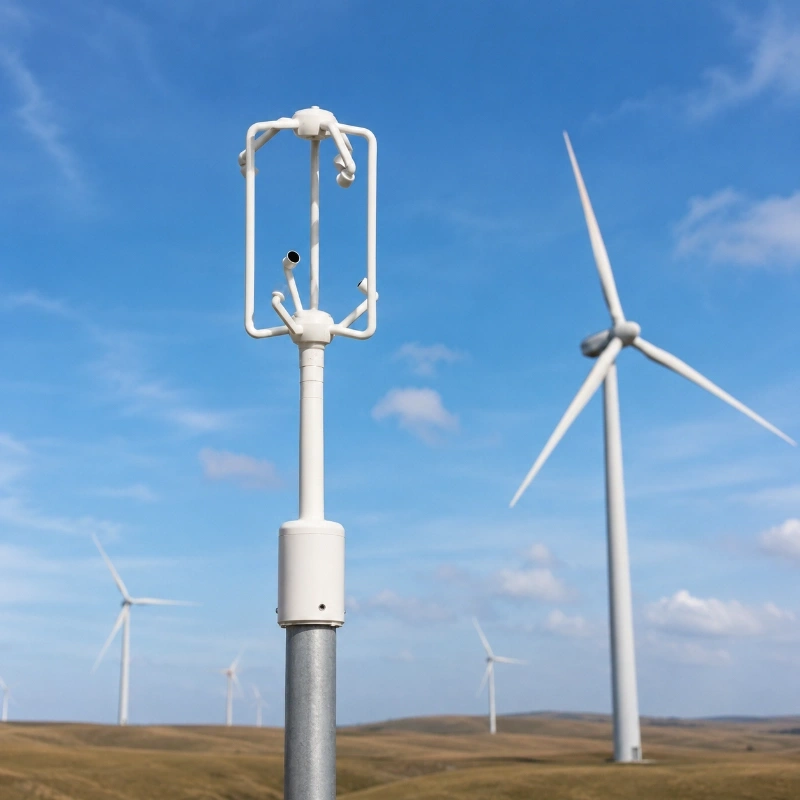
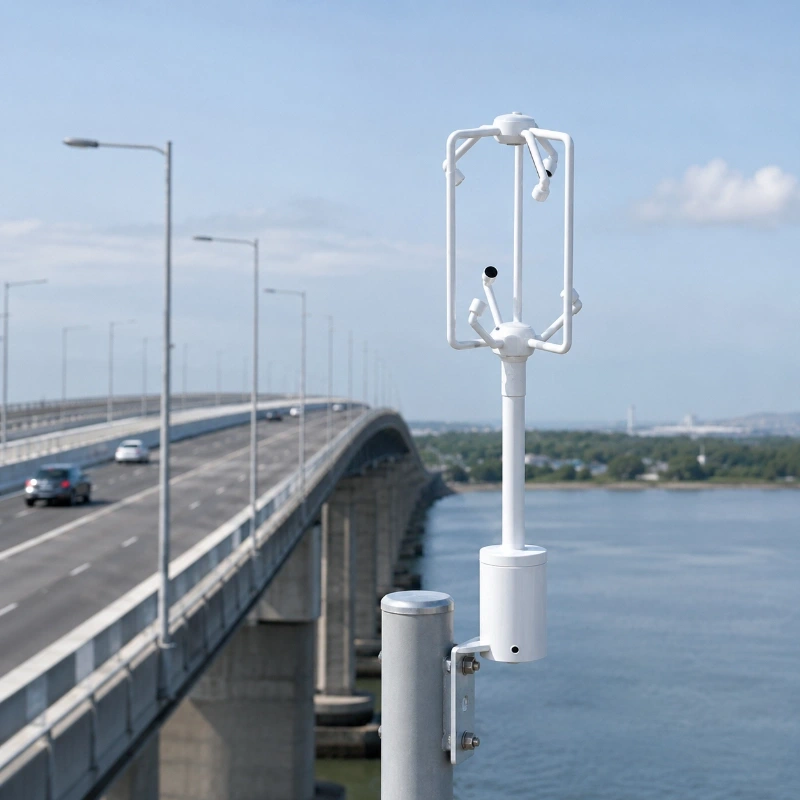
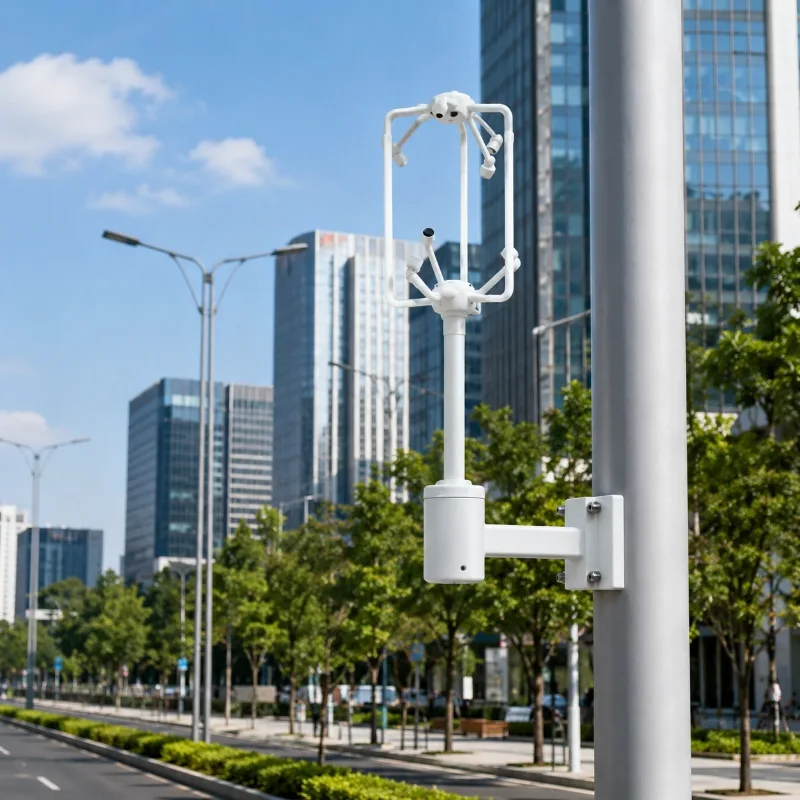
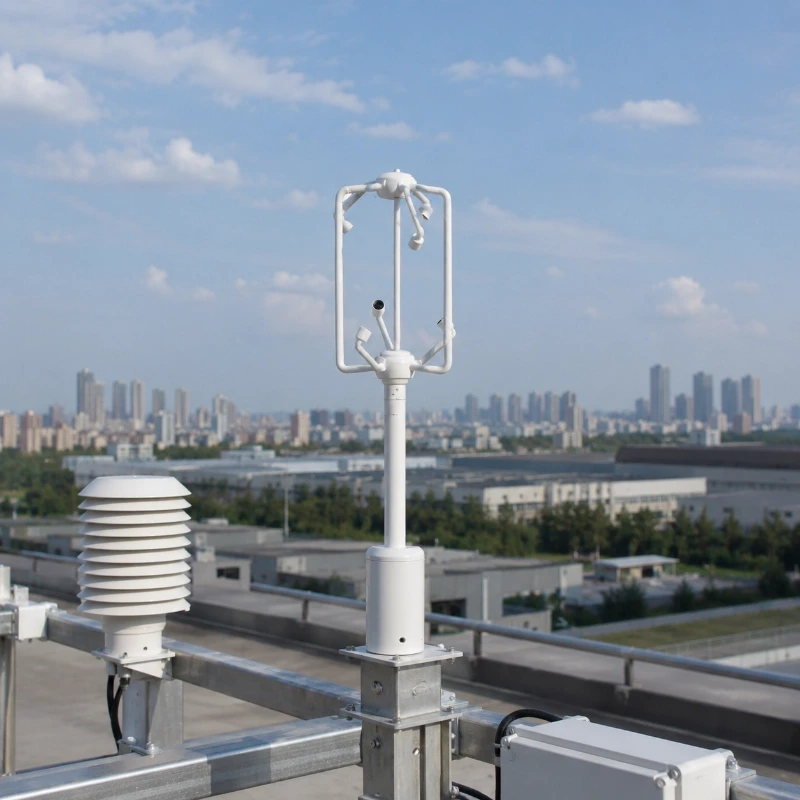
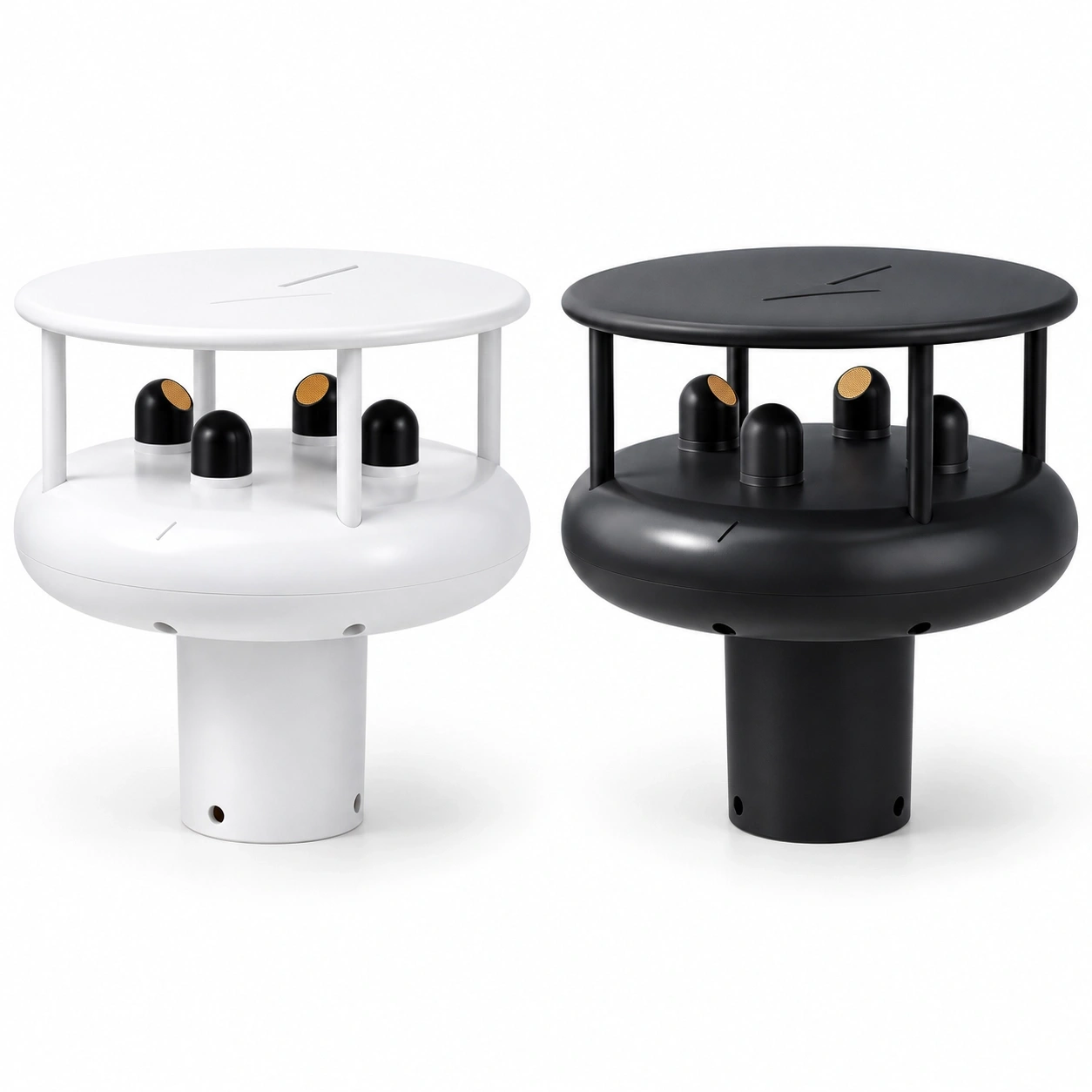
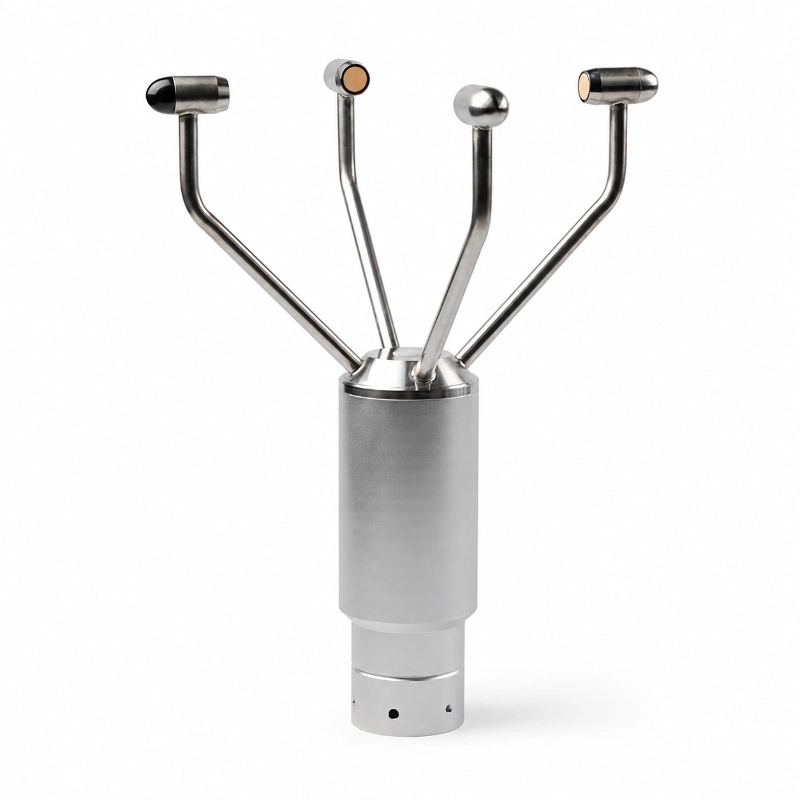
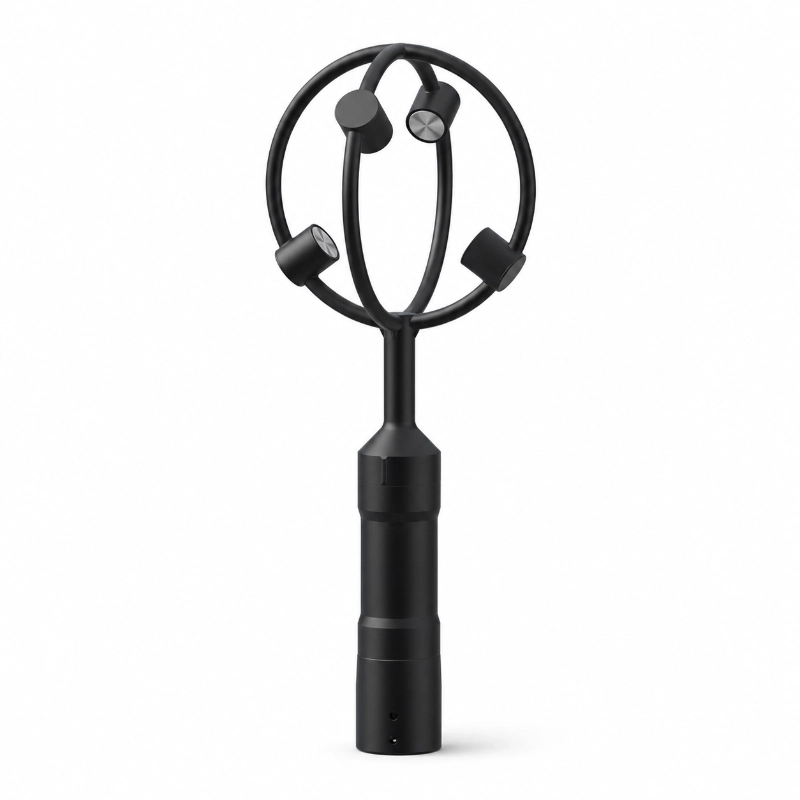
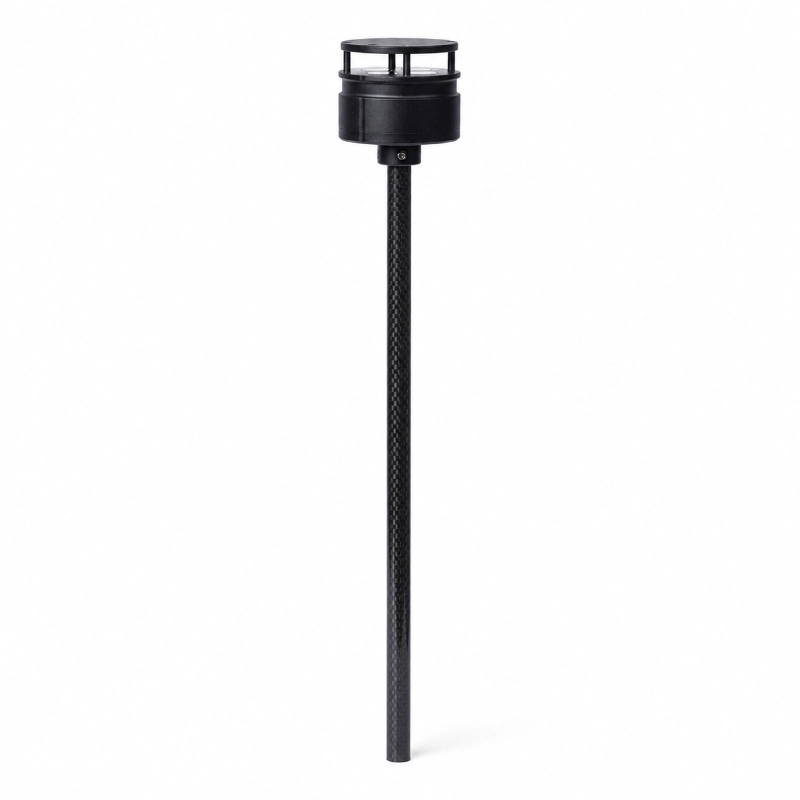
JW-3DW330(SW02)3D ultrasonic wind sensor is a high-precision wind monitoring device designed to measure multi-dimensional airflow in demanding outdoor environments. In 2D mode, it measures horizontal wind speed, vertical wind speed, wind direction, and wind temperature. In 3D mode, it can additionally measure U, V, and W wind speed components. With an aluminum alloy housing, IP67 protection, RS485 output, and 8 to 30VDC power supply, it is ideal for wind power, road and bridge monitoring, meteorological observation, and urban environmental monitoring.
Product Overview
JW-3DW330(SW02)3D ultrasonic wind sensor is developed for users who need stable and accurate wind data in professional monitoring projects. Compared with traditional mechanical wind sensors, this ultrasonic wind sensor has no moving parts, which helps reduce maintenance needs and improve long-term reliability.
Its compact and rugged structure makes it suitable for outdoor deployment in harsh environments. The sensor supports 2D and 3D wind measurement modes, allowing it to serve a wide range of industries, from wind farm monitoring to transportation infrastructure monitoring and smart city environmental observation.
With RS485 communication, the sensor can be easily integrated into weather stations, industrial monitoring systems, IoT gateways, SCADA systems, and remote data platforms.
Main Benefits
Accurate Wind Measurement in Multiple Dimensions
JW-3DW330(SW02) can capture more complete wind information than conventional wind sensors. This makes it especially useful in professional applications where airflow direction and vertical movement matter.
Maintenance Friendly Design
Because the sensor uses ultrasonic measurement instead of rotating cups or vanes, there are no mechanical moving parts to wear out. This helps reduce maintenance frequency and lifetime operating costs.
Reliable for Harsh Outdoor Conditions
With IP67 protection, corrosion resistance, and a durable aluminum housing, the sensor is suitable for long-term field deployment in wind farms, bridge structures, roadsides, and environmental monitoring sites.
Easy Integration into Monitoring Systems
The RS485 interface makes this ultrasonic wind sensor easy to connect with data loggers, PLCs, RTUs, weather stations, and cloud-based monitoring platforms.
Technical Specifications
General Specifications
Item
Specification
Model
SW330
Product Type
3D Ultrasonic Wind Sensor
Dimensions
534.7 mm × 117.5 mm
Weight
1.5 kg
Housing Material
Aluminum
Working Temperature
-40 to +85°C or -55 to +85°C
Power Supply
8 to 30VDC
Power Consumption
12VDC max 0.14VA
Electrical Connection
4 pin connector
Protection Grade
IP67
Corrosion Resistance
C5 M
Surge Protection
Level 4
Baud Rate
1200 to 57600
Digital Output
RS485 half duplex or full duplex
Wind Measurement Specifications
Parameter
Range
Accuracy
Resolution
Horizontal Wind Speed
0 to 50 m/s
0.2 m/s at 0 to 10 m/s and ±2% above 10 m/s
0.1 m/s
Vertical Wind Speed
-30 to 30 m/s
±0.5 m/s at 0 to 10 m/s and ±3% above 10 m/s
0.1 m/s
Wind Direction
0 to 360°
±2°
0.1°
Wind Temperature
-55 to +85°C
±0.5°C
0.1°C
Test and Compliance Reference
Test Item
Reference Standard
Electrostatic Discharge Test
GB/T 17626.2-2006
Surge Immunity Test
GB/T 17626.5-2008
Fast Transient Pulse Group Test
GB/T 17626.4-2008
Conducted Interference Test
GB/T 17626.6-2008
IP Protection Test
GB 4208-2008
Drop Test
1.5 m height 1 corner 3 edges 6 faces
Wind Tunnel Test
JJG 0001-1992
Vibration Test
GB 5170.14-85
High Low Temperature Storage Test
GB/T 2423.2-2008 and GB/T 2423.1-2008
High Low Temperature Operation Test
GB/T 2423.2-2008 and GB/T 2423.1-2008
Salt Spray Test
ISO 6270-1:1998 ISO 7253:2001 ISO 12944-6:1998
Output and Communication
JW-3DW330(SW02) uses RS485 output, which is widely adopted in industrial monitoring and meteorological systems. It supports integration with:
Weather monitoring stations
Data loggers
IoT gateways
RTU and PLC systems
SCADA platforms
Wind farm monitoring systems
Bridge and road monitoring systems
Smart city environmental monitoring platforms
RS485 communication is ideal for long-distance transmission, strong anti-interference performance, and stable multi-device networking.rking.
Typical Applications
Wind Power Monitoring: The sensor is suitable for wind turbine and wind farm applications, where accurate wind measurement is essential for operational analysis and safety monitoring.
Road and Bridge Monitoring: It can be installed on roads, bridges, and transportation corridors to monitor wind conditions that may affect traffic safety and structural operation.
Meteorological Monitoring: The SW330 is suitable for weather stations and professional environmental monitoring systems that need stable real-time wind data.
Urban Environmental Monitoring: In smart city and environmental projects, the sensor can support urban microclimate monitoring and help improve environmental data collection.
What Is a 3D Ultrasonic Wind Sensor?
A 3D ultrasonic wind sensor is a device that measures wind by sending and receiving ultrasonic signals between transducers. By calculating the travel time difference of ultrasonic waves, the sensor can determine wind speed and direction.
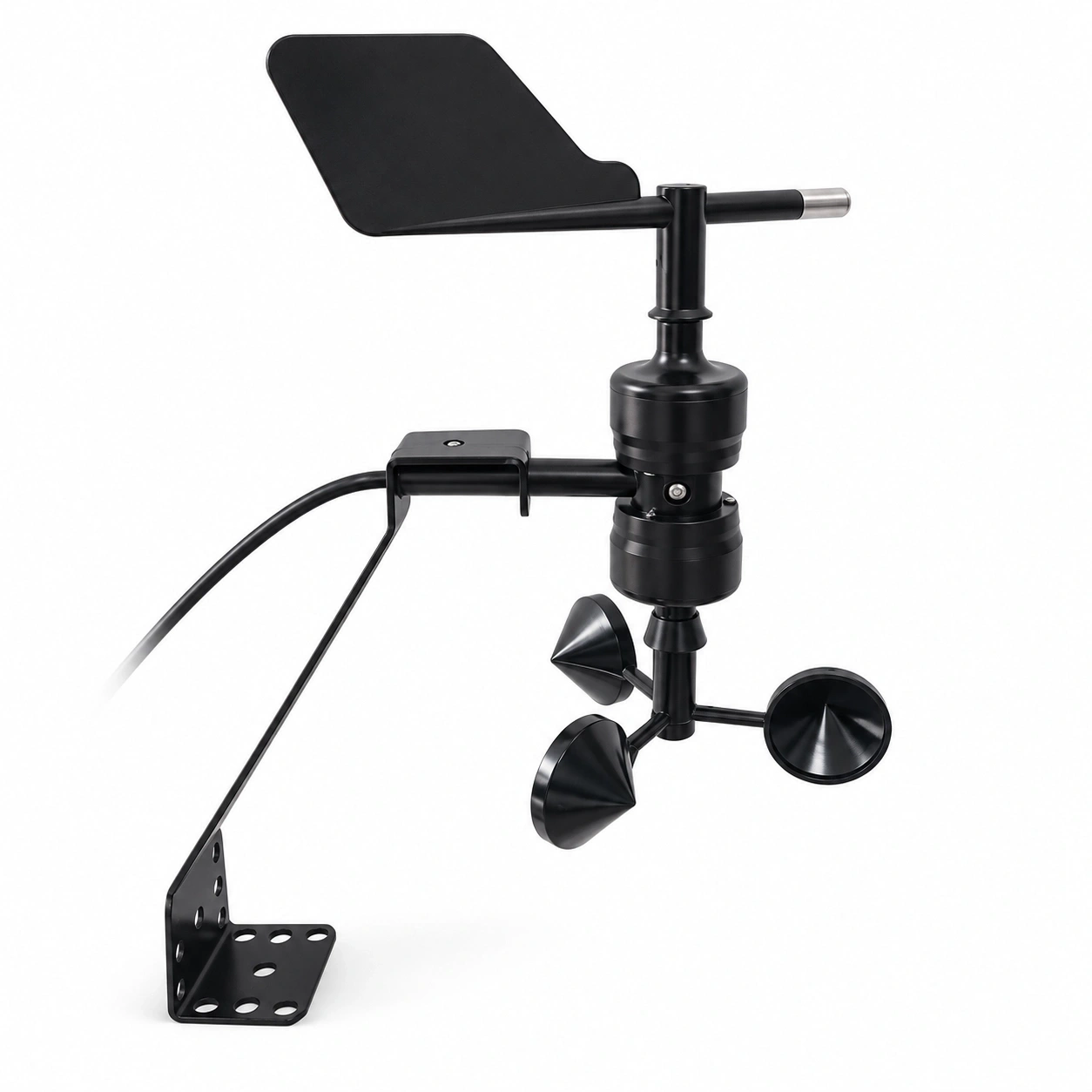
Unlike traditional cup anemometers and wind vanes, ultrasonic wind sensors do not rely on moving mechanical parts. This improves durability, reduces maintenance, and allows more detailed airflow analysis.
What Is the Difference Between 2D and 3D Wind Measurement?
In 2D mode, the sensor mainly measures wind behavior in standard monitoring applications, including:
Horizontal wind speed
Vertical wind speed
Wind direction
Wind temperature
In 3D mode, the sensor can also measure the U V W wind components, which helps users analyze wind movement in three-dimensional space. This is especially useful in advanced research, wind energy, turbulence monitoring, and complex airflow analysis.
Why Vertical Wind Speed Matters?
Many basic wind sensors focus only on horizontal wind speed and direction. However, in some projects, vertical airflow is also important. Vertical wind speed data can help users better understand:
Airflow turbulence
Wind behavior near structures
Wind conditions around bridges
Wind characteristics in wind energy systems
Atmospheric movement in environmental studies
This is one reason why 3D ultrasonic wind sensors are preferred in high-value industrial and scientific applications.
Ultrasonic Wind Sensor vs Mechanical Wind Sensor
Comparison Item
Ultrasonic Wind Sensor
Mechanical Wind Sensor
Sensing Method
Ultrasonic
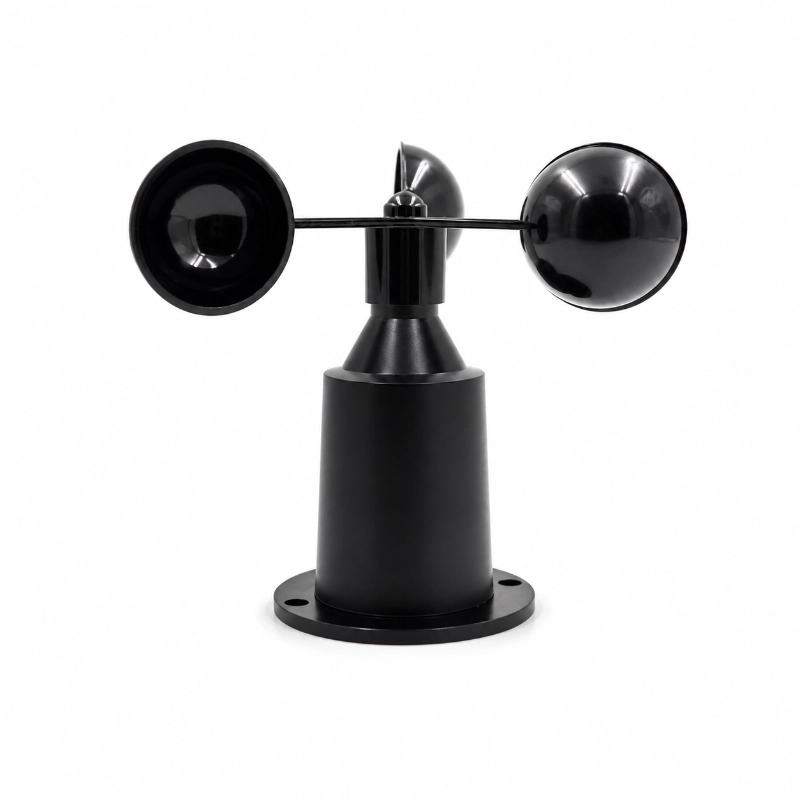
Rotating cups and vane
Moving Parts
No
Yes
Maintenance
Low
Higher
Response Speed
Fast
Moderate
Reliability in Harsh Environments
High
May wear over time
Multi Dimensional Measurement
Yes
Usually limited
Best Use Cases
Wind energy industrial monitoring research
Basic wind monitoring
How to Choose the Right Ultrasonic Wind Sensor?
When choosing a wind sensor, users should evaluate:
Whether 2D or 3D wind data is required
Required wind speed range and accuracy
Communication method such as RS485
Protection level for outdoor installation
Corrosion resistance for coastal or industrial environments
Compatibility with existing monitoring platforms
If a project involves wind farms, bridge monitoring, research systems, or smart city weather networks, a 3D ultrasonic wind sensor is often the better choice.
Installation Suggestions
To achieve more reliable wind measurement results:
Install the sensor in an open area with minimal airflow obstruction
Avoid placing it too close to large buildings or structures
Ensure stable mounting to reduce vibration effects
Follow proper grounding and cable shielding practices
Use suitable poles or brackets for long-term outdoor deployment
Integrate the RS485 interface with a compatible data acquisition system
FAQ
Q
1. WWhat does this 3D ultrasonic wind sensor measure?
A
This sensor measures horizontal wind speed, vertical wind speed, wind direction, and wind temperature in 2D mode. In 3D mode, it can additionally measure U V W wind speed components.
Q
2. What is the difference between 2D mode and 3D mode?
A
In 2D mode, the sensor provides standard wind monitoring data. In 3D mode, it adds three-axis wind component measurement, which is useful for advanced airflow analysis, turbulence monitoring, and professional applications.
Q
3. Can JW-IoT provide this ultrasonic wind sensor for industrial projects?
A
Yes. JW-IoT can supply this ultrasonic wind sensor for wind power, bridge monitoring, road weather monitoring, environmental monitoring, and meteorological system integration projects.
Q
4. Is this sensor suitable for wind power applications?
A
Yes. It is suitable for wind power monitoring because it provides stable multi-dimensional wind data and performs well in demanding outdoor environments.
Q
5. Can JW-IoT support RS485 integration with gateways and platforms?
A
Yes. JW-IoT can help integrate the RS485 wind sensor with data loggers, IoT gateways, PLCs, RTUs, and cloud-based monitoring platforms.
Q
6. Does this ultrasonic wind sensor have moving parts?
A
No. The sensor uses ultrasonic measurement technology and has no moving mechanical parts, which helps reduce wear and maintenance.
Q
7. What protection level does the sensor have?
A
The sensor has an IP67 protection rating, making it suitable for long-term outdoor use in harsh environments.
Q
8. Can JW-IoT offer OEM or customized solutions?
A
Yes. JW-IoT can support OEM, system integration, and customized monitoring solutions according to specific project requirements.
Q
9. Where can this sensor be used?
A
It is widely used in wind power, roads, bridges, meteorological monitoring, and urban environmental monitoring.
 +86 13520127780
  info@jingelway.com