 +86 13520127780
 info@jingelway.com









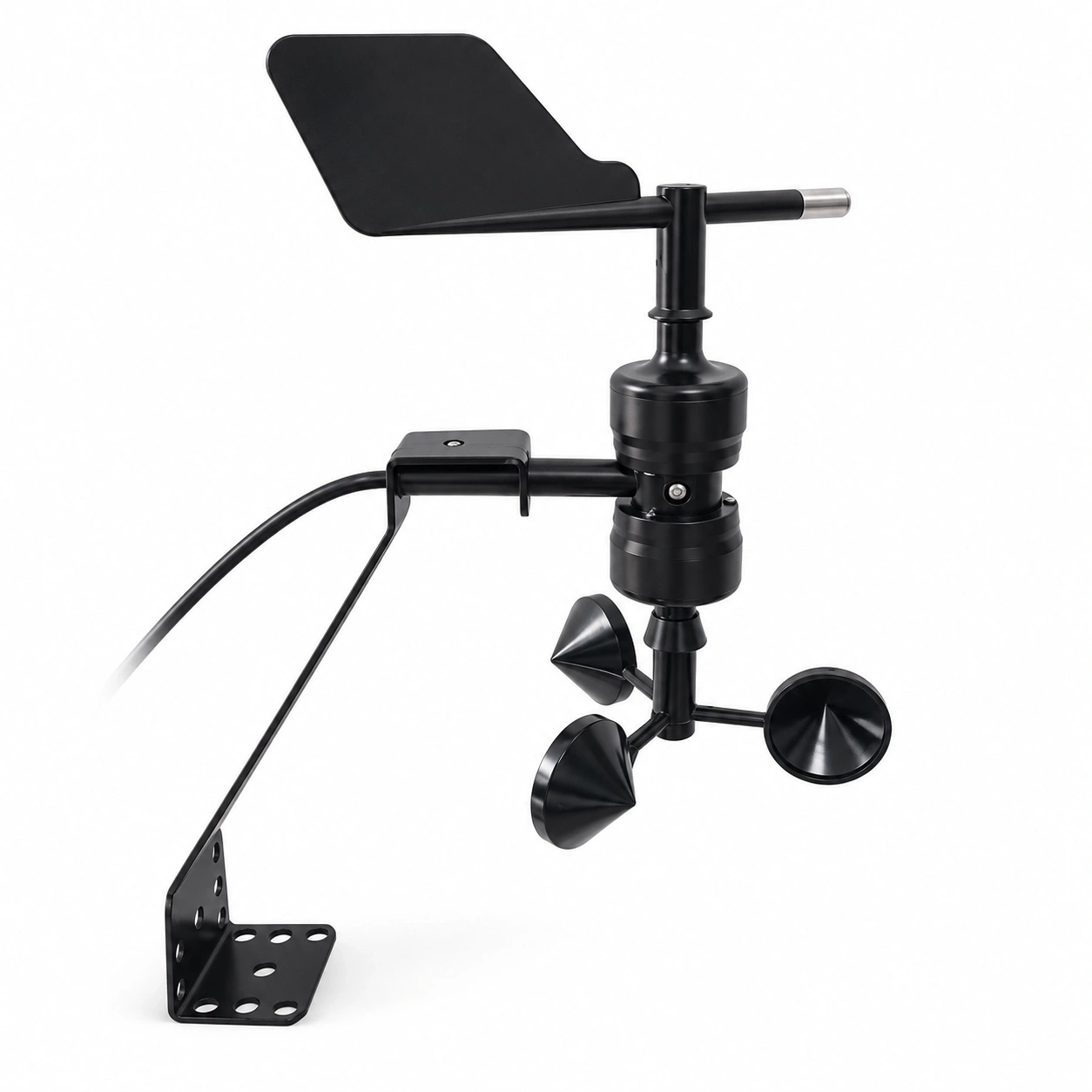
- Integrated wind speed and direction sensor
- Three-cup mechanical anemometer
- Low-inertia wind vane
- Wind speed and horizontal wind direction measurement in one assembly
- Wind speed range up to 70 m/s, depending on output type
- Wind direction measurement: 0–359°
- Wind speed resolution: 0.1 m/s
- Wind direction resolution: 1°
- Starting wind speed: ≤0.5 m/s
- RS485 Modbus or ASCII output
- RS232 Modbus or ASCII output
- 4–20mA and 0–20mA outputs
- 0–2.5V, 0–5V and 1–5V outputs
- Wind speed pulse output
- DC 5V or DC 9–30V configurations
- IP64 protection
- Operating temperature: –35°C to +60°C
Integrated Cup Anemometer Wind Speed and Direction Sensor
Product Description
The JW-FSFX-S Integrated Wind Speed and Direction Sensor combines a cup anemometer and wind vane in one mechanical wind measurement device for measuring wind speed and horizontal wind direction.
Designed for applications including automatic weather stations, meteorological monitoring, environmental monitoring, ports, airports, agriculture, industrial sites and transportation, the sensor offers multiple output options including RS485, RS232, 4–20mA, 0–20mA, voltage and wind-speed pulse output.
The wind speed section uses a traditional three-cup anemometer, while the wind direction section uses a low-inertia wind vane and precision angle sensor.
Depending on the selected output type, the wind speed measurement range is:
- 0–45 m/s for current and voltage output versions
- 0–70 m/s for pulse, RS485 and RS232 versions
The wind direction measurement range is 0–359°.
For more wind measurement technologies and configurations, explore the JW-IoT Wind Sensors range. JW-IoT currently offers mechanical and ultrasonic wind sensing products for meteorology, agriculture, transportation and industrial monitoring.
What Is a Cup Anemometer?
An anemometer is an instrument used to measure wind speed.
Among different wind speed measuring devices, a cup anemometer uses rotating cups that respond to moving air.
The JW-FSFX-S uses a traditional three-cup structure.
The wind cups are manufactured from imported ABS material. When wind moves across the sensor, the cups rotate. The internal signal-processing unit converts this movement into an electrical output.
Depending on the selected version, wind speed information can be transmitted through:
- RS485
- RS232
- Current signal
- Voltage signal
- Pulse signal
This makes the JW-FSFX-S suitable as a wind speed sensor for integration into different monitoring architectures.
For applications requiring another measurement principle, see the wider JW-IoT Wind Sensor category.
How Does the Wind Speed Sensor Work?
The cup anemometer section responds continuously to moving air.
As wind speed changes, the cups rotate accordingly. The internal sensing and signal-processing components convert this motion into the corresponding electrical output.
For current and voltage output versions, the specified wind speed range is:
0–45 m/s
For pulse, RS485 and RS232 versions, the specified wind speed range is:
0–70 m/s
Wind speed resolution:
0.1 m/s
Starting wind speed:
≤0.5 m/s
This allows the JW-FSFX-S to function as a fixed wind speed measuring device for meteorological, environmental and industrial monitoring systems.
What Does the Wind Vane Measure?
A wind vane measures horizontal wind direction.
The wind direction section of the JW-FSFX-S uses a low-inertia wind vane together with a precision angle sensor.
As airflow changes direction, the wind vane rotates the shaft. The corresponding magnetic position changes are detected by the angle sensor and converted into an electrical output.
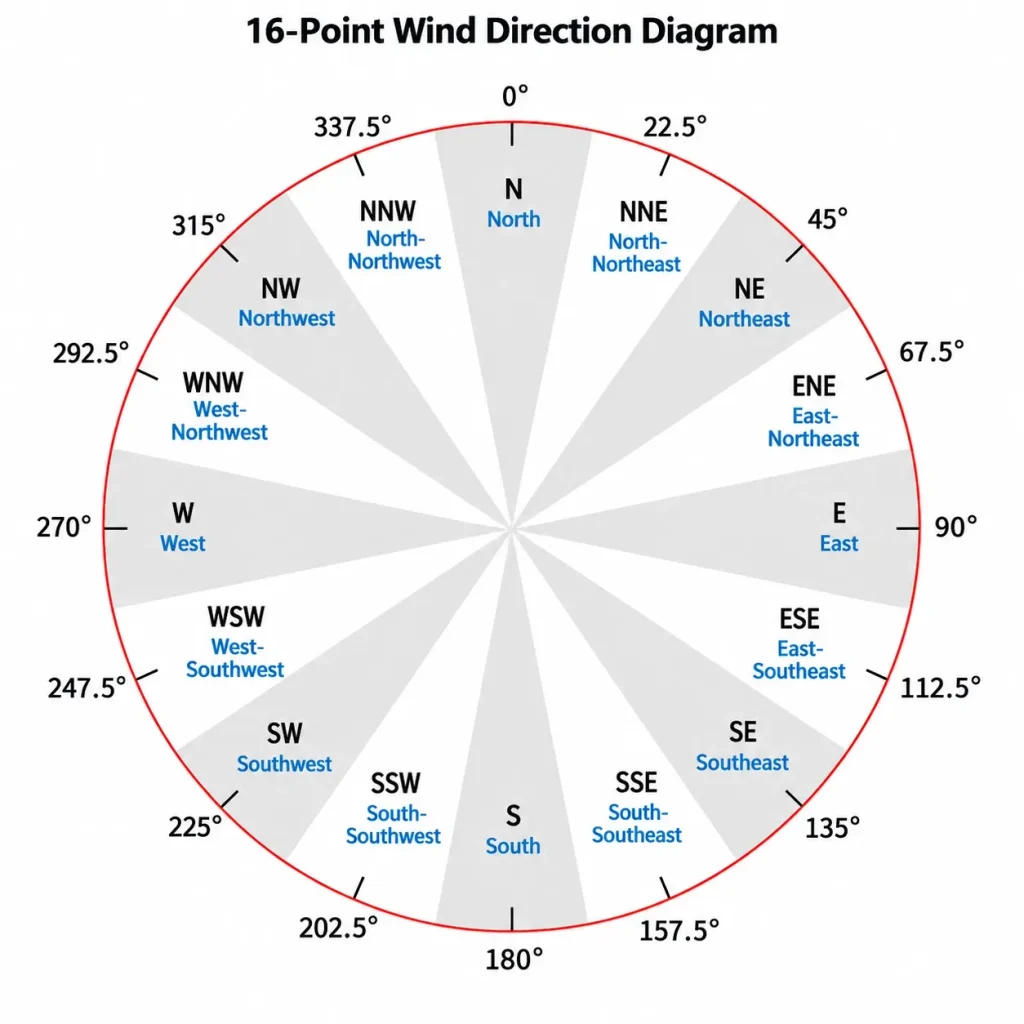
The wind direction measurement range is:
0–359°
Wind direction accuracy:
±3°
Wind direction resolution:
1°
By combining the wind vane and cup anemometer in one structure, the JW-FSFX-S functions as both a wind direction sensor and a wind speed sensor.
Cup Anemometer and Wind Vane in One Sensor
Many weather and environmental monitoring applications require two fundamental wind parameters:
- Wind speed
- Wind direction
The cup anemometer measures wind speed, while the wind vane measures wind direction.
Combining these two structures creates a wind vane anemometer capable of providing both measurements from one sensor assembly.
For complete weather monitoring systems that combine wind data with additional meteorological parameters, visit the JW-IoT Weather Station category. JW-IoT weather stations support environmental monitoring applications including agriculture, meteorology, solar energy, water resources and smart-city projects.
Technical Specifications
| Parameter | Specification |
| Model | JW-FSFX-S |
| Product Type | Integrated wind speed and direction sensor |
| Wind Speed Sensor | Three-cup anemometer |
| Wind Direction Sensor | Low-inertia wind vane |
| Wind Speed Range – Current/Voltage | 0–45 m/s |
| Wind Speed Range – Pulse/RS485/RS232 | 0–70 m/s |
| Wind Direction Range | 0–359° |
| Wind Speed Accuracy | ±(0.3 + 0.03V) m/s |
| Wind Direction Accuracy | ±3° |
| Wind Speed Resolution | 0.1 m/s |
| Wind Direction Resolution | 1° |
| Starting Wind Speed | ≤0.5 m/s |
| Power Supply | DC 5V or DC 9–30V |
| Maximum Power Consumption | 0.9W |
| Protection Rating | IP64 |
| Operating Temperature | –35°C to +60°C |
| Operating Humidity | ≤100% RH, non-condensing |
| Standard Cable Length | 2.5m |
| Product Net Weight | 680g |
| Packaged Weight | 1280g including package and sensor cable |
| Cable Rating | 300V, 80°C |
Note: In the wind speed accuracy formula, V represents the real-time wind speed value.
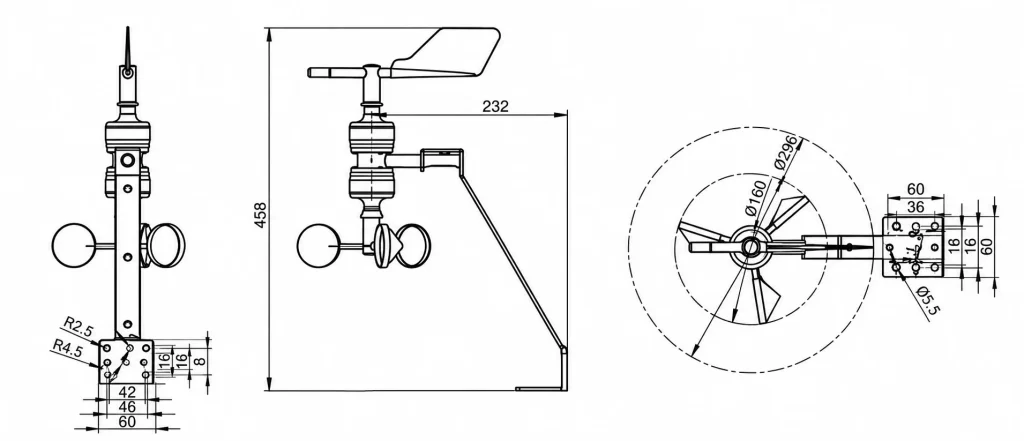
Multiple Output Options for System Integration
One of the main characteristics of the JW-FSFX-S is the availability of several electrical output configurations.
This allows the same mechanical wind sensor to connect with different data acquisition devices, controllers and monitoring systems.
RS485 Wind Sensor
The RS485 version supports:
- RS485 Modbus
- RS485 ASCII
For projects using PLCs, programmable acquisition devices or multiple compatible sensors, Modbus-RTU can be selected.
RS485 is widely used in sensor-based monitoring systems because it allows digital data to be transferred to compatible controllers or communication equipment.
For projects requiring remote transmission beyond the sensor interface, see JW-IoT Communication Devices, which currently include RS485-connected DTUs, gateways and other communication products.
RS232 Output
RS232 versions are also available with:
- Modbus
- ASCII
This provides another serial communication option for compatible monitoring equipment and computer-based data acquisition.
4–20mA Wind Sensor Output
The JW-FSFX-S can be selected with:
- 4–20mA
- 0–20mA
For current-output versions:
At DC 12V supply:
Load resistance ≤350Ω
At DC 24V supply:
Load resistance ≤900Ω
Current output can therefore be selected when the receiving equipment is designed for industrial analog inputs.
Voltage Output
Available voltage versions include:
- 0–2.5V
- 0–5V
- 1–5V
The specified output impedance is:
≥1kΩ
Wind Speed Pulse Output
A pulse output version is available for wind speed measurement.
Specified pulse signal:
- High level: 5V
- Low level: 0V
- NPNR output as default
- PNP optional
The pulse-output version supports a wind speed range of:
0–70 m/s
Signal Conversion
For applications using analog or pulse signals, the measured wind value can be calculated from the corresponding electrical output.
Let:
- F = wind speed or wind direction value
- M = number of pulses counted within one second
- I = output current in mA
- V = output voltage
- A = measurement span
- B = lower measurement limit
For a wind speed range of 0–70 m/s:
A = 70, B = 0
For a wind direction range of 0–359°:
A = 359, B = 0
Wind Speed Pulse
F = 0.5 + 0.101 × M
4–20mA
F = (I – 4) / 16 × A + B
0–20mA
F = I / 20 × A + B
0–2.5V
F = V / 2.5 × A + B
0–5V
F = V / 5 × A + B
1–5V
F = (V – 1) / 4 × A + B
RS485 Modbus Communication
For serial-output versions, communication can be selected according to the receiving equipment.
Single Sensor Connected to a Computer
When one sensor is connected directly to a computer and simple data display is required, the ASCII communication option can be selected.
Multiple Sensors or PLC Integration
For applications involving multiple sensors, PLCs or programmable data acquisition equipment, Modbus-RTU can be used.
Unless otherwise specified, the original communication configuration is:
- Device address: 1
- Baud rate: 9600
- Protocol: Modbus-RTU
The final communication configuration should be confirmed according to the selected product version.
For projects that need to send RS485 sensor data to remote platforms, compatible communication equipment can be found in the JW-IoT Communication Devices section.
JW-FSFX-S Model Selection
Different power supplies and outputs can be selected according to the monitoring system.
Power Supply
| Code | Power Supply |
| 5V | DC 5V |
| KV | DC 9–30V |
Output Signal
| Code | Output |
| V | 0–5V |
| V1 | 1–5V |
| V2 | 0–2.5V |
| A1 | 4–20mA |
| A2 | 0–20mA |
| W1 | RS232, Modbus default, ASCII optional |
| W2 | RS485, Modbus default, ASCII optional |
| M | Wind speed pulse, NPNR default, PNP optional |
Selection Example
JW-FSFX-S-5V-W2
represents:
- JW-FSFX-S integrated wind speed and direction sensor
- DC 5V power supply
- RS485 signal output
Before ordering, confirm the power supply and signal interface required by the receiving equipment.
Installation Options
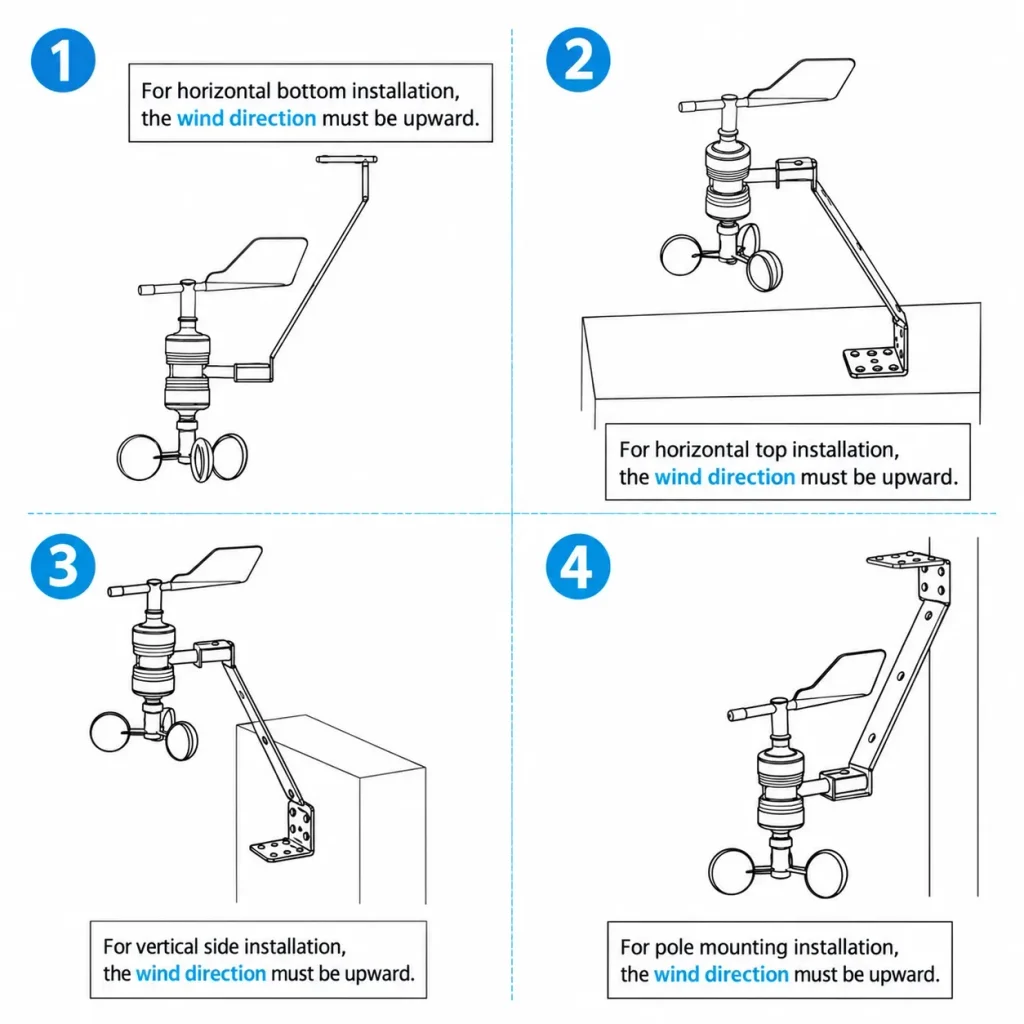
The JW-FSFX-S can be installed using the mounting arrangement appropriate to the project structure.
When installing the sensor, the wind-direction assembly must remain correctly oriented.
Depending on the mounting structure, possible arrangements include:
- Horizontal bottom installation
- Horizontal top installation
- Vertical side installation
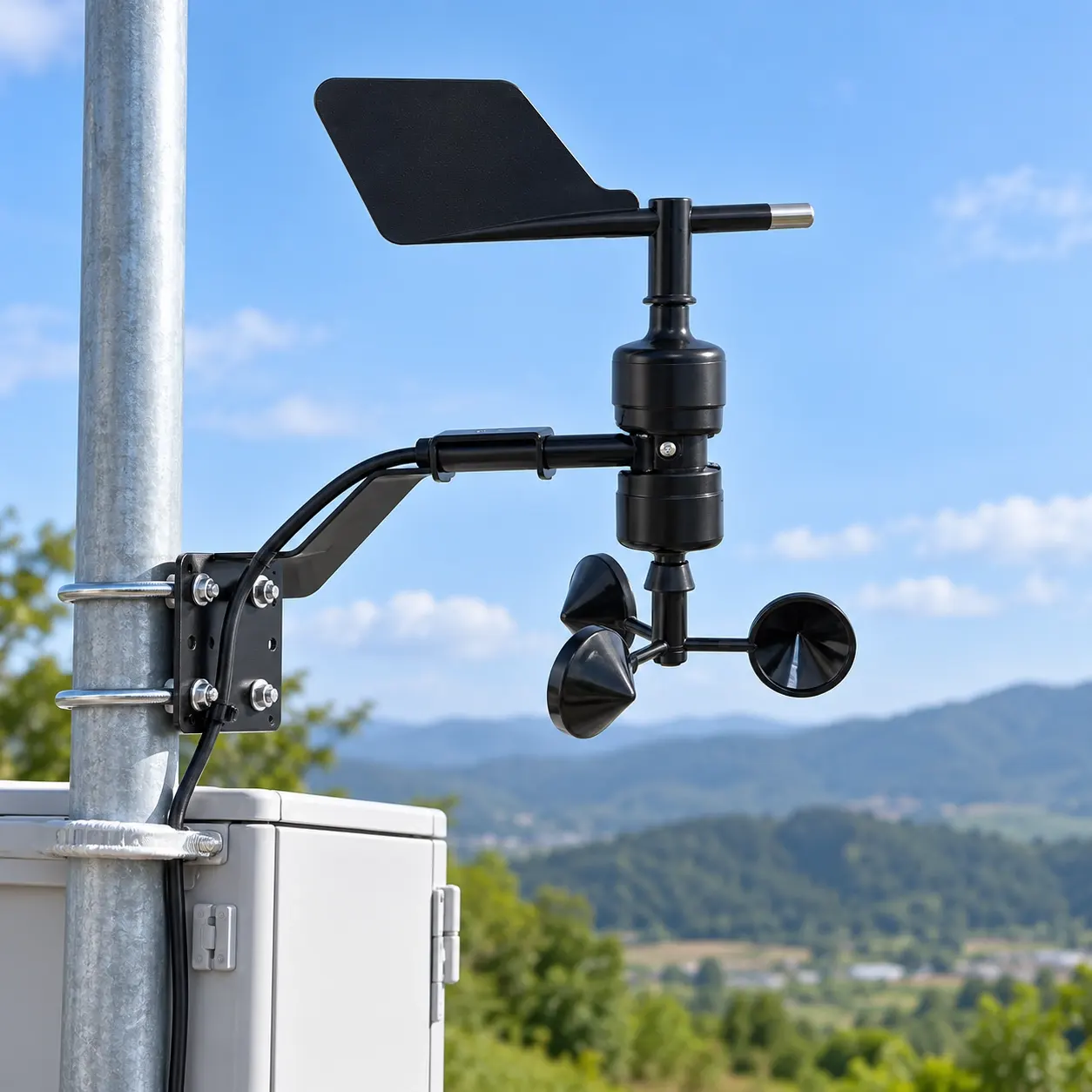
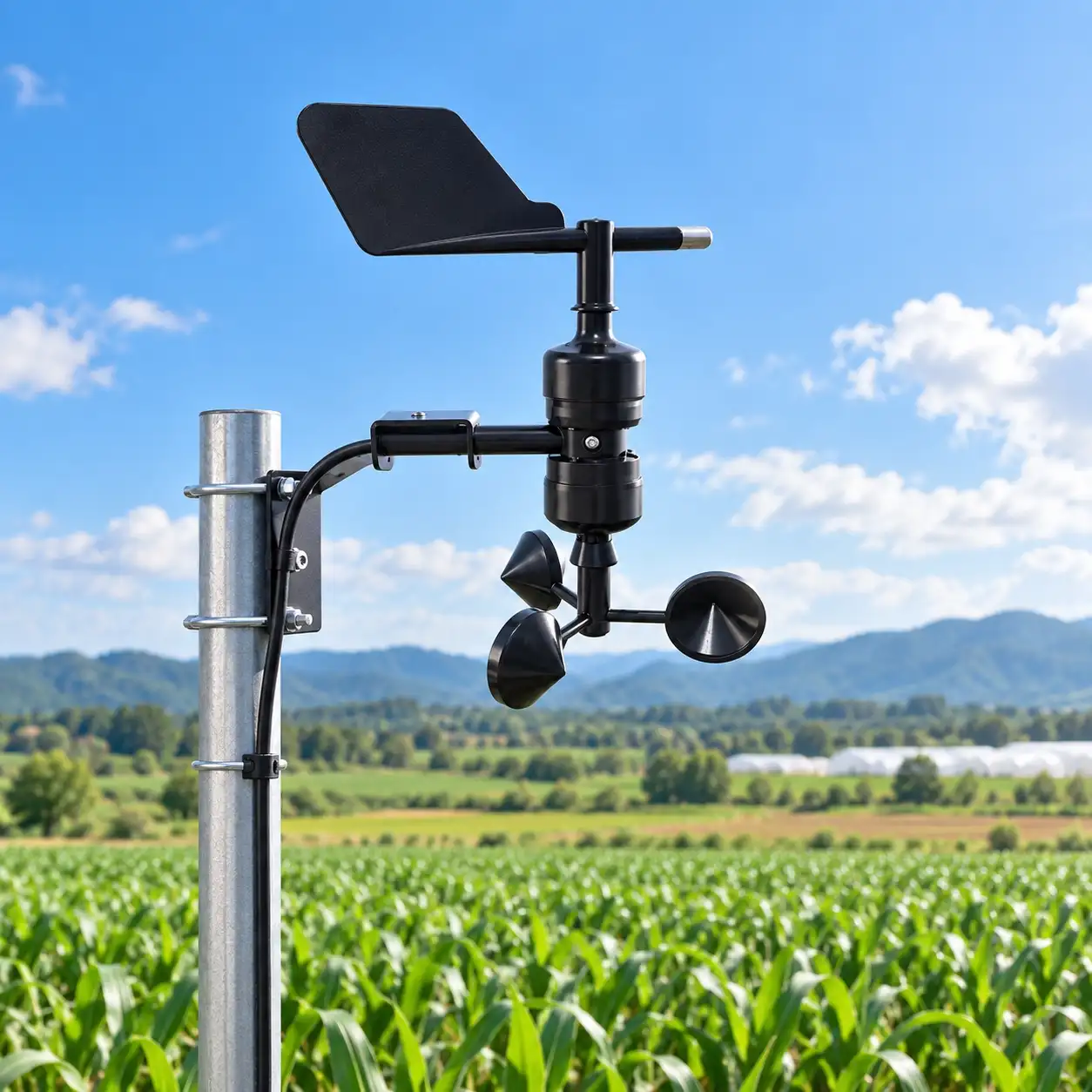
- Pole-mounted installation
The mounting bracket should be fixed securely before the sensor is connected to the data acquisition system.
Applications
Automatic Weather Station
An automatic weather station can collect multiple meteorological parameters through connected sensors.
The JW-FSFX-S can provide:
- Wind speed
- Wind direction
These measurements can complement other meteorological sensors in a weather monitoring system.
See the JW-IoT Automatic Weather Station category for complete system options.
Meteorological Monitoring
The integrated cup anemometer and wind vane structure can be used for fixed meteorological wind measurement where both wind speed and horizontal wind direction are required.
For broader meteorological monitoring projects, visit the JW-IoT Weather Monitoring Station solution.
Environmental Monitoring
Environmental monitoring systems often combine multiple types of sensing equipment.
The JW-FSFX-S can provide wind information together with other environmental parameters collected by the monitoring system.
Browse the wider JW-IoT Product Center for environmental, weather, water, soil and communication equipment.
Agricultural Monitoring
Wind information can form part of agricultural environmental monitoring installations.
The JW-FSFX-S can be connected to compatible acquisition equipment as the wind speed and direction sensing component.
For larger agricultural monitoring projects, JW-IoT also provides weather monitoring equipment through its Weather Station product range.
Marine and Port Monitoring
The original product application scope includes marine and port environments where wind speed and direction measurements are required as part of environmental observation.
For projects requiring alternative wind measurement technologies, compare available products in the JW-IoT Wind Sensors category.
Airport Monitoring
The JW-FSFX-S can be used as a wind measurement component in airport-related environmental monitoring applications where wind speed and horizontal wind direction data are required.
Industrial Monitoring
The multiple analog and digital signal options allow the sensor to connect to compatible industrial data acquisition equipment.
Available interfaces include:
- RS485
- RS232
- 4–20mA
- 0–20mA
- Voltage signals
- Wind-speed pulse output
For broader sensor, communication and integration requirements, browse the JW-IoT IoT Monitoring Solutions.
Transportation Applications
The JW-FSFX-S can also be used in transportation-related environmental monitoring installations requiring wind speed and wind direction data.
Laboratory Applications
Multiple electrical output formats allow the sensor to be integrated into laboratory measurement systems using compatible acquisition equipment.
RS485 vs 4–20mA: Which Output Should You Choose?
The appropriate output depends mainly on the equipment receiving the sensor data.
Choose RS485 when:
- The acquisition device supports RS485
- Modbus communication is required
- A PLC is used
- Several compatible devices need to communicate digitally
- A programmable acquisition system is used
Choose 4–20mA when:
- The receiving equipment accepts industrial current inputs
- An analog current signal is required
Choose Voltage Output when:
The receiving device accepts:
- 0–2.5V
- 0–5V
- 1–5V
Choose Pulse Output when:
A pulse signal is required specifically for wind speed.
Because the wind-speed range differs between analog and digital/pulse versions, the interface should be confirmed before ordering.
Mechanical Cup Anemometer or Ultrasonic Wind Sensor?
The JW-FSFX-S is a mechanical cup anemometer and wind vane sensor.
JW-IoT also provides ultrasonic wind sensors that use a different wind measurement principle.
The appropriate technology should be selected according to the application, required measurement method and system architecture.
You can compare available technologies in the JW-IoT Wind Sensors category, which includes mechanical and ultrasonic wind measurement products.
Select the Right JW-FSFX-S Configuration
Before requesting a quotation, confirm:
- Required wind speed range
- Required power supply
- RS485, RS232, 4–20mA, voltage or pulse output
- Modbus or ASCII requirement for serial versions
- Required cable length
- NPNR or PNP requirement for pulse version
If the project also requires weather stations, controllers, remote communications or additional environmental sensors, explore the complete JW-IoT Product Center and IoT Monitoring Solutions.
Request JW-FSFX-S Product Information
Please provide:
- Required output signal
- Power supply
- Quantity
- Application
- Data acquisition method
- Communication requirements
- Other integration requirements
This information helps determine the appropriate JW-FSFX-S wind speed and direction sensor configuration for the monitoring system.
FAQ
-
Q
1.What instrument is used to measure wind speed?
AAn anemometer is an instrument used to measure wind speed.
The JW-FSFX-S uses a three-cup anemometer for wind speed measurement and integrates a wind vane for direction measurement. -
Q
2.What instrument measures both wind speed and direction?
AA combined wind speed and direction sensor can measure both parameters.
The JW-FSFX-S combines a cup anemometer with a wind vane in one integrated assembly. -
Q
3.What does a wind vane measure?
AA wind vane measures wind direction.
The JW-FSFX-S measures horizontal wind direction from:
0–359° -
Q
4.What is a cup anemometer?
AA cup anemometer is a wind speed measuring device that uses rotating cups driven by airflow.
The JW-FSFX-S uses a traditional three-cup structure. -
Q
5.What is the wind speed range?
AIt depends on the selected output.
Current and voltage outputs:
0–45 m/s
Pulse, RS485 and RS232 outputs:
0–70 m/s -
Q
6.What is the wind speed accuracy?
AThe specified accuracy is:
±(0.3 + 0.03V) m/s
where V represents the real-time wind speed. -
Q
7.What is the wind direction range?
A0–359°
with:
±3° accuracy
and:
1° resolution -
Q
8.What is the default Modbus configuration?
AUnless otherwise specified:
- Address: 1
- Baud rate: 9600
- Protocol: Modbus-RTU
SimilarProducts Recommended
Precision Monitoring. Reliable Data. Intelligent Decisions.
-
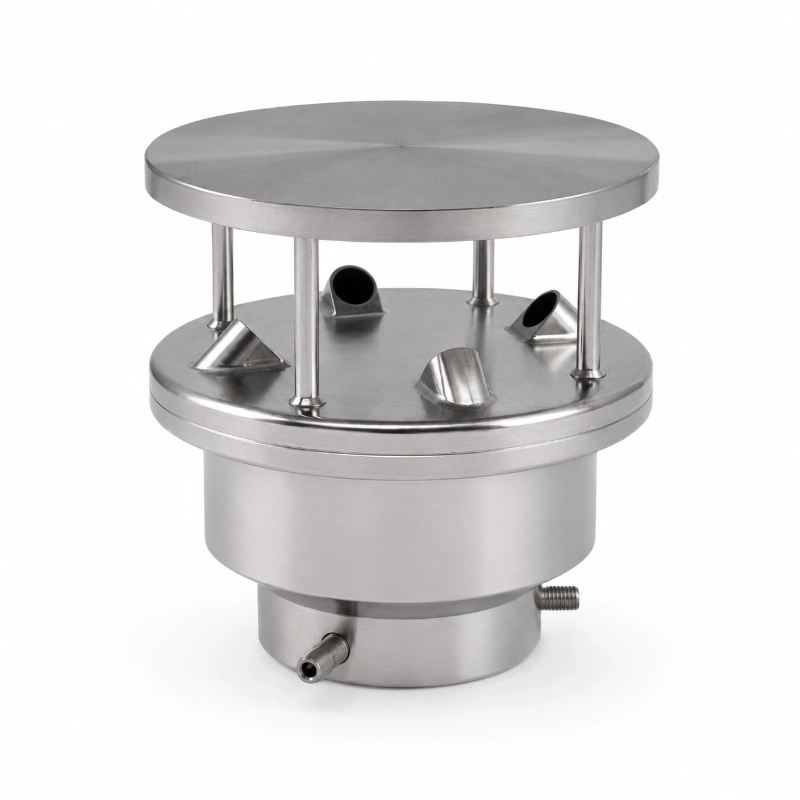
316 Stainless Steel Ultrasonic Wind Sensor for Offshore Wind Monitoring
Learn More

-
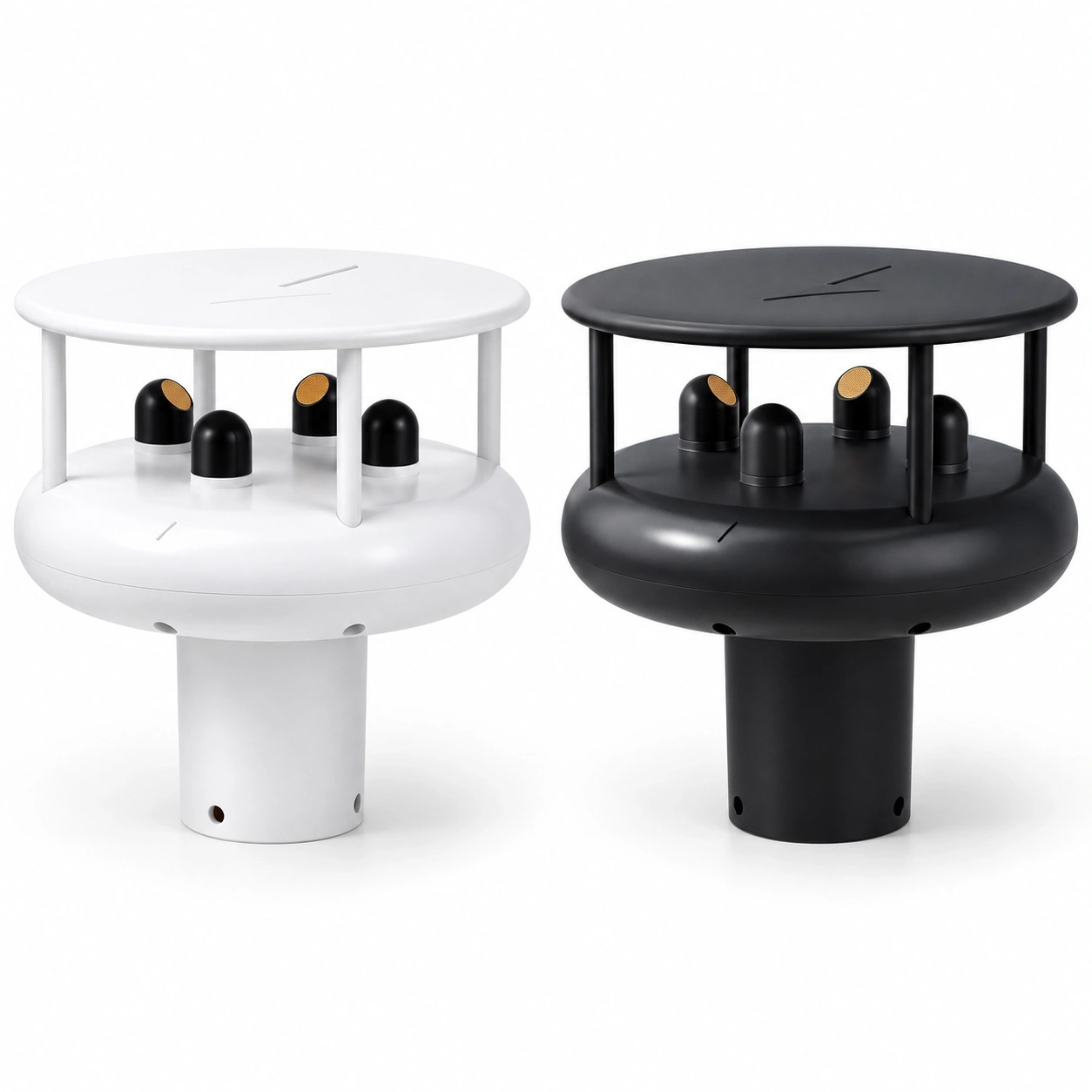
Compass-Integrated Ultrasonic Anemometer for Mobile Wind Monitoring
Learn More
-
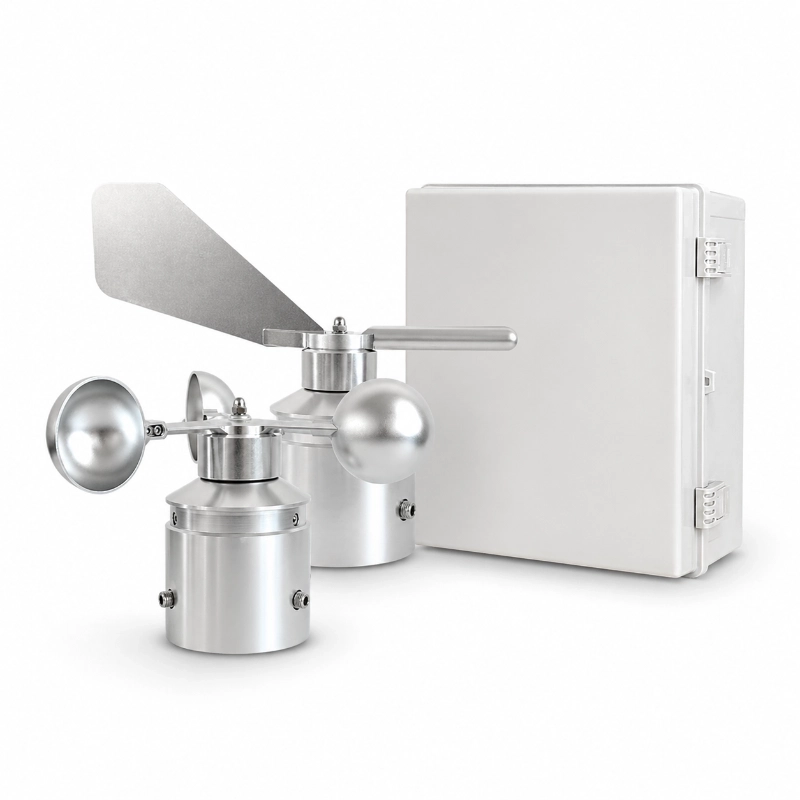
Wind Speed Direction Sensor for Wind Energy Monitoring
Learn More
-
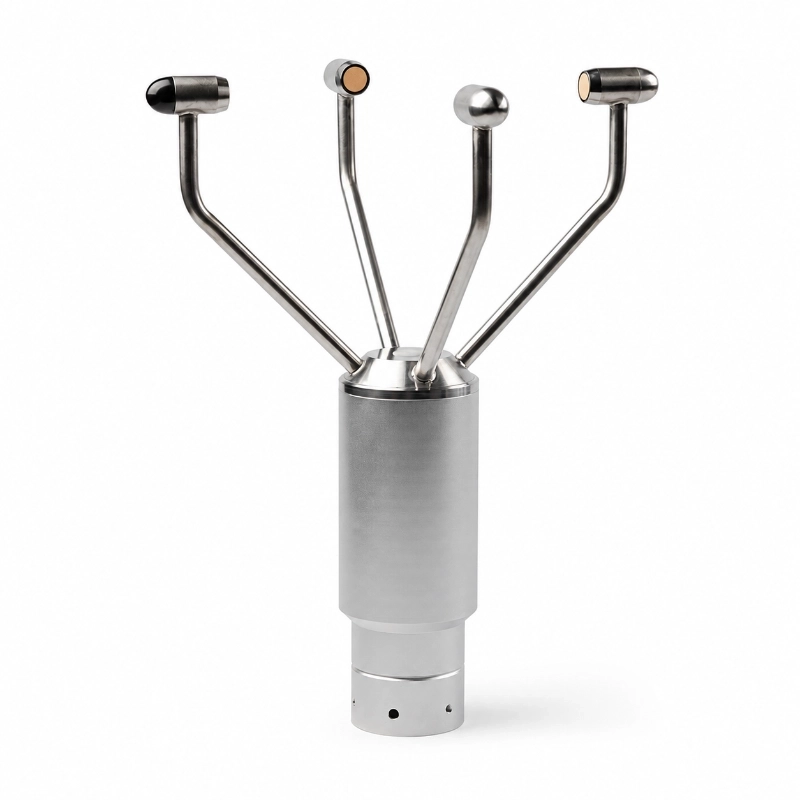
High-Precision Ultrasonic Wind Speed and Direction Sensor
Learn More
-
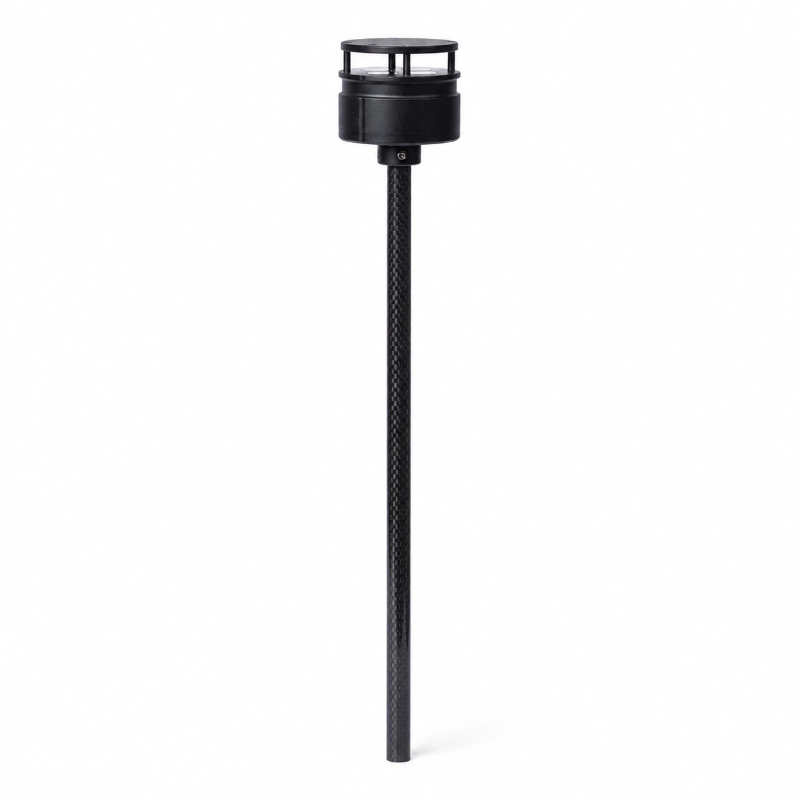
UAV Ultrasonic Wind Speed Direction Sensor
Learn More
-
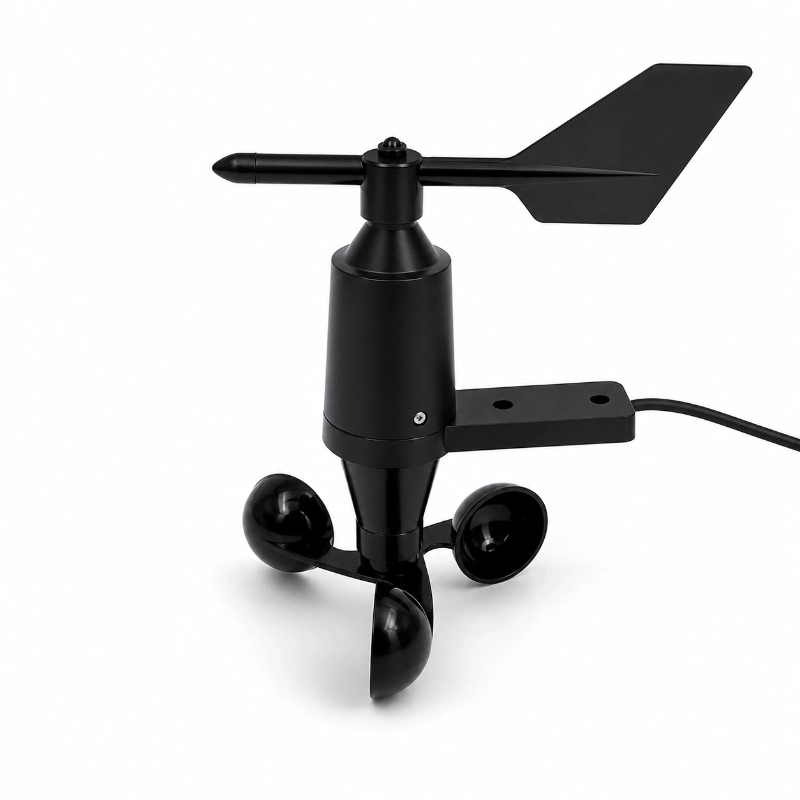
Integrated Wind Speed Direction Sensor RS485 for Weather Monitoring
Learn More
-
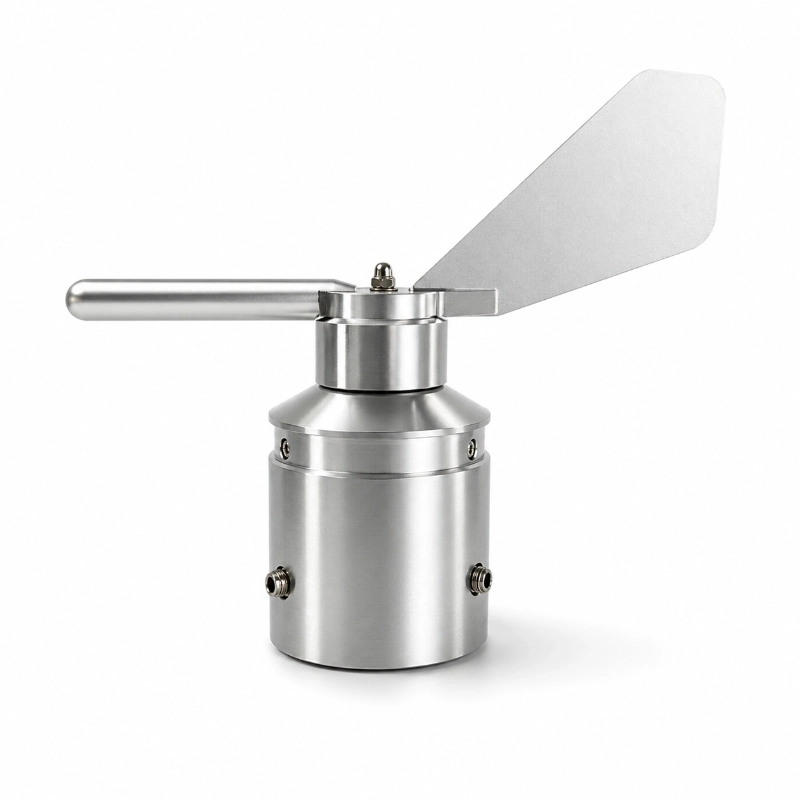
Wind Direction Sensor with Aerospace-grade Aluminum Body for Industrial Weather Monitoring Systems
Learn More
-
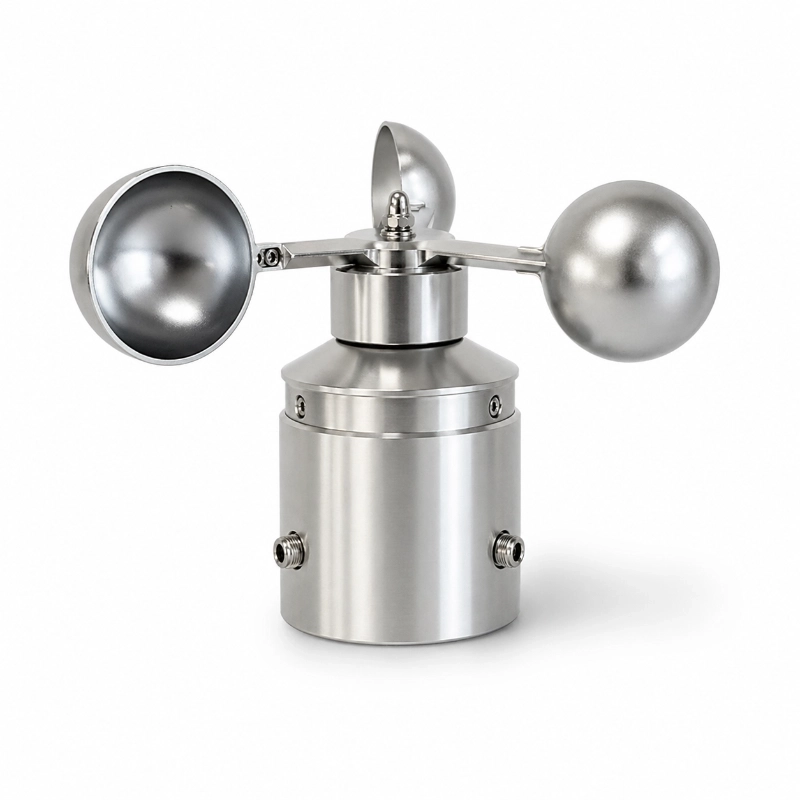
Wind Speed Sensor with Aerospace-grade Aluminum Body for Wind Energy Monitoring
Learn More