+86 13520127780
  info@jingelway.com








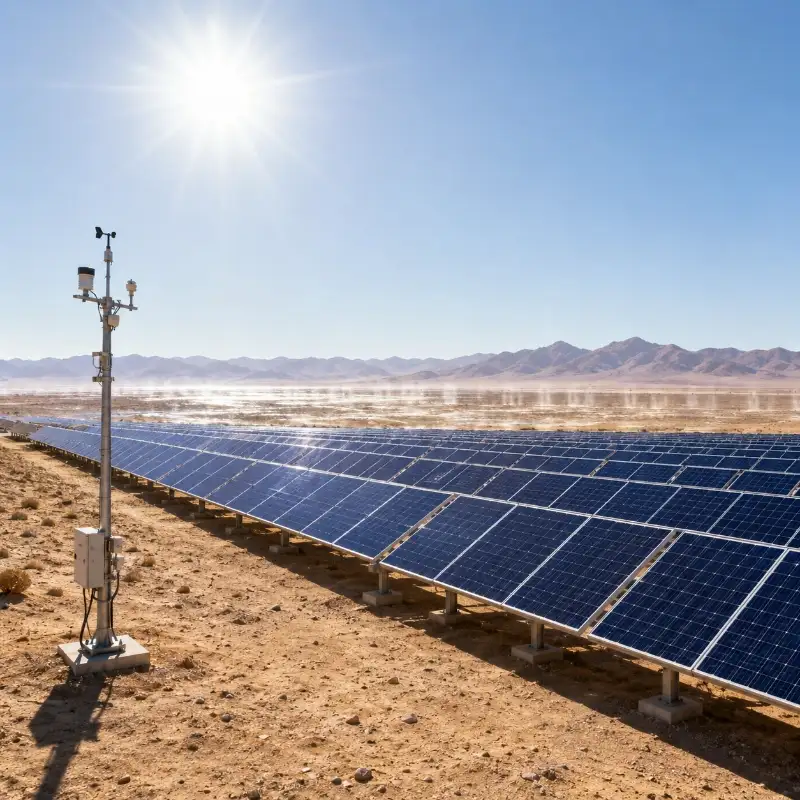
Smart PV Monitoring Devices Drive the Next Stage of Solar Power Innovation
Release time: 2026-05-12
As global demand for renewable energy continues to rise, the photovoltaic industry is entering a new phase of intelligent operation. Solar power plants are no longer focused only on installed capacity; they are also paying greater attention to generation efficiency, equipment reliability, and refined operation and maintenance.
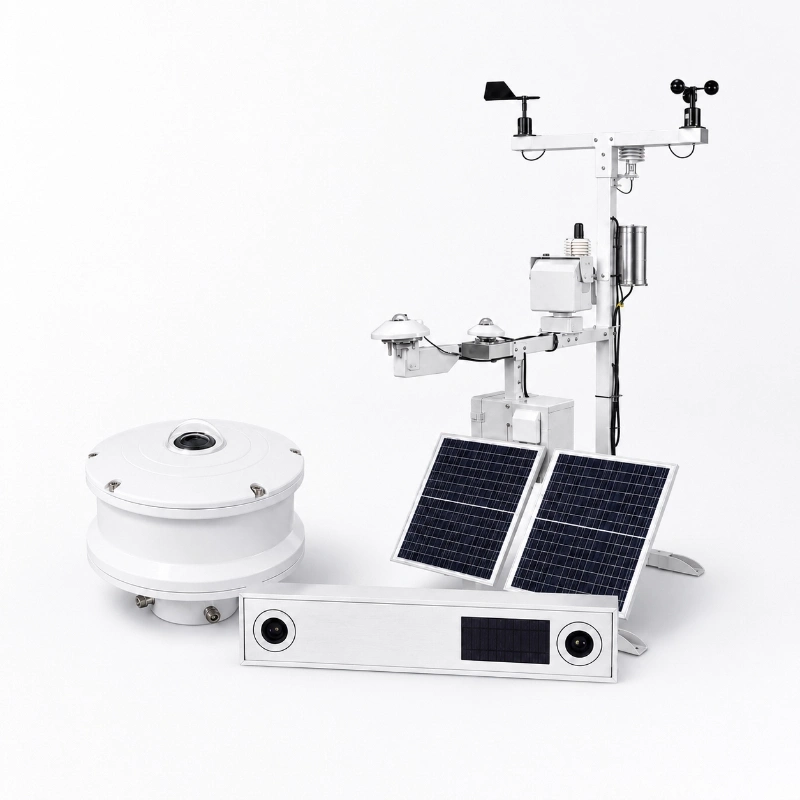
In this transformation, three types of intelligent equipment are becoming increasingly important: grid-connected PV weather stations, solar panel dust monitoring systems, and all-sky imagers. Together, they provide more complete environmental and operational data for photovoltaic plants, helping operators improve forecasting accuracy, reduce losses, and make more scientific maintenance decisions.
Grid Connected PV Weather Stations Improve Generation Forecasting
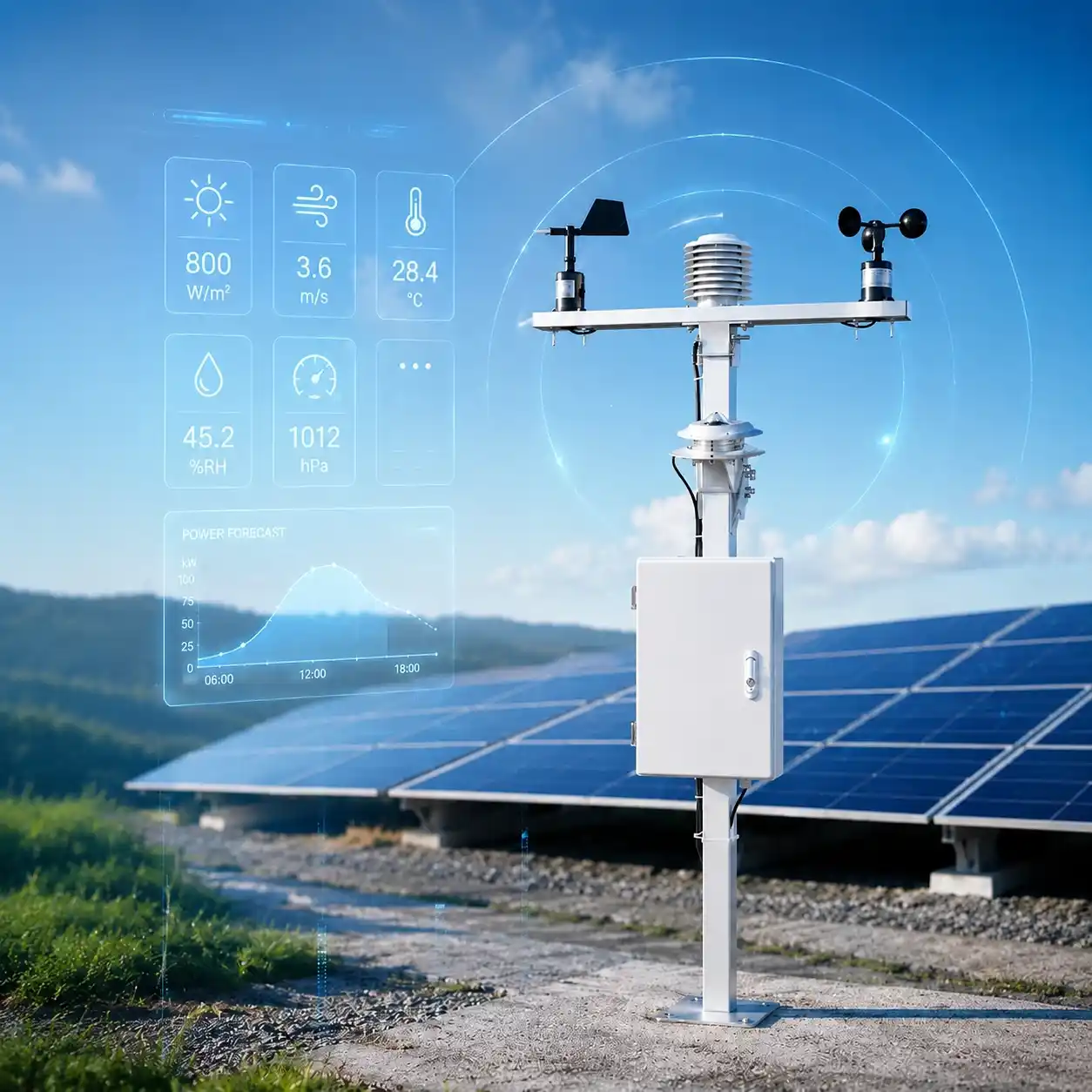
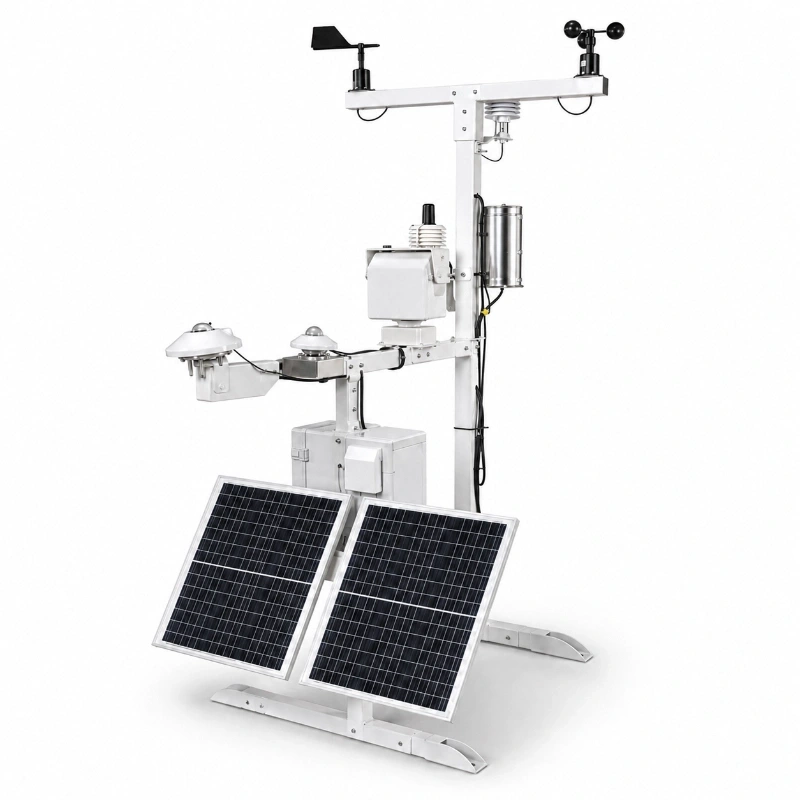
A grid connected PV weather station acts as the “eyes” of a solar power plant. It continuously monitors important environmental parameters such as:
- Solar irradiance
- Air temperature
- Relative humidity
- Wind speed
- Wind direction
These data are closely related to PV power output. By collecting real-time meteorological information at the plant site, operators can better evaluate system performance, forecast generation trends, and optimize operating strategies.
For solar plants, localized environmental data is far more valuable than relying only on regional weather forecasts. It helps managers understand the actual conditions affecting power generation and supports more accurate performance analysis.
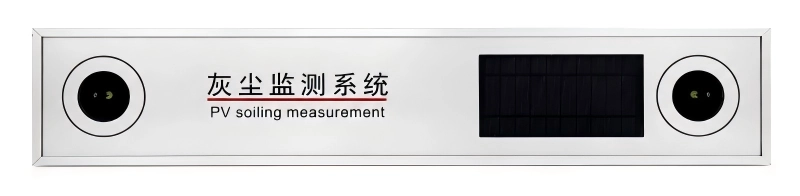
Dust Monitoring Systems Help Reduce Hidden Power Losses
Dust accumulation on PV module surfaces can significantly reduce light transmission and lower energy output. A solar panel dust monitoring system provides timely insight into surface contamination levels and helps operators determine when cleaning is truly needed.
Instead of relying on fixed cleaning schedules, plant managers can use dust monitoring data to:
- Detect abnormal soiling conditions
- Reduce unnecessary cleaning work
- Lower operation and maintenance costs
- Recover lost power generation more efficiently
By turning module cleaning from experience-based work into data-driven management, dust monitoring systems help solar plants improve both performance and maintenance efficiency.
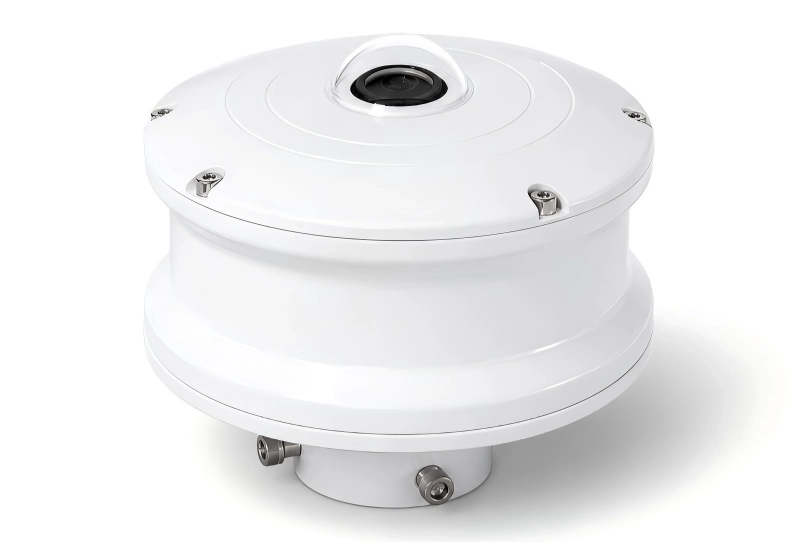
All Sky Imagers Support More Accurate Cloud and Irradiance Analysis
An all-sky imager serves as the “intelligent cloud observer” of a photovoltaic power station. It continuously captures sky images and tracks cloud distribution and movement in real time.
Because cloud changes directly affect solar irradiance and short-term power output, sky image data can support:
- Cloud cover analysis
- Irradiance change prediction
- Short-term PV output forecasting
- Improved plant scheduling and operational planning
This type of equipment is especially useful for solar plants that require more precise short-term generation forecasting and higher-quality environmental data support.
Intelligent Monitoring Is Becoming a New Standard for PV Plants
The integration of PV weather stations, dust monitoring systems, and all-sky imagers reflects a broader industry trend: photovoltaic power plants are moving from traditional equipment management toward intelligent, data-driven operation.
These devices help operators:
- Improve power generation efficiency
- Reduce preventable performance losses
- Enhance system stability
- Support predictive maintenance
- Build more digitalized solar plant management systems
As solar energy projects scale up and grid interaction becomes more demanding, intelligent monitoring equipment will play an even greater role in the future of photovoltaic development.
Conclusion
Smart PV monitoring devices are becoming essential infrastructure for modern solar power plants. Grid-connected PV weather stations strengthen environmental data collection, dust monitoring systems reduce soiling-related losses, and all-sky imagers improve irradiance and cloud forecasting.
Together, they create a stronger data foundation for intelligent solar plant operation, helping the photovoltaic industry move toward higher efficiency, lower maintenance costs, and more reliable long-term performance.