+86 13520127780
  info@jingelway.com








Distributed PV Weather Stations Improve Solar Power Efficiency
Release time: 2026-04-14
As global attention to renewable energy continues to grow, the photovoltaic industry is entering a new phase of intelligent and refined operation. Among the technologies supporting this transformation, distributed PV weather stations are gaining increasing importance for their role in improving solar power generation efficiency and ensuring stable plant operation.
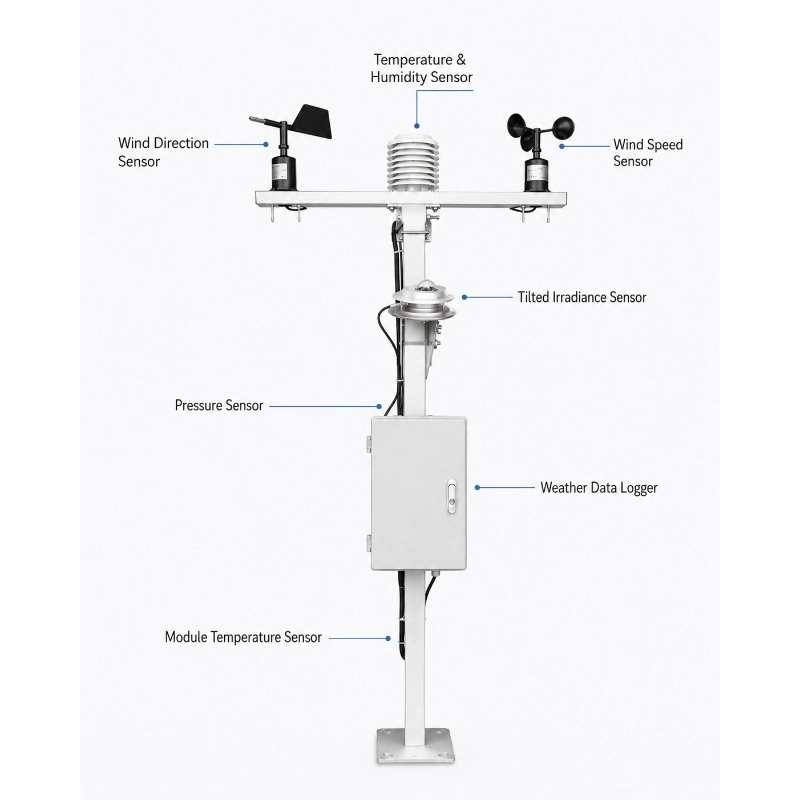
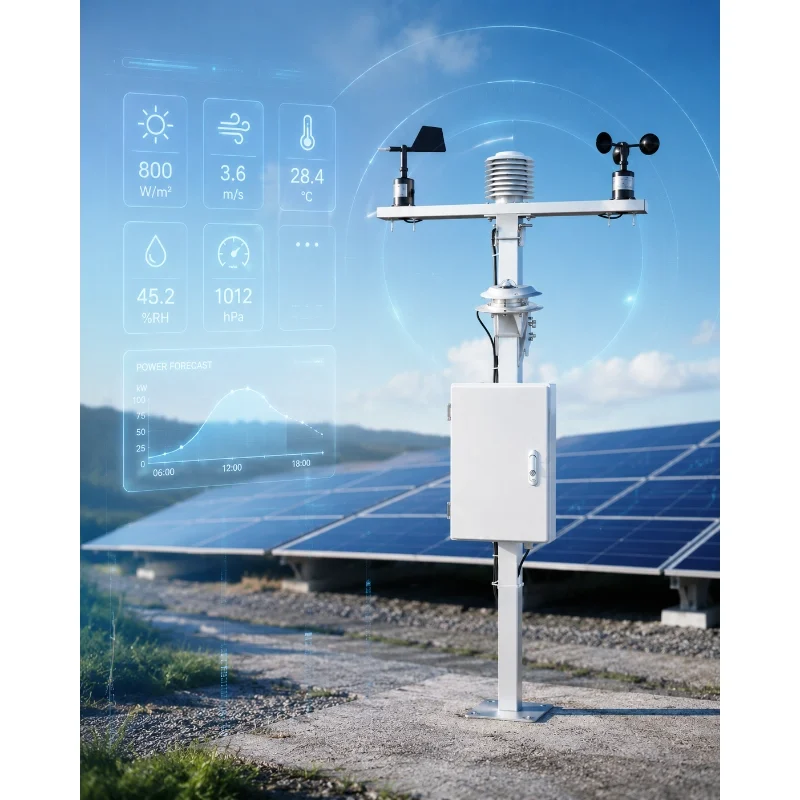
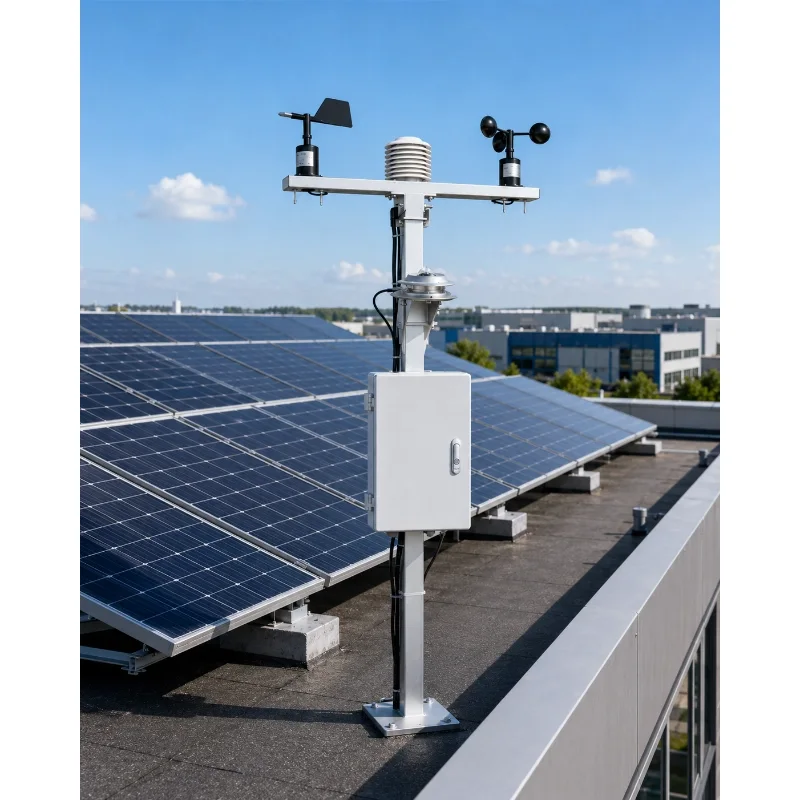
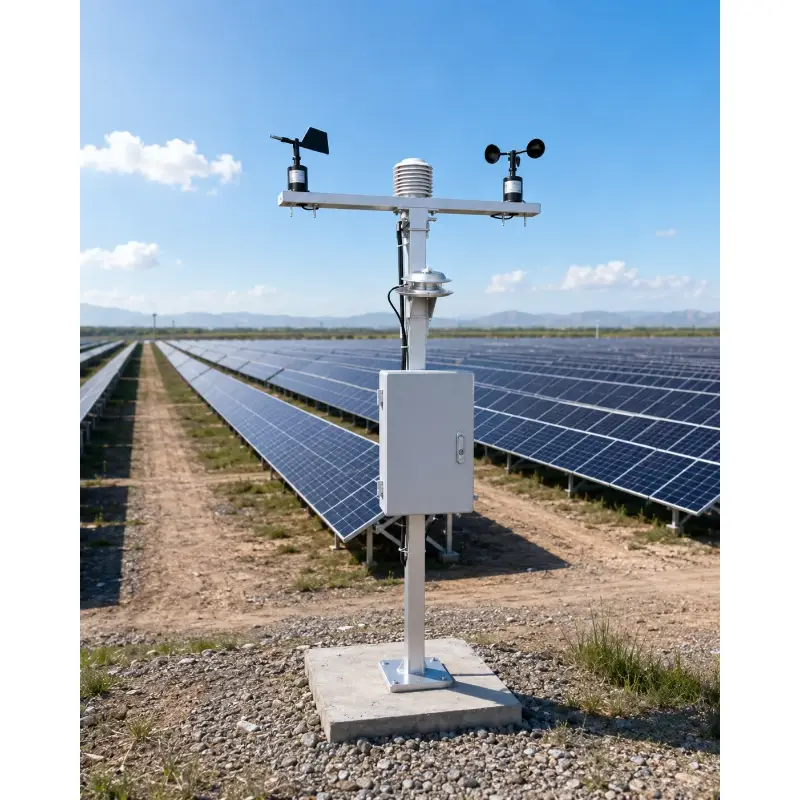
Unlike conventional large-scale weather monitoring systems, distributed PV weather stations are designed to provide localized meteorological data directly from the solar installation area. By continuously measuring key environmental parameters such as air temperature, humidity, wind speed, wind direction, solar radiation, and other site-specific weather factors, they help photovoltaic power stations better understand real operating conditions.
Local Weather Data Supports Smarter PV Operation
Weather conditions have a direct impact on the performance of photovoltaic modules. Changes in sunlight intensity, ambient temperature, and wind conditions can all influence power output. With real-time data from distributed PV weather stations, plant operators can:
- Monitor on-site environmental changes more accurately
- Evaluate the relationship between weather and power generation
- Improve power output forecasting
- Optimize daily operation and maintenance strategies
- Enhance the overall stability of PV systems
This localized data is especially valuable for distributed solar projects, where terrain, installation angle, and microclimate conditions may differ significantly from one site to another.
The same sensor-to-cloud approach can also be applied beyond photovoltaic projects. Explore the general remote weather monitoring system for agriculture, environmental observation, water resources, and industrial sites.
A Key Tool for Higher Generation Efficiency
By combining meteorological monitoring with PV plant management, distributed weather stations provide a stronger data foundation for performance analysis. Operators can compare actual generation with expected output under current weather conditions, identify abnormal performance more quickly, and make timely adjustments when efficiency declines.
In this way, PV weather stations are becoming more than simple environmental sensing devices. They are evolving into an important part of intelligent solar power management systems, helping plants move from passive monitoring to proactive optimization.
Expanding Role in the Solar Energy Industry
With the continuous expansion of renewable energy deployment, the demand for precise, real-time, and site-specific weather information is expected to rise. Distributed PV weather stations offer a practical way to support:
- Rooftop solar systems
- Industrial and commercial PV projects
- Utility-scale photovoltaic plants
- Solar farm operation centers
- Smart energy management platforms
As the photovoltaic market continues to develop, meteorological monitoring will play a larger role in improving plant performance, reducing uncertainty, and supporting long-term asset value.
Conclusion
Distributed PV weather stations are becoming an essential technology for modern solar power plants. By delivering accurate local weather data, they help operators improve forecasting, strengthen operation management, and increase overall generation efficiency. As solar energy continues to scale worldwide, these systems will remain an important driver of smarter and more efficient photovoltaic development.