 +86 13520127780
  info@jingelway.com




-
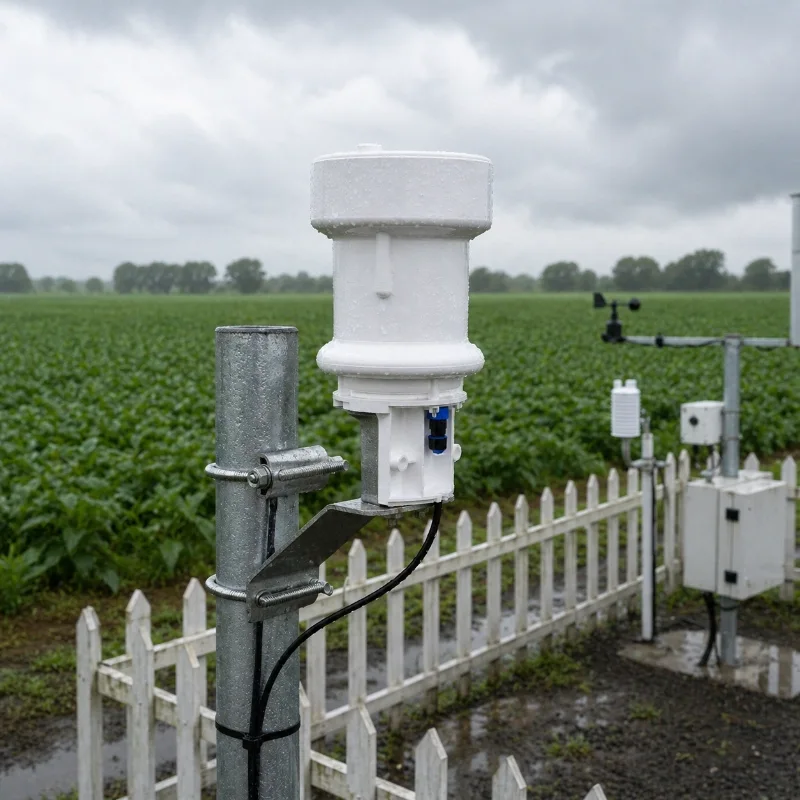
How to select the appropriate rain gauge based on rainfall intensity and monitoring scenario?
With the rapid development of smart agriculture, rainfall data is no longer just basic information from traditional meteorological observations, but a crucial basis for irrigation, fertilization, pest and disease control, and crop growt...
2026.08.28
-
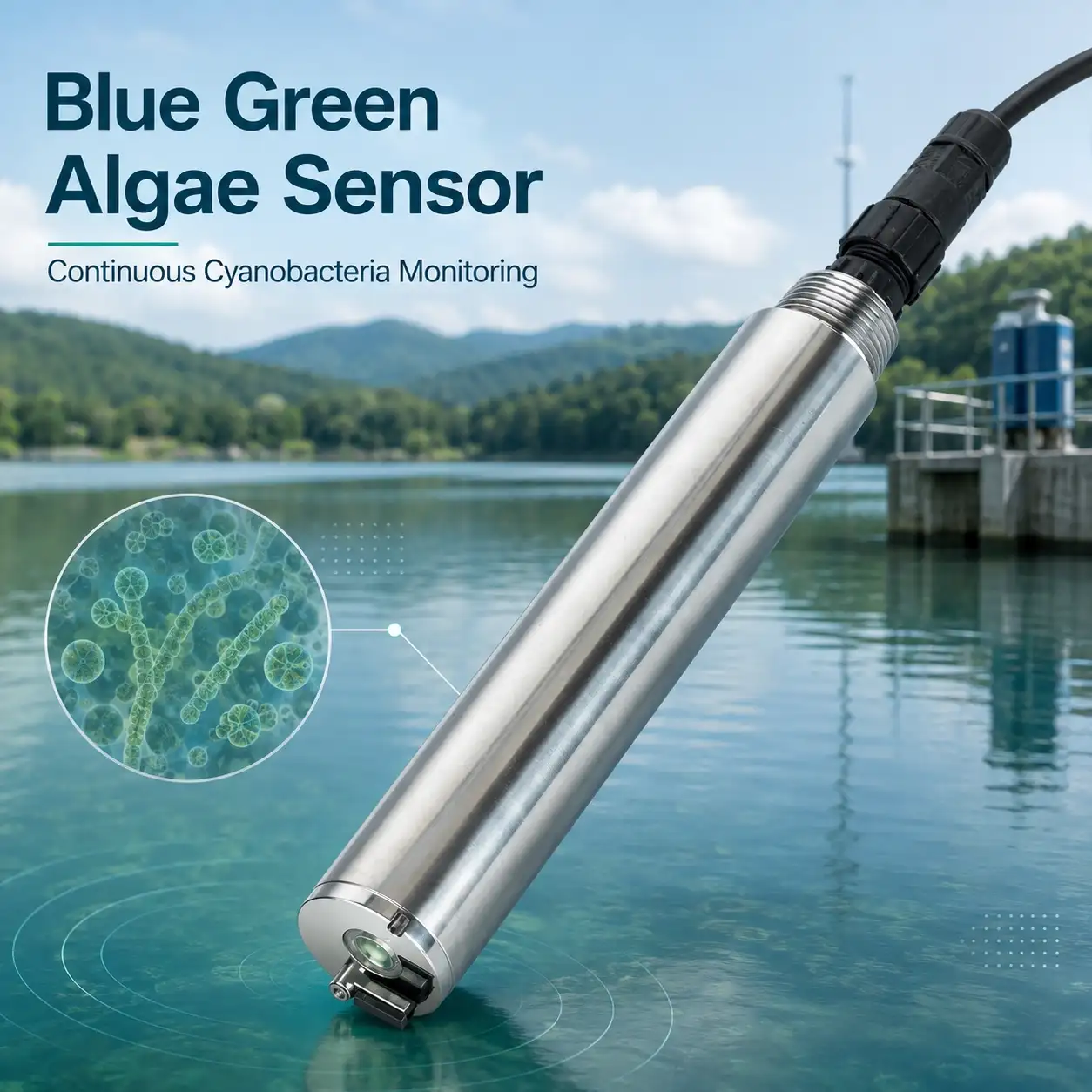
How Continuous Cyanobacteria Monitoring Helps Detect Harmful Algal Bloom Risk Earlier
Cyanobacteria Monitoring Is More Than Detecting Green Water A lake or reservoir can appear normal one week and develop significant cyanobacterial activity shortly afterward. For water utilities, reservoir operators, environmen...
2026.08.25
-
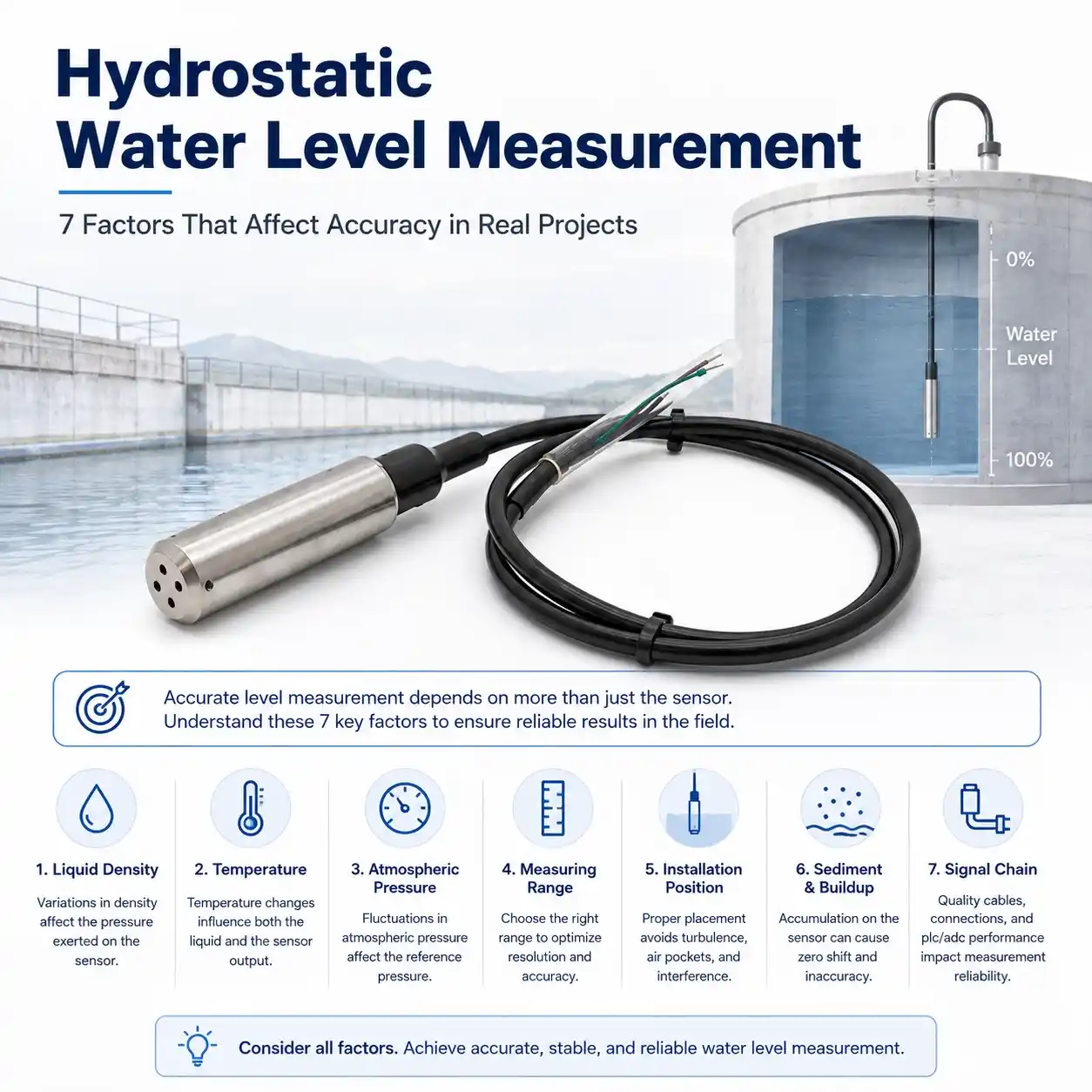
Hydrostatic Water Level Measurement: 7 Factors That Can Affect Accuracy in Real Projects
Hydrostatic water level measurement looks simple in theory. A submerged pressure sensor measures the pressure generated by the liquid column above it, and the monitoring system converts that pressure into water level. But in a...
2026.08.24
-
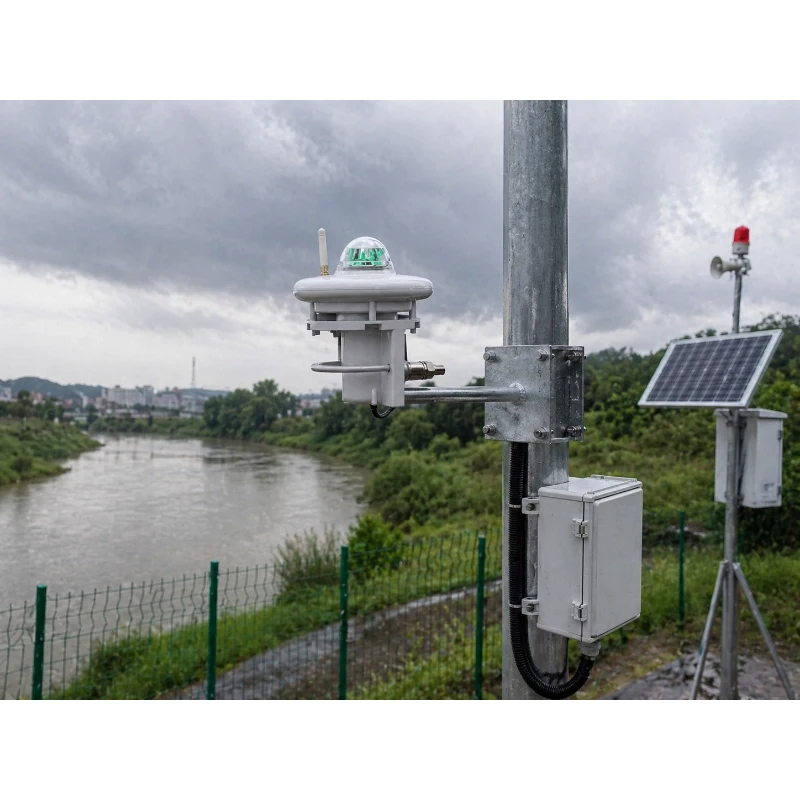
How IoT Rain Gauges Support Precision Irrigation and Smart Agriculture
In the development of smart agriculture, rainfall data is crucial for irrigation planning, crop growth, and field management. Traditional manual rain measurement methods suffer from low collection frequency and discontinuous data record...
2026.08.20
-
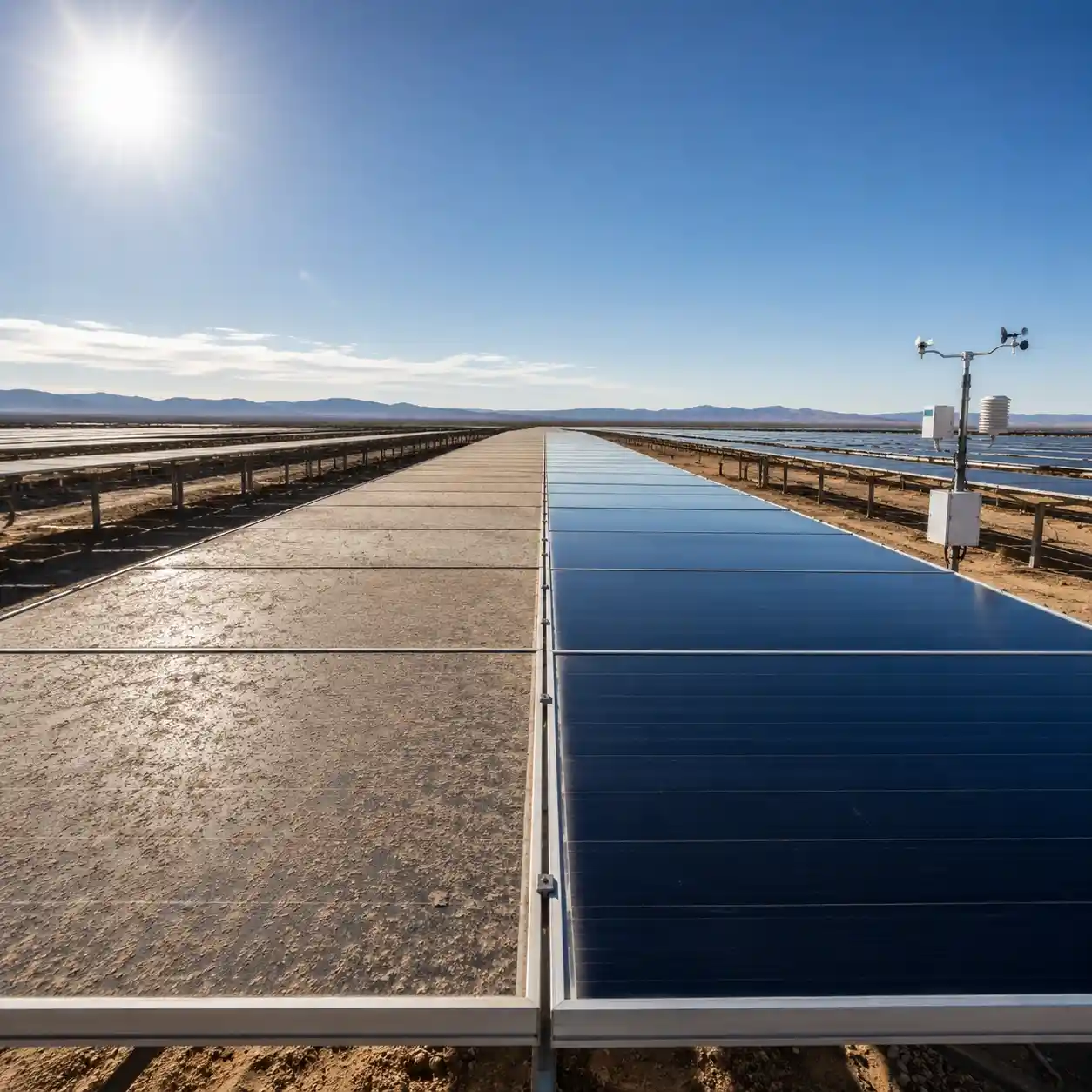
How Solar PV Soiling Monitoring Saves Maintenance Costs
Introduction Dust, sand, pollen, bird droppings, industrial particles, and other contaminants can gradually accumulate on photovoltaic modules. This phenomenon is known as PV soiling. Although a thin layer of dust may appear ha...
2026.08.20
-
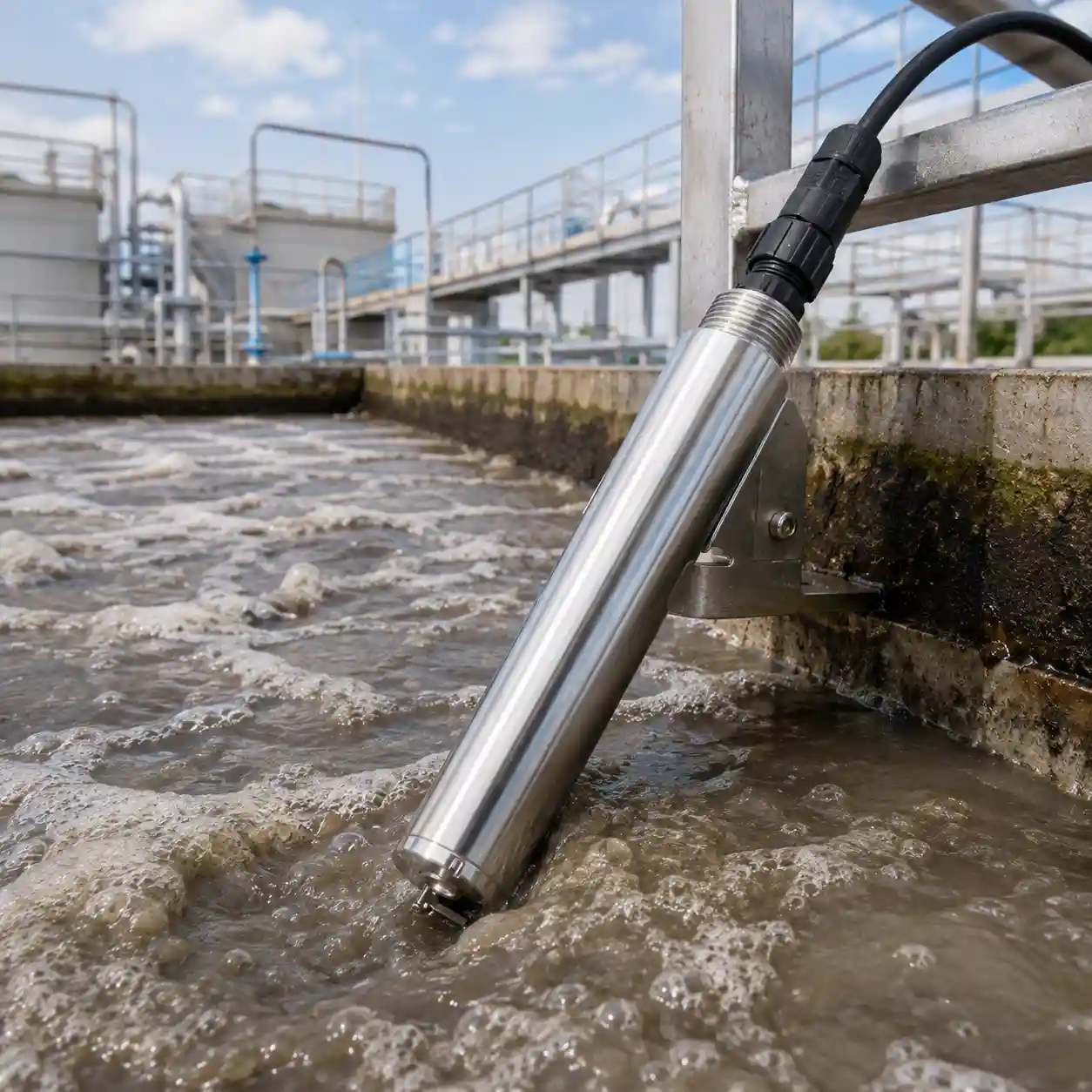
How Online Sludge Concentration Monitoring Improves Wastewater Treatment Process Control
Wastewater treatment performance depends heavily on what is happening inside the biological treatment process—not simply on the quality of the final effluent. One of the most important parameters is sludge concentration, often monito...
2026.08.19