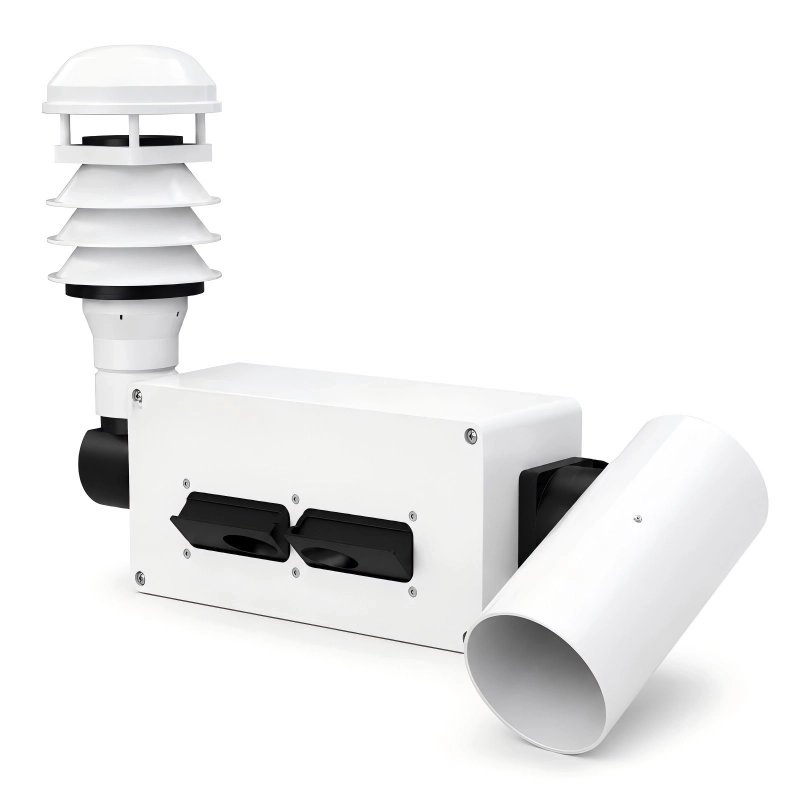
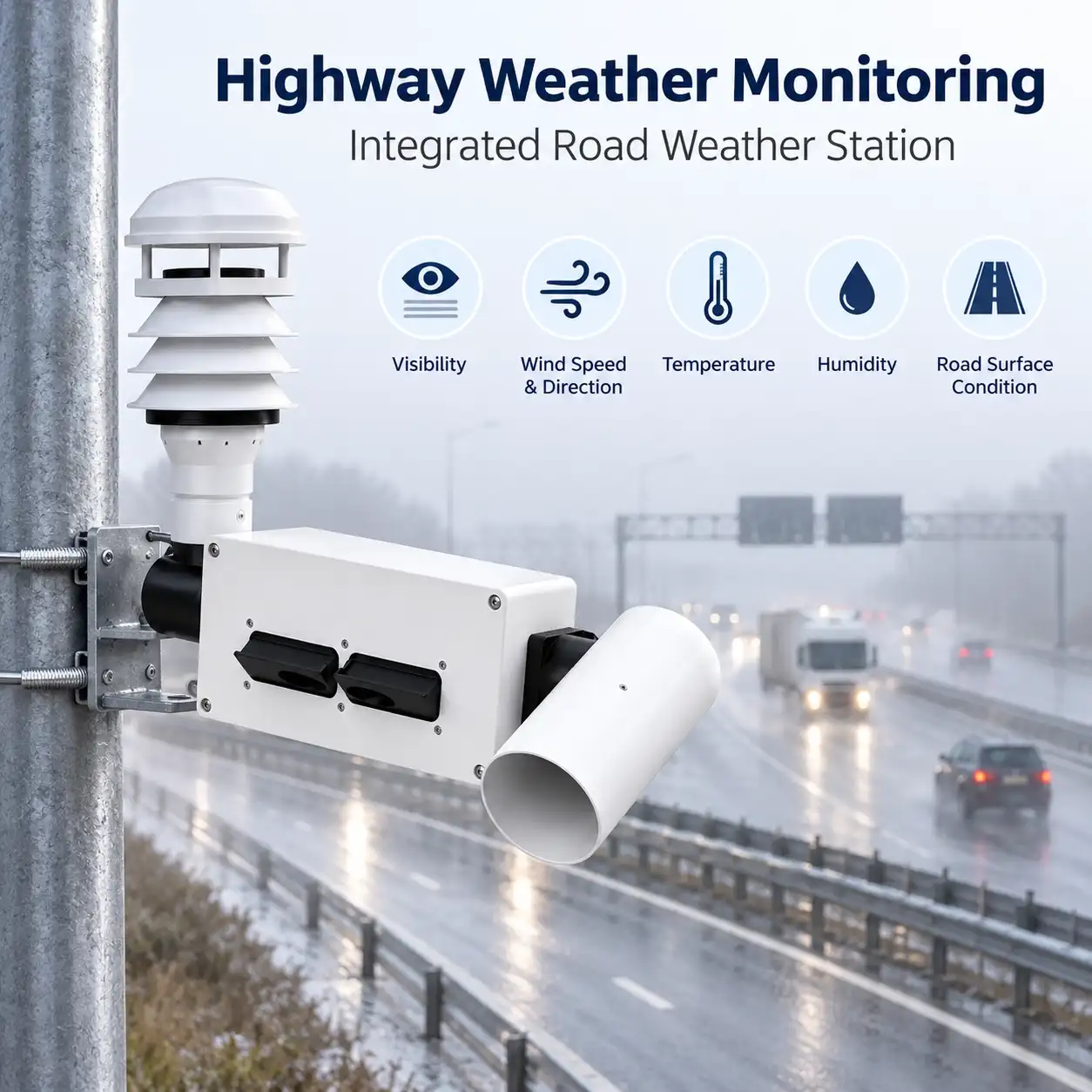
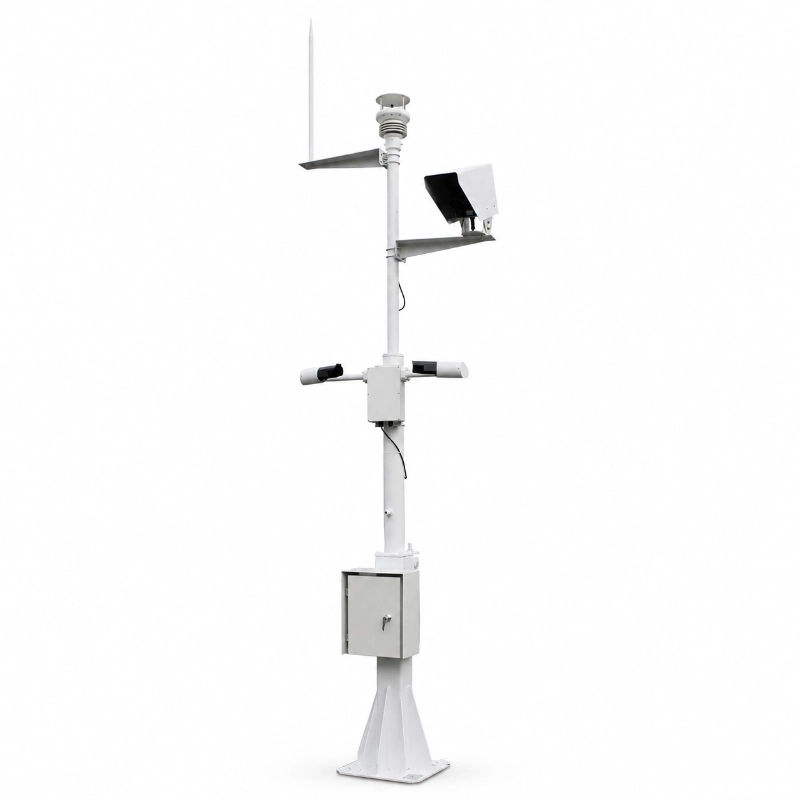
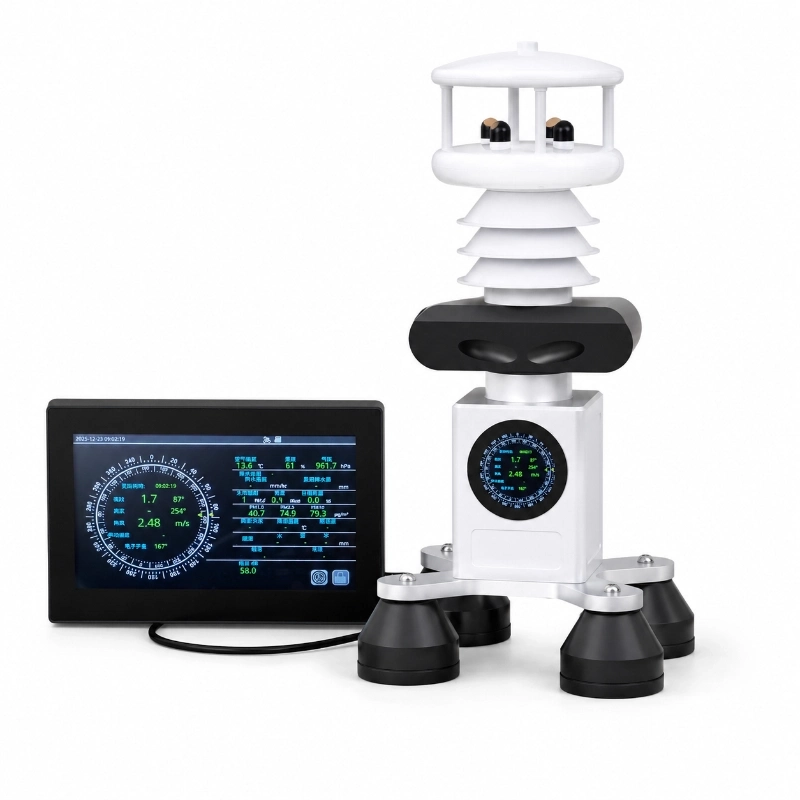
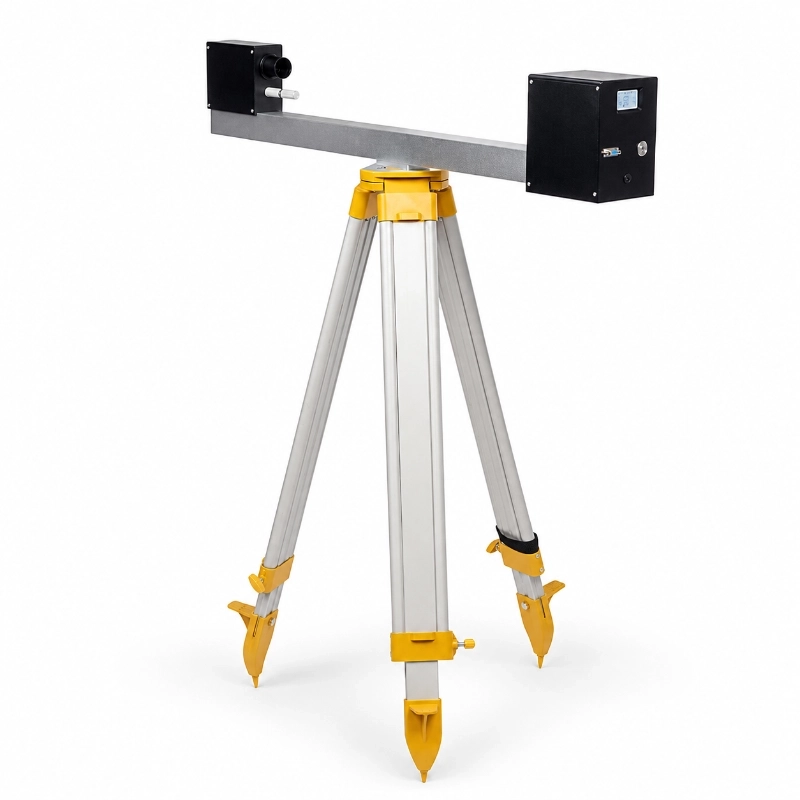
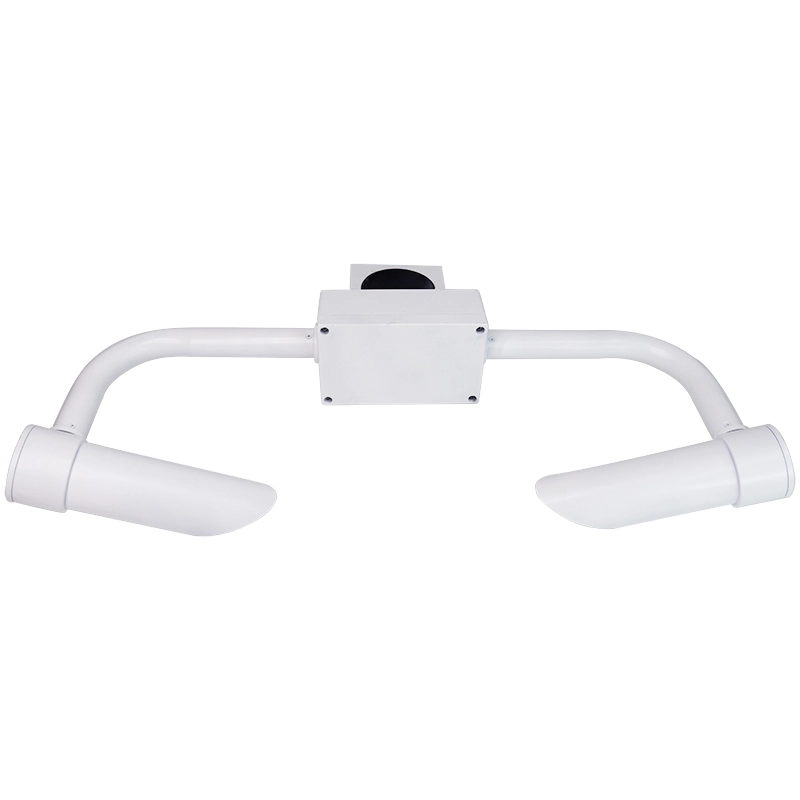
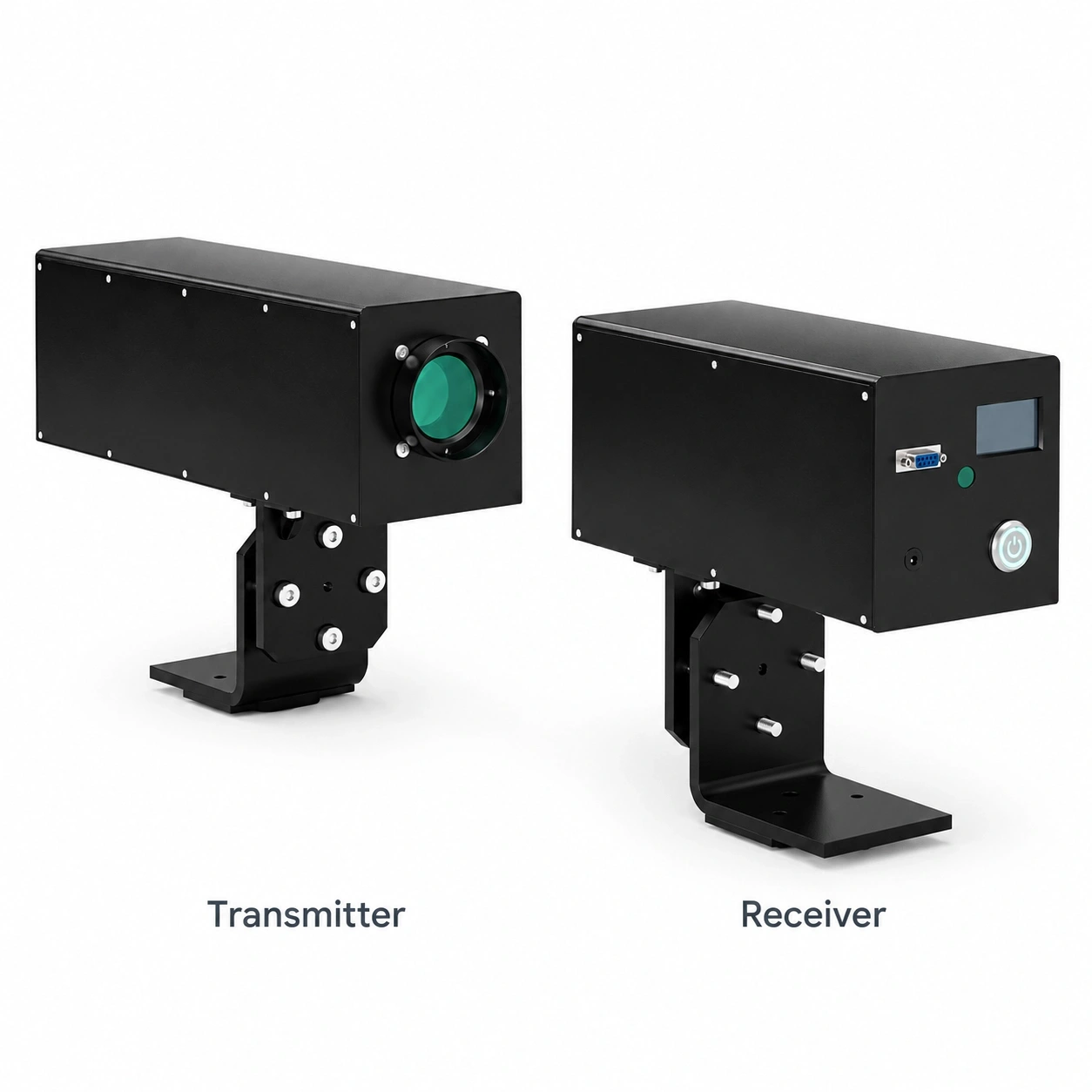
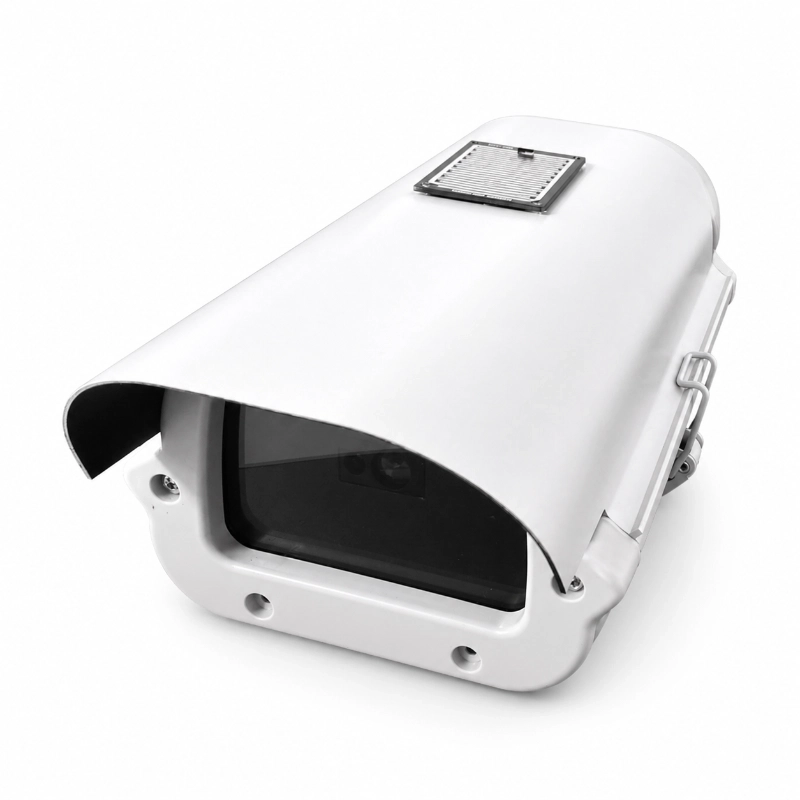
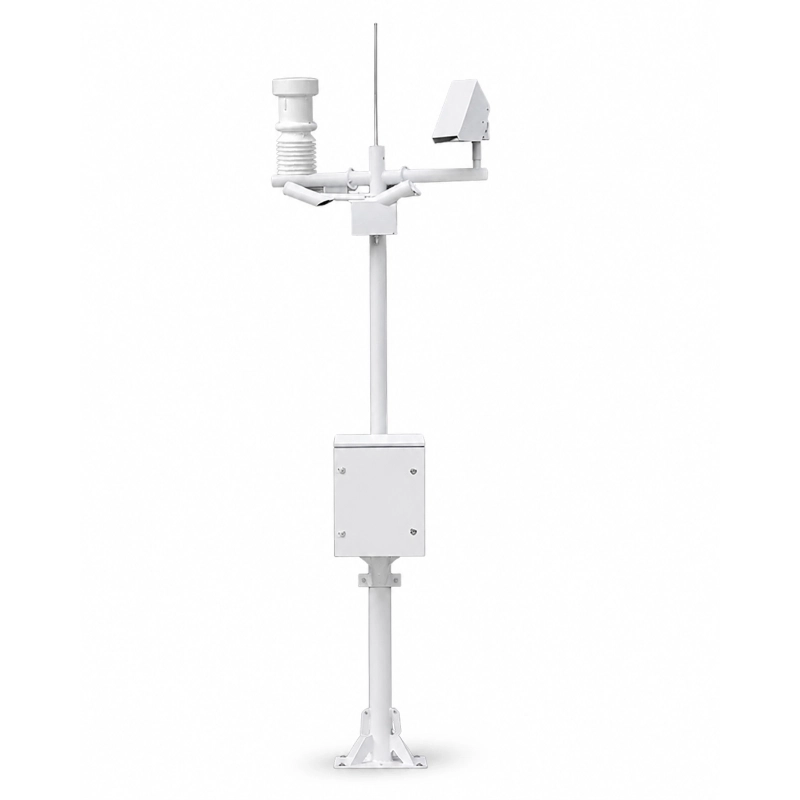
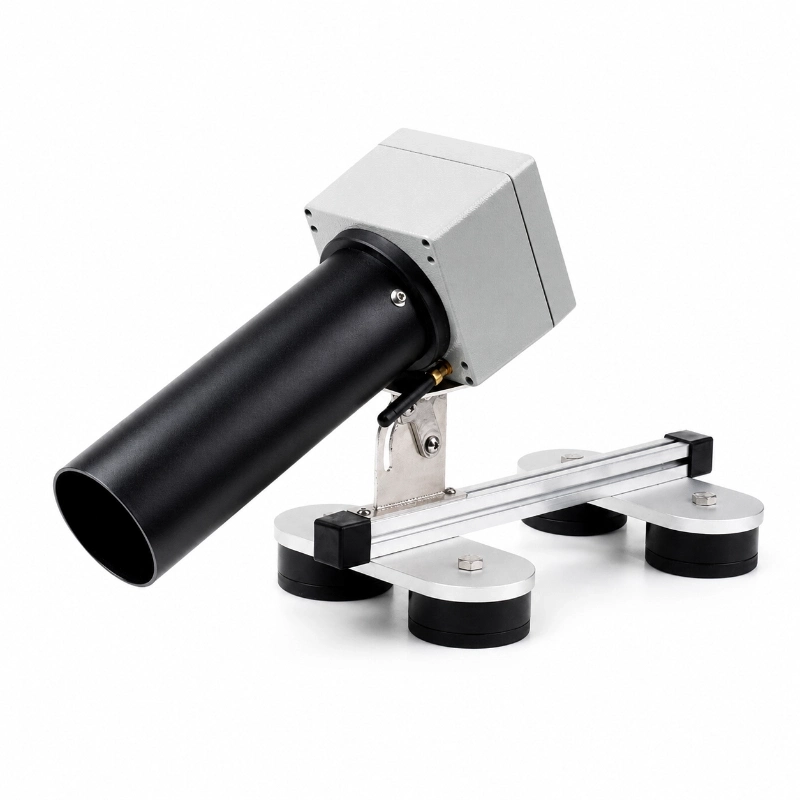
JW-TWSseries is a compact, multi-parameter monitoring instrument designed for highways, expressways, national roads, bridges, and urban traffic infrastructure.
It combines selected measurements of road visibility, pavement condition, road surface temperature, wind speed, wind direction, air temperature, humidity, and atmospheric pressure into an integrated monitoring system.
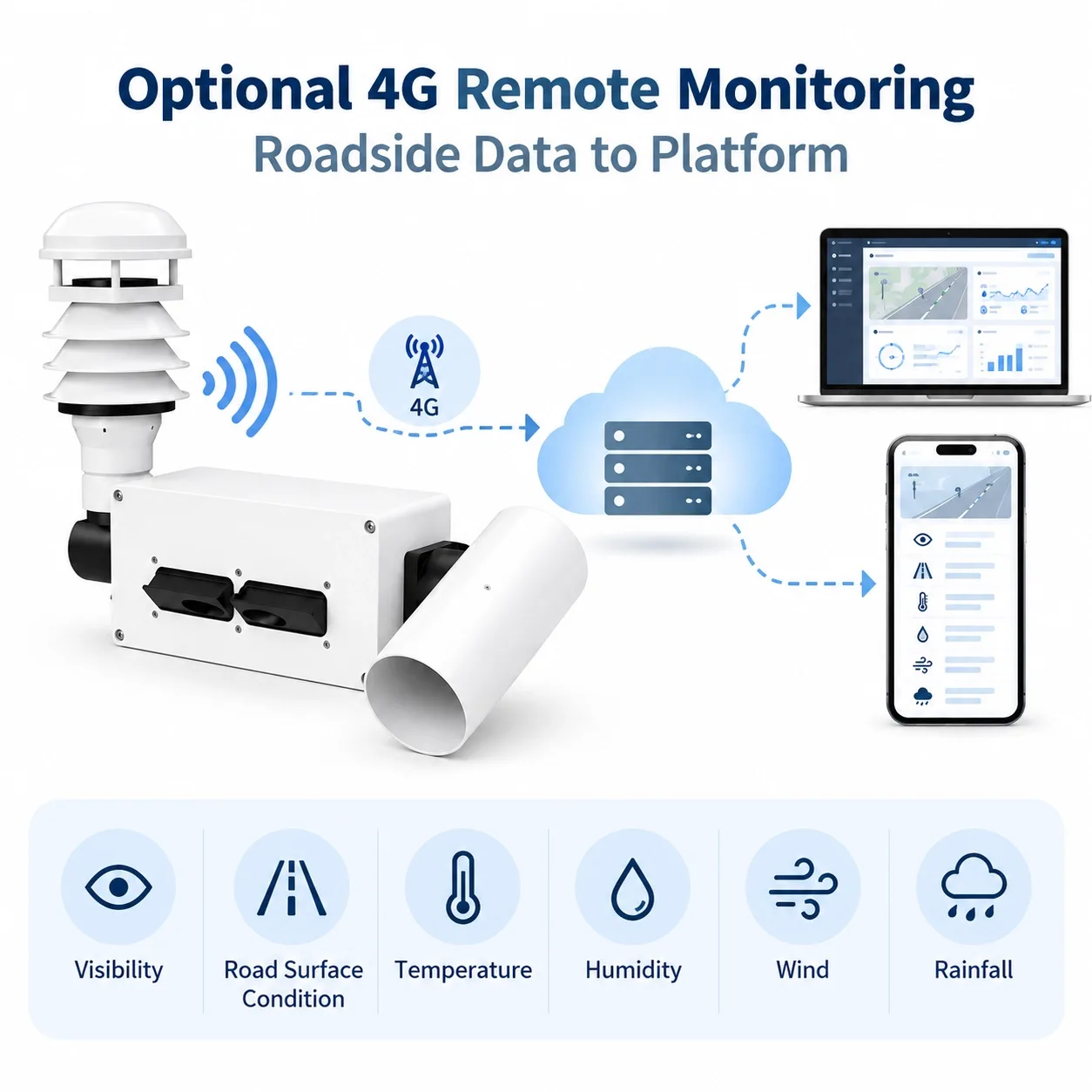
Four sensor configurations are available to accommodate different road monitoring requirements. Optional 4G communication, Bluetooth connectivity, and camera equipment provide additional deployment flexibility.
The integrated design reduces the need for multiple independent sensor housings and is particularly suitable for distributed monitoring points along highways.
1. What Is an Integrated Road Weather Station?
An integrated road weather station is a roadside monitoring instrument that combines meteorological observations with traffic-related environmental measurements.
Unlike a conventional weather station, it can include parameters directly related to road safety, such as pavement condition, road temperature, and atmospheric visibility.
The system helps road operators identify changing environmental conditions along road corridors.
Типичные задачи мониторинга включают:
Low visibility caused by fog or haze
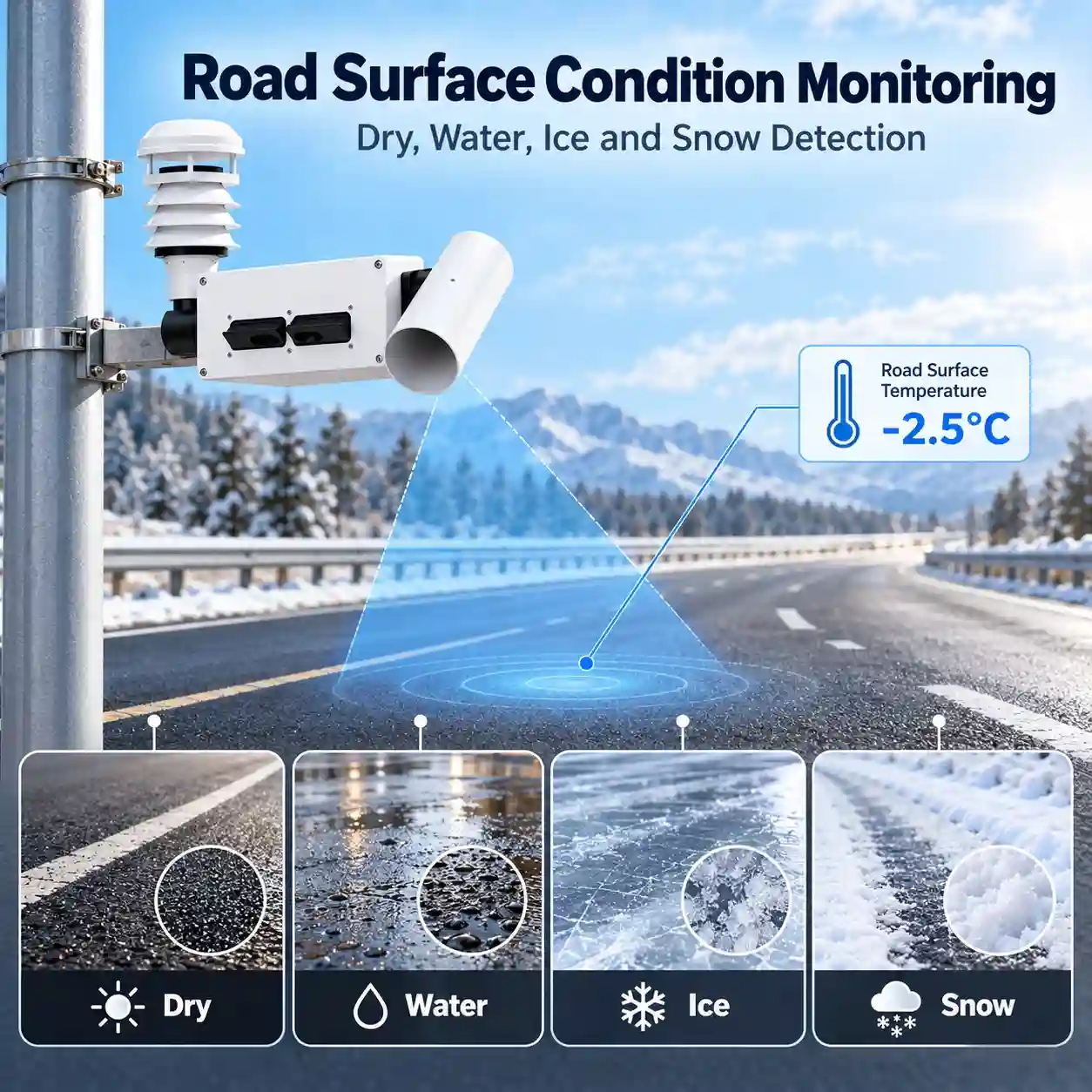
Road surface icing
Snow-covered pavement
накопление воды
Strong winds on exposed roads
Изменения температуры и влажности
Rainfall and weather-related road risks
The compact design is suitable for installing multiple monitoring points along highways and other road networks.
2. Технические характеристики
The following specifications are based on the available sensor configurations.
Параметр измерения
Диапазон измерения
Видимость
10–6,000 m
Состояние дорожного покрытия
Dry, Water, Ice, Snow
Температура дорожного покрытия
от -40°C до +80°C
Скорость ветра
0–60 м/с
Направление ветра
0–359°
Температура окружающей среды
от -40°C до +80°C
Относительная влажность
0–100% RH
Атмосферное давление
300–1,100 hPa
PM2.5 / PM10 (Optional)
0–1,000 μg/m³
Solar Radiation (Optional)
0–2,000 W/m²
Noise (Optional)
10–130 dB
Illuminance (Optional)
0–200 000 люкс
Rainfall (Depending on Model)
0–400 мм/ч
Rainfall Intensity Classification
Light Rain to Extreme Rainfall
Snowfall Classification (Optional)
Light, Moderate, Heavy Snow
Wireless Communication (Optional)
4G / Bluetooth
Камера
Необязательный
Not all parameters are available in every model. Please refer to the configuration comparison below.
3. Integrated Road Weather Station Model Comparison
Four sensor configurations are designed for different monitoring priorities.
Monitoring Function
TWS-A
TWS-B
TWS-C
TWS-D
Видимость
✓
✓
—
✓
Состояние дорожного покрытия
✓
—
✓
✓
Температура дорожного покрытия
✓
—
✓
✓
Скорость и направление ветра
—
✓
✓
✓
Температура и влажность воздуха
—
✓
✓
✓
Атмосферное давление
—
✓
✓
✓
Измерение количества осадков
—
—
Необязательный
✓
PM2.5 / PM10
—
Необязательный
Необязательный
Необязательный
Солнечное излучение
—
Необязательный
Необязательный
Необязательный
Шум
—
Необязательный
Необязательный
Необязательный
Освещенность
—
Необязательный
Необязательный
Необязательный
4G-связь
Необязательный
Необязательный
Необязательный
Необязательный
Bluetooth
Необязательный
Необязательный
Необязательный
Необязательный
Камера
Необязательный
Необязательный
Необязательный
Необязательный
TWS-A — Visibility and Pavement Monitoring
Designed for applications requiring road visibility, road condition, and pavement temperature measurements.
TWS-B — Visibility and Meteorological Monitoring
Combines visibility with wind speed, wind direction, air temperature, humidity, and atmospheric pressure.
TWS-C — Pavement and Meteorological Monitoring
Combines road surface condition and temperature with conventional meteorological parameters, without standard visibility measurement.
TWS-D — Comprehensive Road Weather Monitoring
Combines visibility, pavement monitoring, meteorological parameters, and rainfall measurement.
The appropriate configuration depends on the monitored road section and project requirements.
4. Road Visibility Monitoring
Visibility monitoring is important for roads affected by fog, haze, rain, and snow.
The integrated station offers visibility measurement from 10 to 6,000 meters in configurations equipped with the visibility module.
Visibility monitoring: Select a configuration with the visibility measurement function.
Pavement condition: Choose a model with road surface status and temperature monitoring.
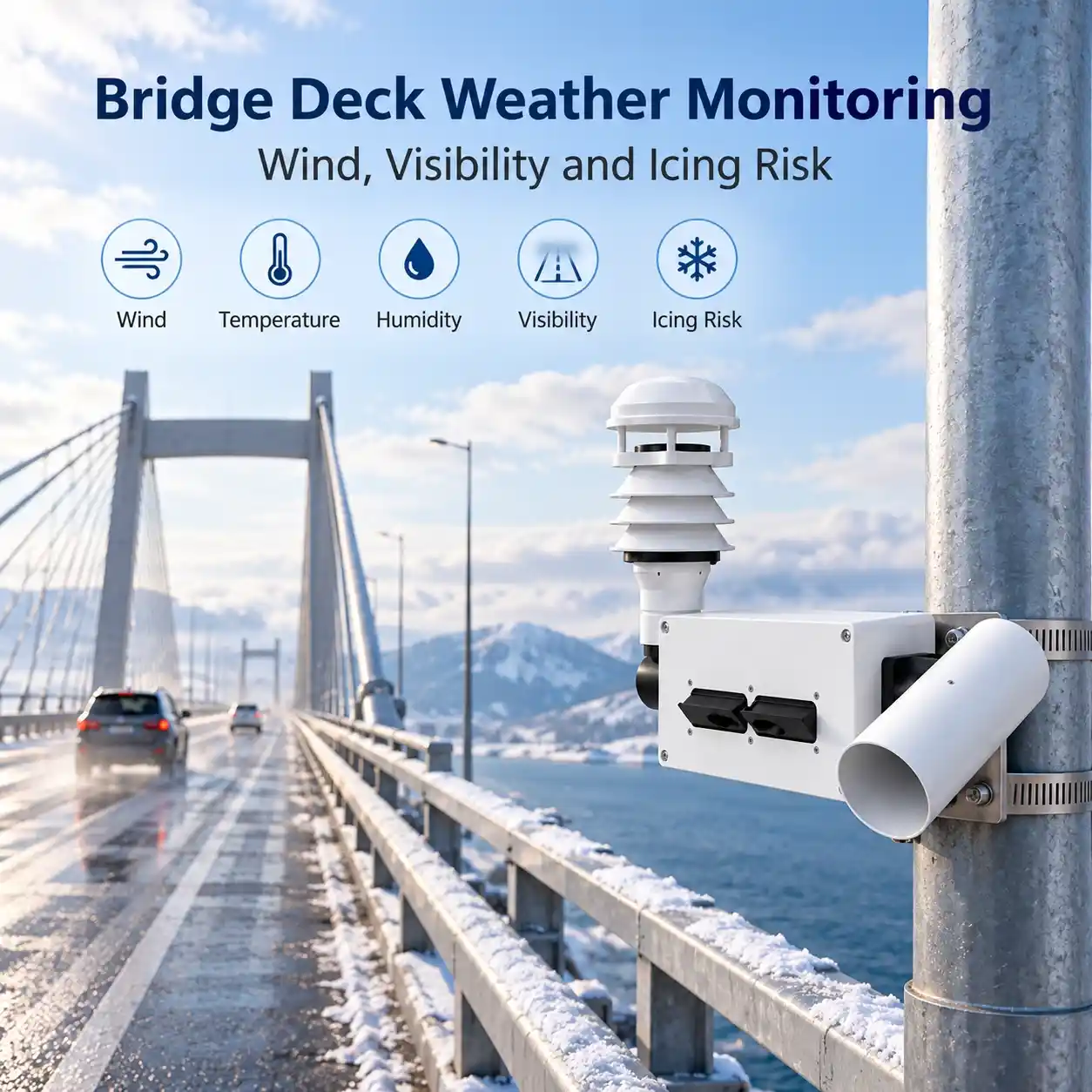
Wind exposure: Include wind speed and direction measurements for bridges and exposed roads.
Rainfall measurement: Select the configuration supporting the required rainfall function.
Optional environmental parameters: Confirm whether PM2.5/PM10, radiation, illuminance, or noise measurements are needed.
Remote communication: Evaluate available 4G coverage and project data-transmission requirements.
For large monitoring networks, sensor selection should consider the local climate, road characteristics, installation environment, and required monitoring parameters.
10. Request a Road Weather Station Configuration
Looking for an integrated road weather station for highway visibility, pavement icing, or environmental monitoring?
JW-IoT can help evaluate the appropriate sensor configuration for your road monitoring project.
Please provide your required measurement parameters, installation location, communication requirements, and project quantity.
Contact us for technical information, configuration selection, and a quotation.
Часто задаваемые вопросы
Q
1. What does an integrated road weather station measure?
A
Depending on the configuration, it measures visibility, pavement condition, road temperature, wind, air temperature, humidity, pressure, and selected precipitation parameters.
Q
2. Can it detect ice and snow on the road?
A
Yes. Configurations equipped with road surface detection support identification of dry, water-covered, icy, and snow-covered pavement.
Q
3. What is the visibility measurement range?
A
Models equipped with the visibility function provide a measuring range of 10–6,000 m.
Q
4. Can the station measure rainfall?
A
Yes. The TWS-D configuration includes rainfall measurement, while TWS-B and TWS-C list rainfall measurement as optional equipment only for TWS-C; TWS-B has precipitation intensity classification but no rainfall-rate option in the stated configuration table.
Q
5. Does it support 4G communication?
A
4G communication is listed as an optional function for all four configurations.
Q
6. Which configuration is suitable for comprehensive highway monitoring?
A
TWS-D provides the broadest standard combination of visibility, road surface condition, meteorological parameters, and rainfall measurement among the four configurations.
Q
7. Can it be installed on bridges?
A
Yes. River bridge decks are among the stated application scenarios.
 +86 13520127780
 info@jingelway.com