+86 13520127780
  info@jingelway.com






IoT-Based Smart Irrigation Canal Monitoring and Precision Water Management
Release time: 2026-07-03
Short Summary
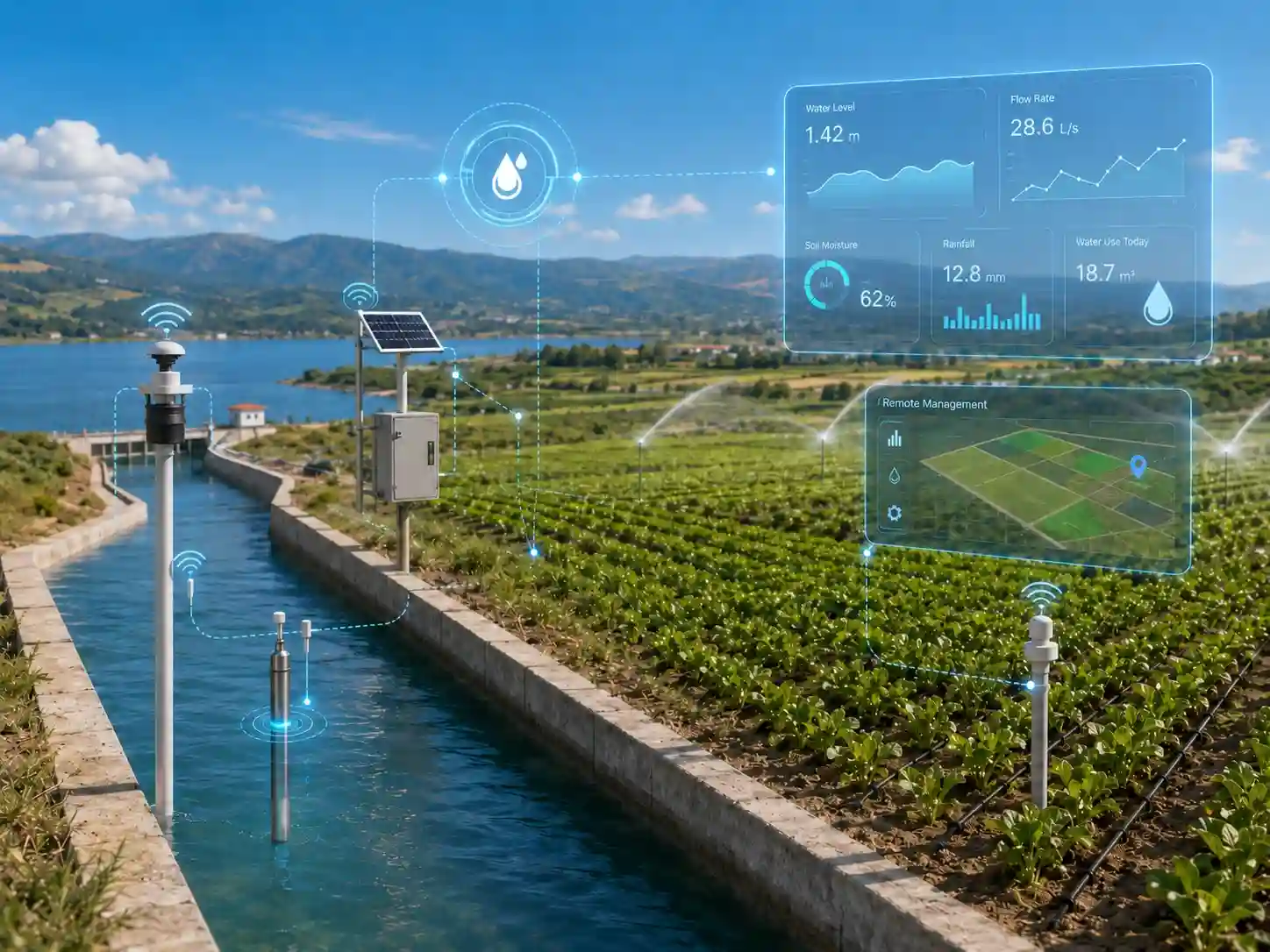
IoT-based smart irrigation canal monitoring solution consisting of water level sensor, flow meter, RTU, wireless communication and cloud platform enables better water distribution efficiency.
The system gathers real-time data from irrigation canals for districts, agriculture operators, and water management organizations to allocate water resources, limit water waste and make informed decisions.
Detailed Description
Revolutionize Canal Management with IoT Smart Water Solutions
Farmers rely on irrigation canals to transport water to their crops. However, many older canal systems still operate with manual patrols, occasional measurement and isolated operations.
It’s hard to have real-time awareness of water levels and flow conditions. Common problems associated with this management method are:
- Absence of flow data
- Inaccurate water distribution
- Slow reaction to changing water conditions
- Information overload from frequent site inspections
- Difficulty managing vast irrigation networks
IoT solutions for smart water management bridge on-site sensors, wireless connectivity and cloud software to monitor canal infrastructure continuously. Water level sensors, flow meters, RTUs and remote monitoring platforms are integrated to deliver water information from the field to operators.
JW-IoT offers sensor-to-cloud hardware and connectivity solutions for irrigation canal monitoring, agricultural water systems and smart water infrastructure.
Benefits of Smart Canal Management Solutions
Gain Accurate Water Information for Smarter Irrigation
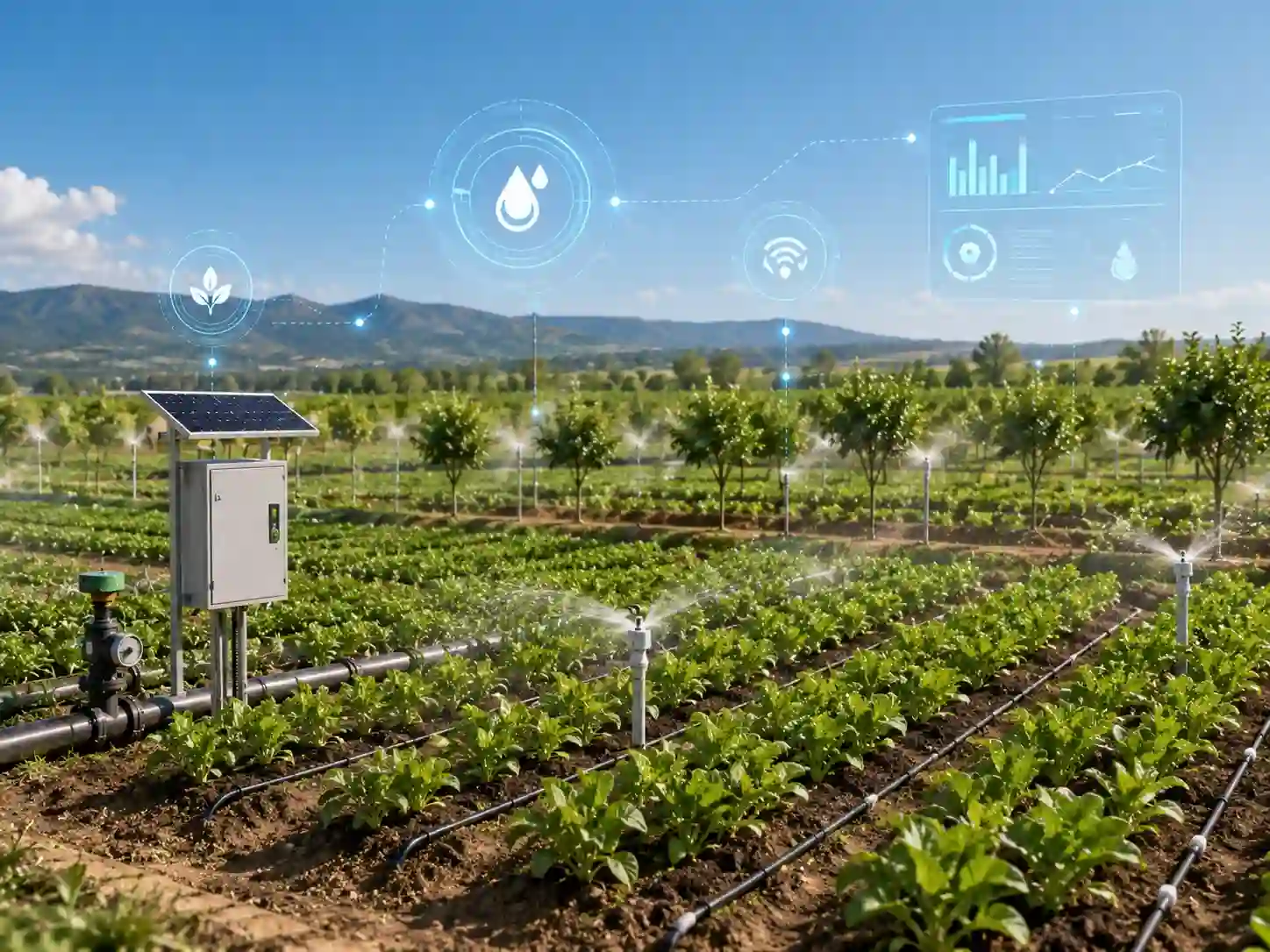
Old school canal patrols and check-ups only allow water managers to collect data at that moment in time. With a smart irrigation monitoring system, water managers can keep track of water level, flow rate, rainfall and canal operation status in real time.
Having access to accurate field data allows water managers to:
- Deliver water to farmland more precisely
- Limit water loss due to overflows or leakage
- Identify issues sooner
- Make better irrigation plans
- Streamline operations
Smart irrigation systems take water management from guesswork to accurate data driven decisions.
Examples of Inefficient Traditional Water Management
1. Lack of Real-Time Data
Can water managers see the current water level in the canal? What is the actual flow rate right now? How will a recent storm affect the canal’s water level?
Without remote monitoring, it’s difficult to have real-time awareness of water conditions.
2. Water Wasted Through Poor Allocation
Water allocation is difficult to balance across farms when done manually. Some areas may receive too much water while others don’t have enough. Operators also tend to overuse water due to inconsistent data.
3. Slow Reaction to Leaks, Overflow, etc.
Canal leaks, water theft, overflow, unusual flow rates, etc. can go unnoticed without regular surveillance. Depending on the size of the operation, inspections can take hours or days.
IoT sensors allow water managers to detect issues before they become bigger problems.
How IoT Enables Better Water Management?
IoT hardware and software collect & analyze field data to make better water management decisions
IoT technology for water management is comprised of a few key parts. Learn about each piece below.
1. IoT Sensors Gather Field Data
IoT sensors deployed at water management sites record:
- Current water levels
- Rate of flow
- Rainfall detection
- Environmental conditions
2. Wireless Connectivity Transmits Sensor Data
RTUs, data loggers and gate controllers send information to the cloud through:
- 4G/LTE Networks
- LoRaWAN
- RS485 Modbus
- MQTT
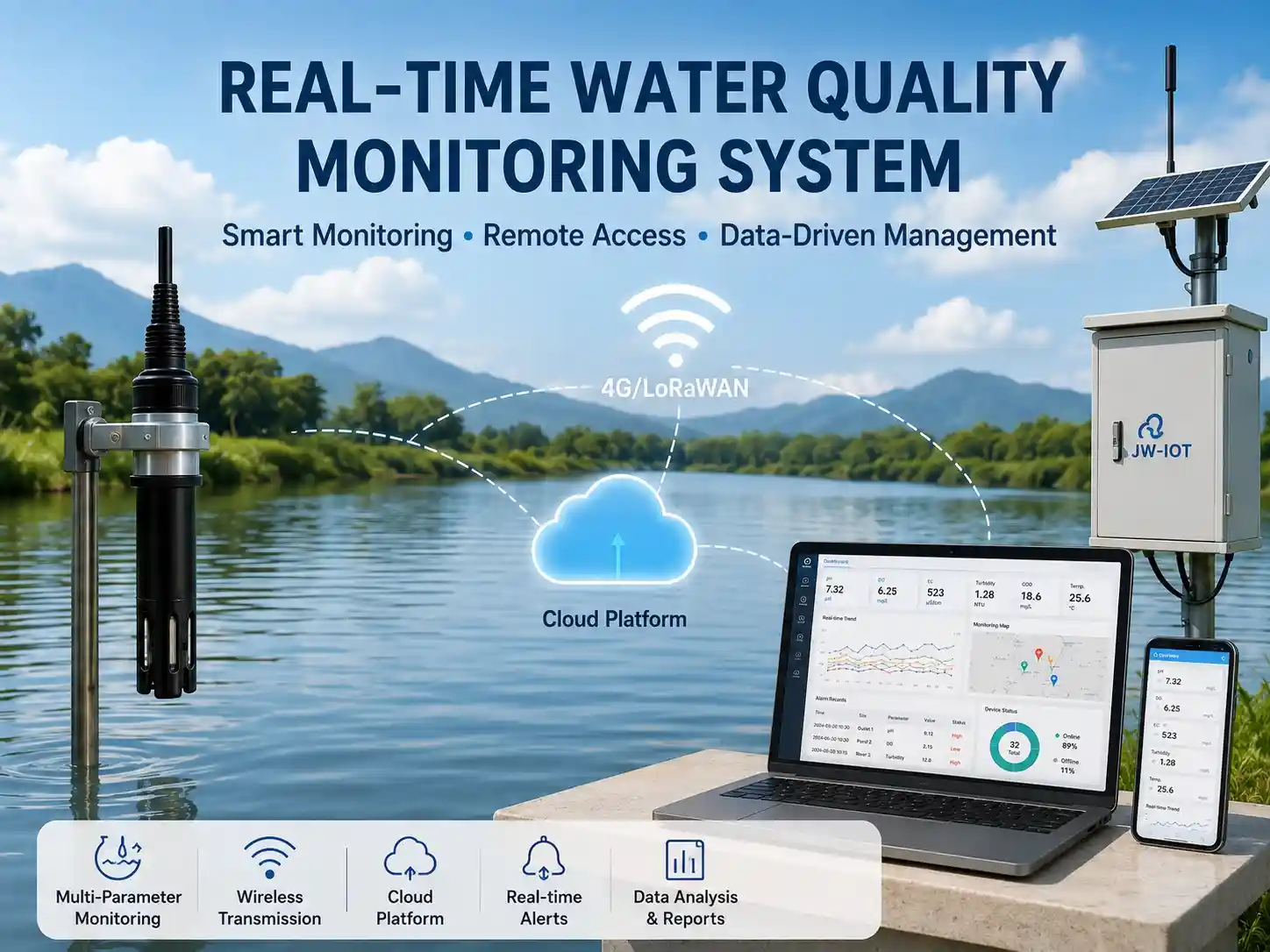
3. Cloud Software Stores and Processes Data
Cloud platforms provide water managers a place to:
- Visualize real-time and historical data
- Monitor & control field devices remotely
- Receive alert notifications
- Check the status of multiple sites at once
Growers can use the collected data to better allocate water resources, improve irrigation schedules and reduce time spent on site inspections.
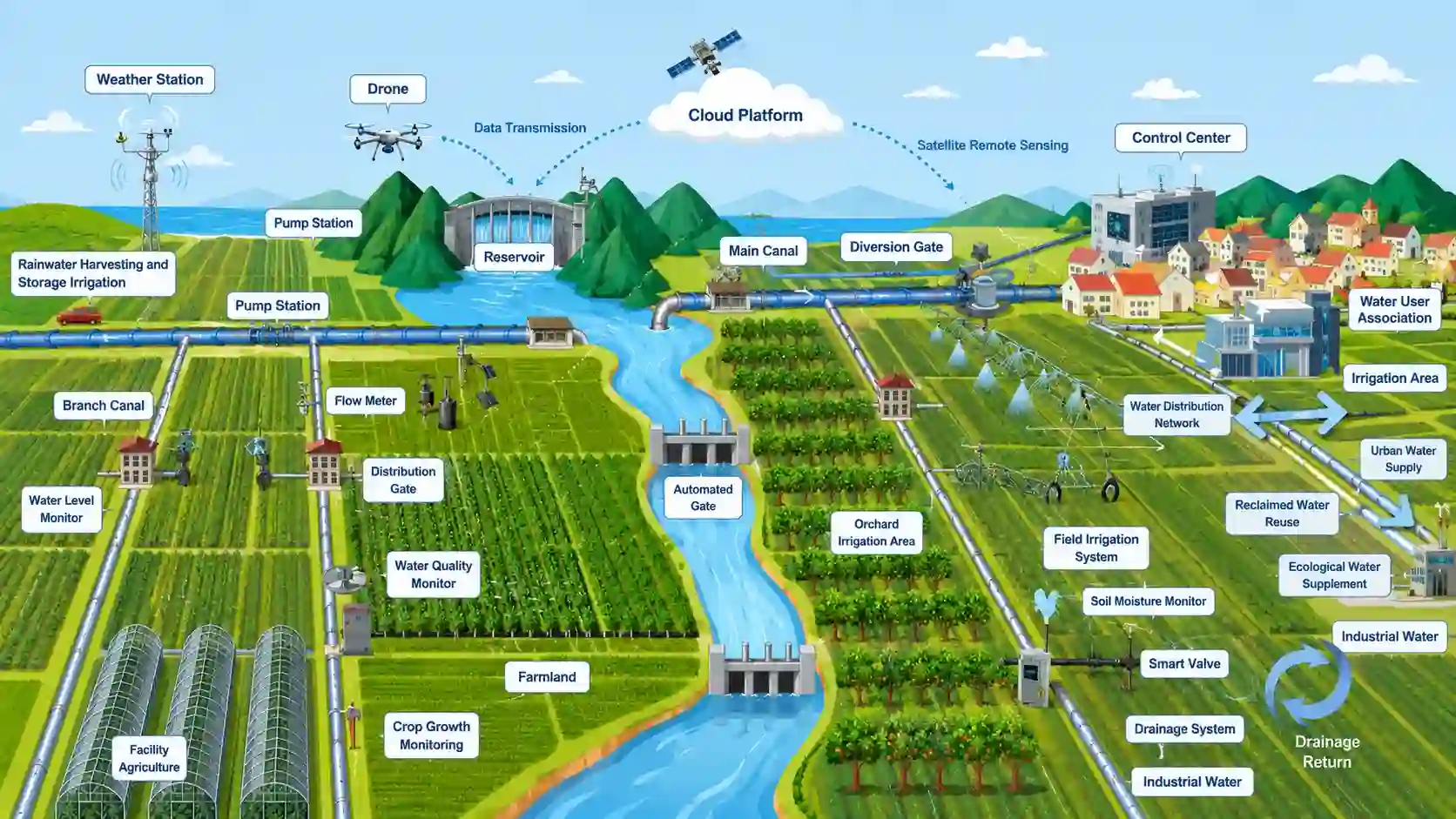
IoT Architecture for Smart Canl Water Management
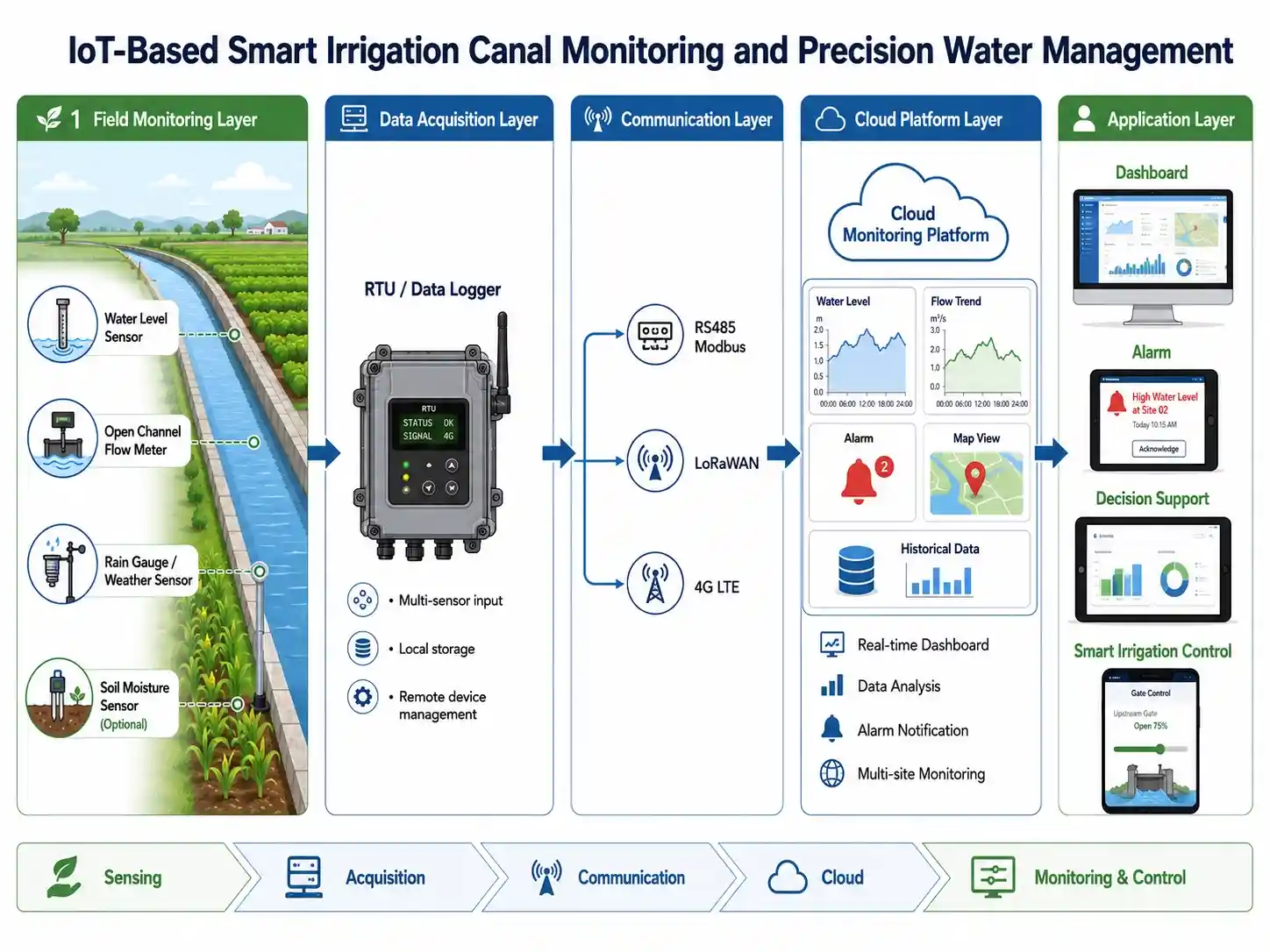
Sensors collect real-time data from irrigation canals and transmit information through IoT communication networks. An open channel flow monitoring system can help measure water flow, analyze distribution efficiency and support precision water management.
IoT Canal Monitoring Solution Components
1. Monitoring Water Level
Real-time information on canal water level status can be achieved with water level sensors.Non-contact radar water level sensors provide accurate water level measurement for irrigation canals, reservoirs and water distribution networks.
Uses:
- Irrigation canal
- Flood warning
- Dam release control
- Water resource monitoring
2. Monitoring Flow
Flow measurement can help analyze performance of water distribution.
Benefits of a canal flow monitoring system include measuring:
- Velocity
- Discharge
- Efficiency
JW-IoT offers open channel flow monitoring solutions for irrigation canals, drainage ditches and water resource monitoring.
3. Remote Data Logger (RTU)
RTUs and data loggers allow for accurate remote data collection in the field.
Capabilities include:
- Multi-sensor support
- Wireless connectivity
- Local data logging
- Device management
- Low power consumption
Communication Network
Different communication methods can be selected according to project conditions.
Supported options include:
| Communication | Application |
| 4G LTE | Remote irrigation areas |
| LoRaWAN | Large agricultural networks |
| RS485 Modbus | Industrial sensor integration |
| MQTT | Cloud platform communication |
Traditional Canal Management vs IoT Water Management
| Feature | Traditional Management | IoT-Based Water Management |
| Data Collection | Manual measurement | Automatic sensing |
| Monitoring Frequency | Periodic inspection | Real-time monitoring |
| Response Speed | Slow | Fast |
| Data Storage | Manual records | Cloud database |
| Management Scale | Limited areas | Multiple remote sites |
| Decision Making | Experience-based | Data-driven |
Applications of IoT Canal Monitoring
1. Irrigation Districts
IoT-based canal monitoring systems are suitable for monitoring various types of water conveyance facilities, including:
- Main canals
- Branch channels
- Field water networks
IoT canal monitoring allows operators to gain a better understanding of agricultural water use, helping them improve irrigation efficiency.
IoT-based irrigation monitoring has already been applied in digital agriculture projects, including smart rice farming systems that combine field sensors, irrigation management and cloud platforms.
2. Smart Agriculture Water Management
IoT-based water monitoring can connect to:
- Weather stations
- Soil moisture sensors
- Smart irrigation controllers
- Agricultural IoT platforms
Farmers can use water data to enable precision irrigation that’s customized to actual environmental conditions.
3. Water Conservancy
IoT water monitoring solutions are also applied in water resource management, including:
- Regional water allocation
- Reservoir discharge monitoring
- Ecological water regulation
- Remote hydrological monitoring
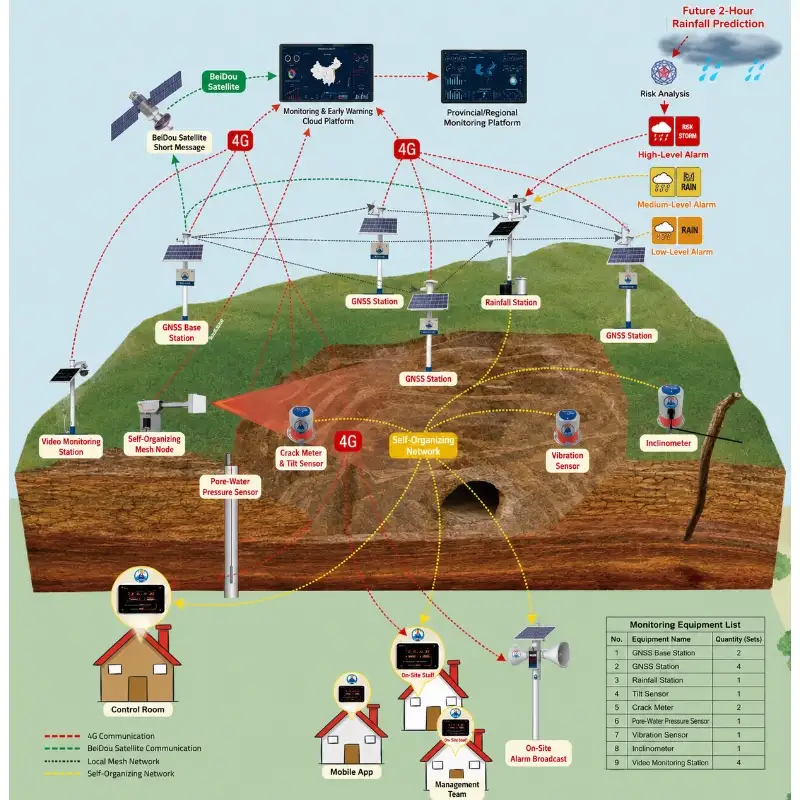
4. Flood Monitoring and Emergency Warning
IoT-based water level monitoring and communication enables real-time water data collection. Combined with customized software, alerts can be issued when water levels are too high or too low.
Benefits of JW-IoT Smart Canal Monitoring Solutions
1. Real-Time Monitoring: Fetch water conditions any time with cloud-hosted platforms.
2.Monitored Remotely: Reduce frequent visits to irrigation sites with remote monitoring capabilities.
3. Flexible Communication Options: Support LoRaWAN, 4G LTE, RS485 Modbus and MQTT for flexible integration options.
4. Scalable: Deploy IoT monitoring for small farms as well as large-scale water networks.
5. Customized System Solutions: JW-IoT supports sensor selection, hardware customization, platform integration and OEM projects.
Related Solution: Smart Irrigation Monitoring System
IoT-based canal monitoring can be paired with smart irrigation controllers to offer farmers a comprehensive solution to build precision agriculture water management systems.
By integrating:
- Soil moisture sensors
- Weather stations
- Water level sensors
- Flow meters
- Irrigation controllers
farmers can use real-time environmental data to help make more informed irrigation decisions.
FAQ
1. What is IoT canal monitoring?
IoT-based canal monitoring uses sensors, wireless communications and IoT platforms to automatically collect and analyze water data from remote locations.
2. Why should I care about smart canal monitoring?
Remote water level monitoring allows you to have access to water data in real-time. This data can help increase irrigation efficiency, reduce water loss and support better farm management decisions.
3. What sensors are used for canal monitoring?
Popular water sensors for canal include:
- Water level sensor
- Flow meter
- Rain gauge
- Weather station
4.Can IoT canal monitoring systems be used in remote areas?
Yes. LoRaWAN and cellular communication such as 4G LTE can be used to build IoT monitoring systems in locations that don’t have traditional network infrastructure.
5. Which communication protocols does your company support?
JW-IoT supports the following communication protocols:
- RS485(Modbus)
- LoRaWAN
- 4G LTE
- MQTT
6.Can the sensors connect to the cloud?
Yes. JW-IoT has a full sensor-to-cloud solution with customizable dashboards featuring remote monitoring, notification and data management capabilities.
7.How can IoT help with precision irrigation?
IoT-based monitoring allows farmers to use real-time water data to improve their irrigation schedules and distribution efficiency.
8. Does your company provide customized irrigation solutions?
Yes. In addition to selecting sensors and communication modules, we also support customized hardware, software integration and OEM projects.
9. What industries can use IoT-based water management systems?
- Agriculture
- Irrigation Districts
- Water Conservancy
- Environment
- Water Department