+86 13520127780
  info@jingelway.com








Smart Irrigation System for Wheat and Date Palm Farms in UAE
Release time: 2026-04-14
In arid agricultural regions such as Al Ain, United Arab Emirates, farms face persistent challenges including limited freshwater resources, high irrigation demand, soil salinization, and inefficient manual irrigation practices.
Traditional irrigation methods often rely on farmer experience rather than real-time soil data. This can lead to two common problems:
- Over-irrigation, causing unnecessary water consumption and nutrient loss
- Under-irrigation, resulting in root stress, uneven crop growth, and lower yields
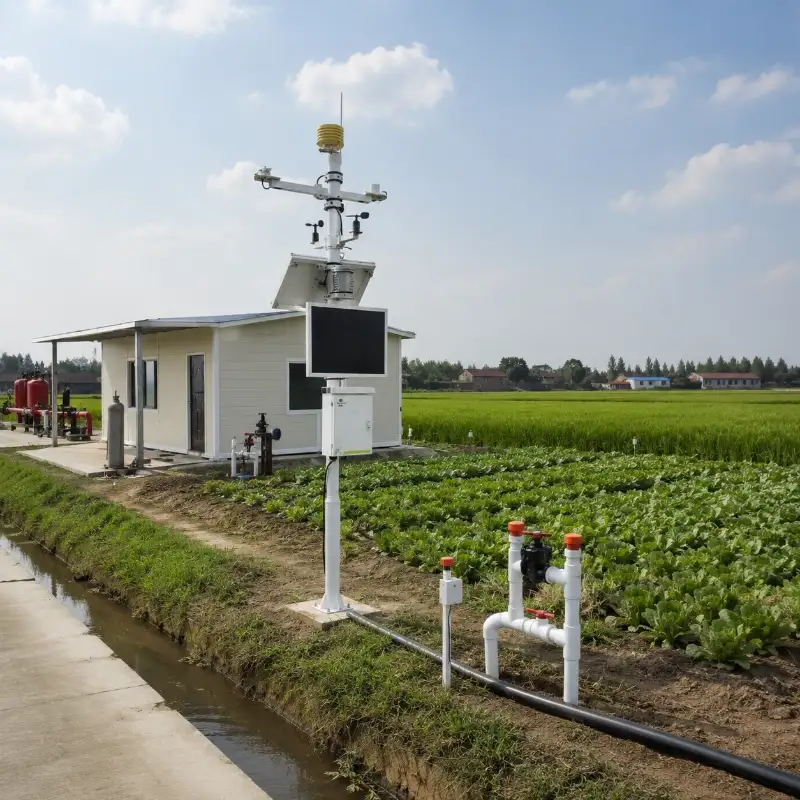
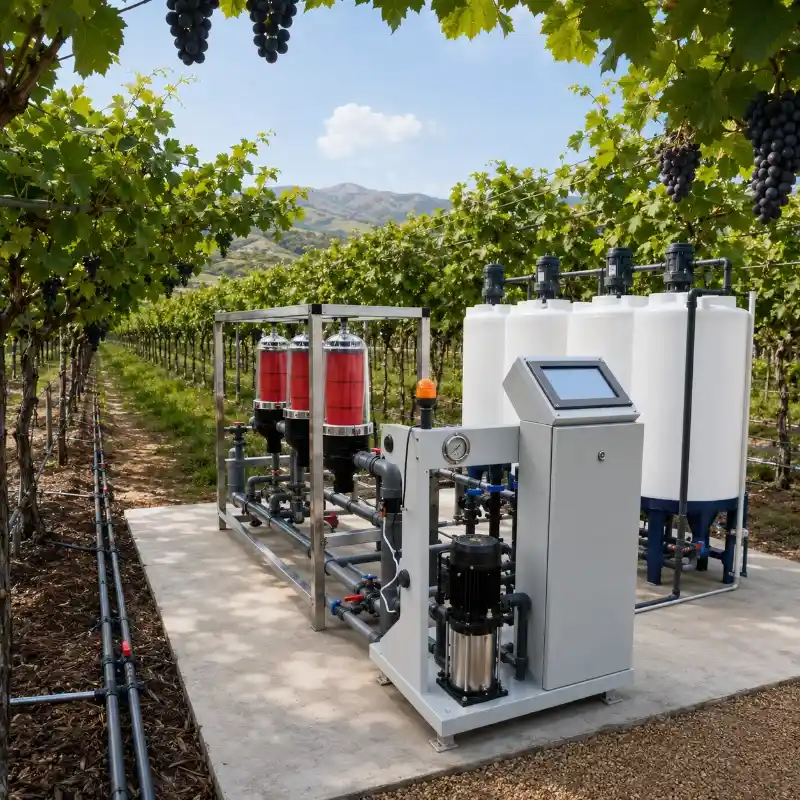
To support more sustainable farming, a smart agriculture project was implemented for local farms growing wheat, tomatoes, and date palms. The solution combined:
- Soil moisture and salinity monitoring stations
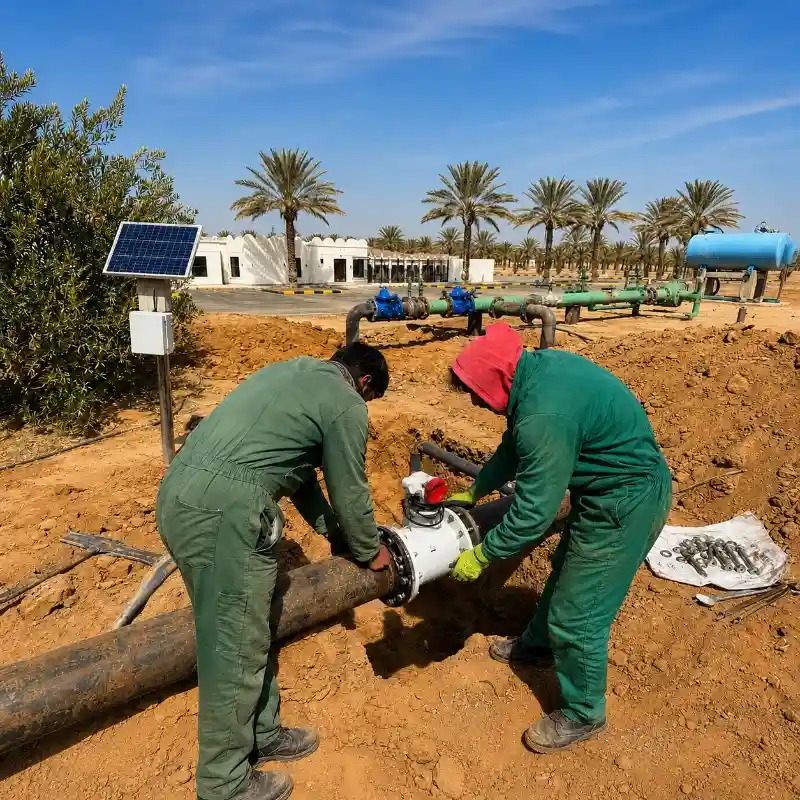
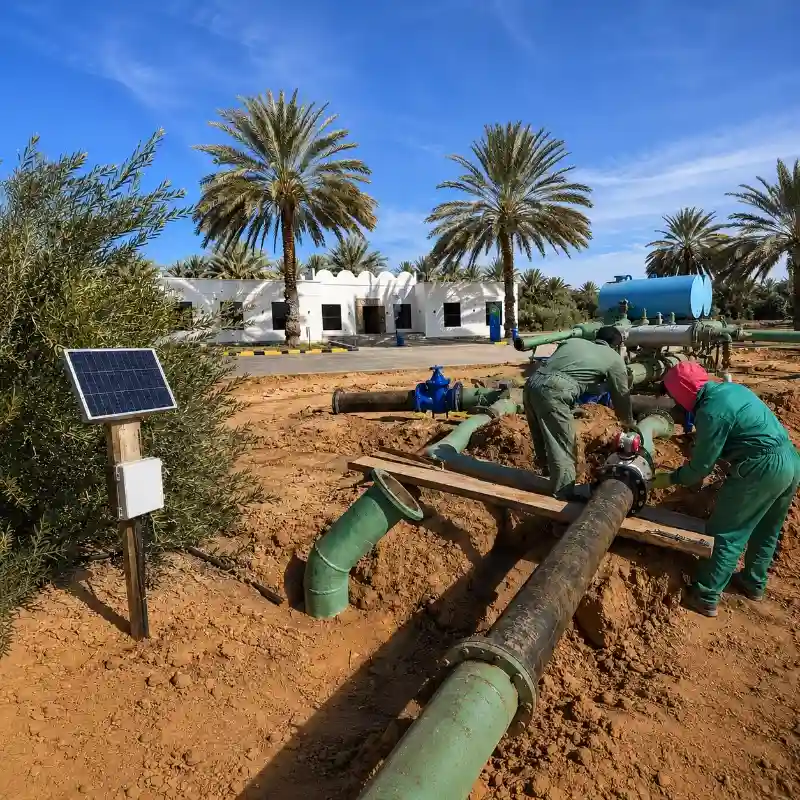
- IoT-based remote irrigation control valves
- Electromagnetic flow meters
- Cloud-based data visualization and irrigation management platform
The project created a closed-loop workflow of:
Data Collection → Irrigation Analysis → Remote Control → Water Usage Measurement
Project Challenges
Key Pain Points in Desert Farm Irrigation
1. Severe Water Scarcity
Agricultural irrigation in desert regions relies heavily on groundwater or limited water resources. Farms need to precisely manage every cubic meter of water.
2. Uneven Soil Moisture Distribution
Surface soil may appear wet while deeper root zones remain dry. Manual inspection cannot accurately reflect water availability across different soil depths.
3. Soil Salinity Accumulation
Improper irrigation scheduling may accelerate salt accumulation, negatively affecting crop root development and long-term soil productivity.
4. Lack of Water Consumption Records
Without flow measurement, farm managers cannot accurately evaluate water usage, irrigation efficiency, or crop-level water productivity.
JW-IoT Smart Agriculture Solution
A Three-in-One Precision Irrigation System
The project deployed a fully integrated smart irrigation solution centered on:
- Soil Moisture Monitoring Stations
- IoT Remote Control Irrigation Valves
- Electromagnetic Flow Meters
Together, these devices enabled farms to move from experience-based irrigation to data-driven irrigation decisions.
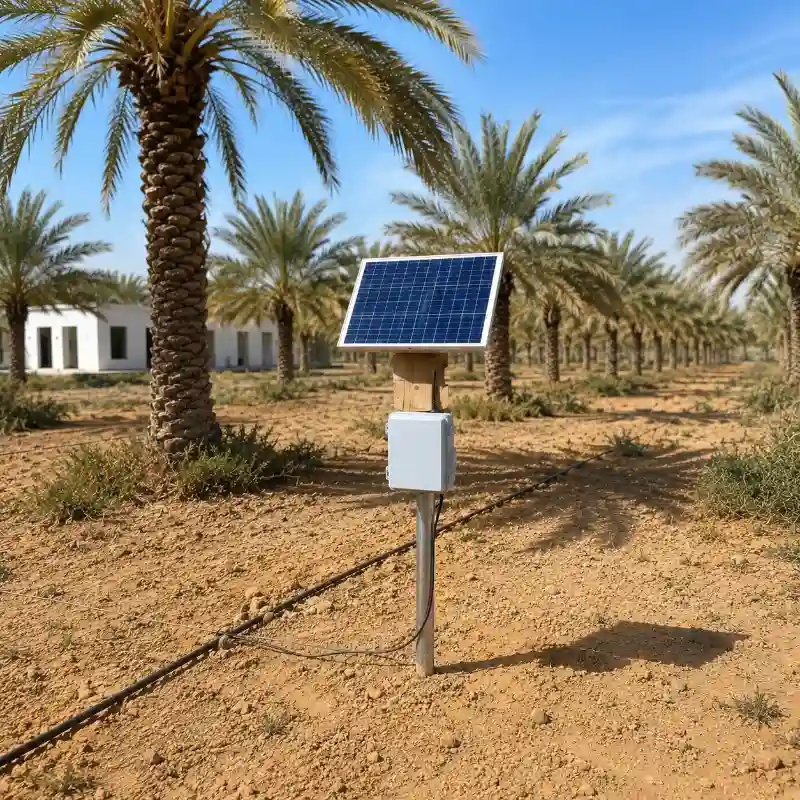
1. Soil Moisture Monitoring Station
Real-Time Insight into Underground Soil Conditions
The soil monitoring station acts as the “eyes” of the irrigation system. Sensors are installed at underground depths of approximately 30–50 cm, continuously collecting key soil parameters, including:
- Soil moisture
- Soil temperature
- Electrical conductivity
- pH value
The data is uploaded to the cloud platform at regular intervals, allowing farm managers to observe soil conditions remotely.
Core Value
Instead of judging irrigation timing by visually checking the soil surface, operators can accurately understand:
- Water distribution in the root zone
- Salt accumulation trends
- Soil moisture variation at different depths
- Potential irrigation demand over the next several hours
Application Example
In a wheat cultivation area, monitoring data showed that the upper soil layer still retained moisture, while the deeper root zone had already entered a water-deficient state. The system triggered a deep-zone irrigation recommendation, helping avoid crop root dehydration and unnecessary surface overwatering.
2. IoT Remote Control Irrigation Valve
Let Every Drop of Water Follow Data
The IoT irrigation valve serves as the “hands” of the system. It supports remote control through a PC dashboard or mobile application, enabling operators to:
- Open or close valves remotely
- Adjust irrigation duration
- Control irrigation by crop zone
- Respond to soil moisture alerts in real time
Unlike traditional electric valves that only support simple on/off switching, the project used valves with 0–100% adjustable opening control, allowing more precise irrigation management.
Technical Highlights
The system automatically adjusts irrigation strategies according to crop growth stages. For example:
- Wheat seedling stage: lower water requirement
- Tomato fruit expansion stage: increased irrigation demand
- Date palm high-temperature periods: longer but controlled irrigation cycles
Combined with flow meter data, the system enables on-demand irrigation instead of fixed-time irrigation.
3. Electromagnetic Flow Meter
A Digital Water Ledger for Every Farm
The electromagnetic flow meter works as the system’s “accountant”, recording actual irrigation water consumption with high measurement accuracy.
It helps farm managers:
- Monitor irrigation flow in real time
- Compare water usage across crop zones
- Identify pipeline leakage or abnormal flow
- Generate irrigation consumption reports
- Evaluate water-use efficiency per hectare
Practical Benefits
Before installation, farms often faced hidden losses caused by pipeline leakage, over-irrigation, or manual operation errors. After the flow monitoring system was introduced, water consumption became visible and traceable, supporting better irrigation planning and maintenance management.
Integrated Platform Functions
From Field Monitoring to Digital Irrigation Management
The cloud platform provides centralized visualization and decision support for farm managers.
Main Functions
- Real-time soil condition dashboard
- Irrigation valve remote control
- Water consumption statistics
- Moisture threshold alerts
- Historical trend analysis
- Crop-zone comparison reports
- Irrigation strategy optimization
By integrating sensing, control, and measurement into one system, the farm achieved a smarter operational model for precision irrigation in arid environments.
Project Results
Measurable Improvements After Deployment
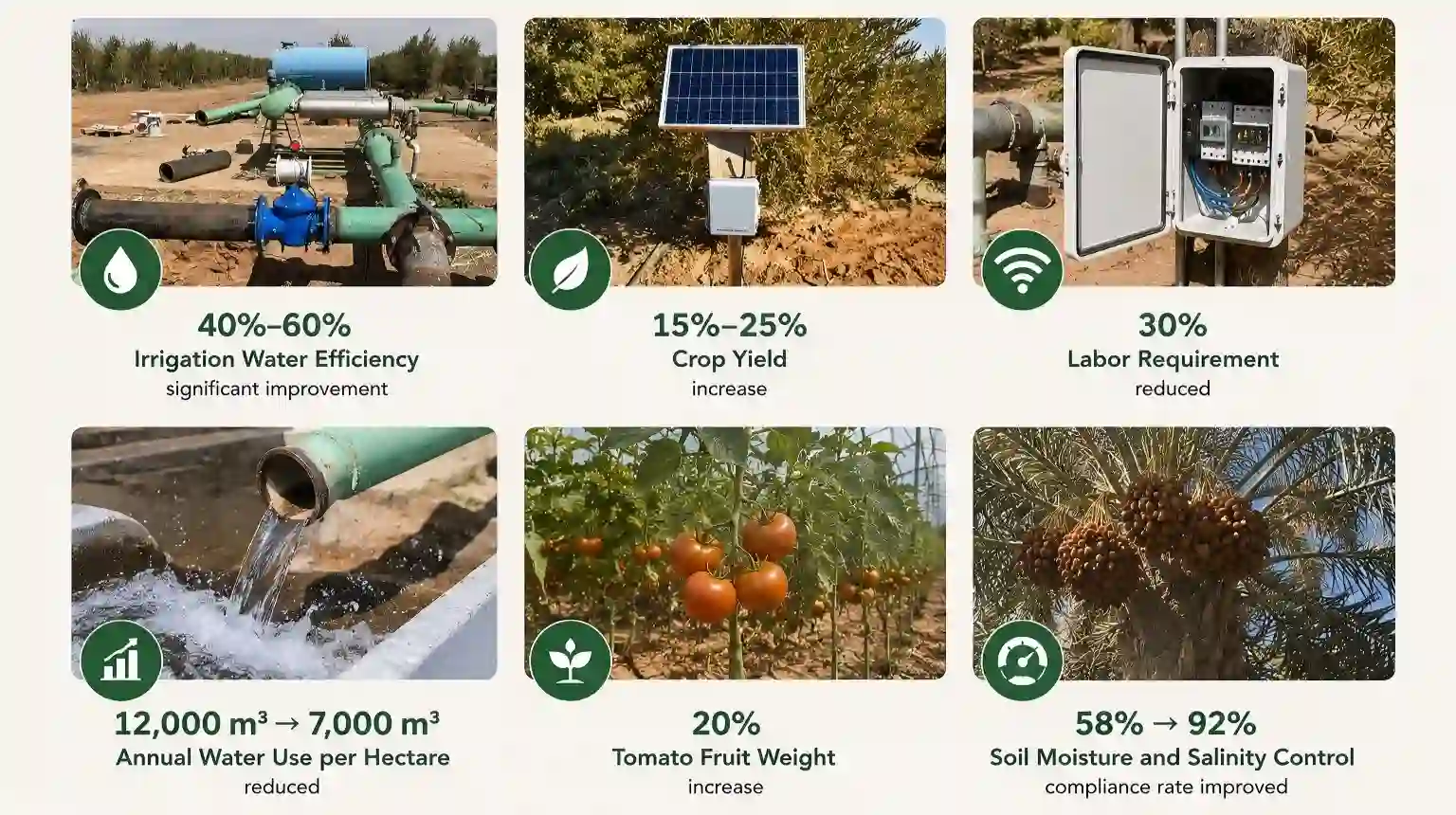
Following the implementation of the smart irrigation solution, the participating farms achieved clear operational improvements:
Why This Solution Works for Middle East and Arid Agriculture
This project demonstrates how precision irrigation can help farms in water-scarce regions improve productivity while reducing resource waste.
Key Advantages
Durable for Harsh Outdoor Environments
The solution is suitable for hot, dusty, and high-radiation agricultural areas. Equipment can be configured with:
- Corrosion-resistant enclosures
- High-protection sensor structures
- Outdoor-ready communication modules
- Long-term field deployment capability
Flexible Deployment for Different Farm Sizes
The system supports phased implementation:
- Basic Version: Single monitoring point + manual irrigation management
- Advanced Version: Multi-zone monitoring + remote valve control
- Integrated Version: Soil data + automated irrigation + flow measurement + cloud analytics
Suitable Crop Scenarios
The solution can be adapted for:
- Wheat farms
- Date palm plantations
- Tomato and vegetable cultivation
- Greenhouses in arid regions
- Orchards and high-value crop plantations
Conclusion
A Practical Smart Irrigation Model for Desert Farming
The Al Ain smart irrigation project shows that modern agriculture in arid regions does not depend only on increasing water supply. More importantly, it requires precise monitoring, intelligent control, and measurable water management.
By combining soil moisture monitoring, IoT irrigation valves, and electromagnetic flow meters, JW-IoT helps farms build a complete digital irrigation loop that improves:
- Water-saving performance
- Crop productivity
- Irrigation accuracy
- Farm management efficiency
This model provides a scalable reference for smart agriculture projects across the Middle East, North Africa, Central Asia, and other water-scarce farming regions.