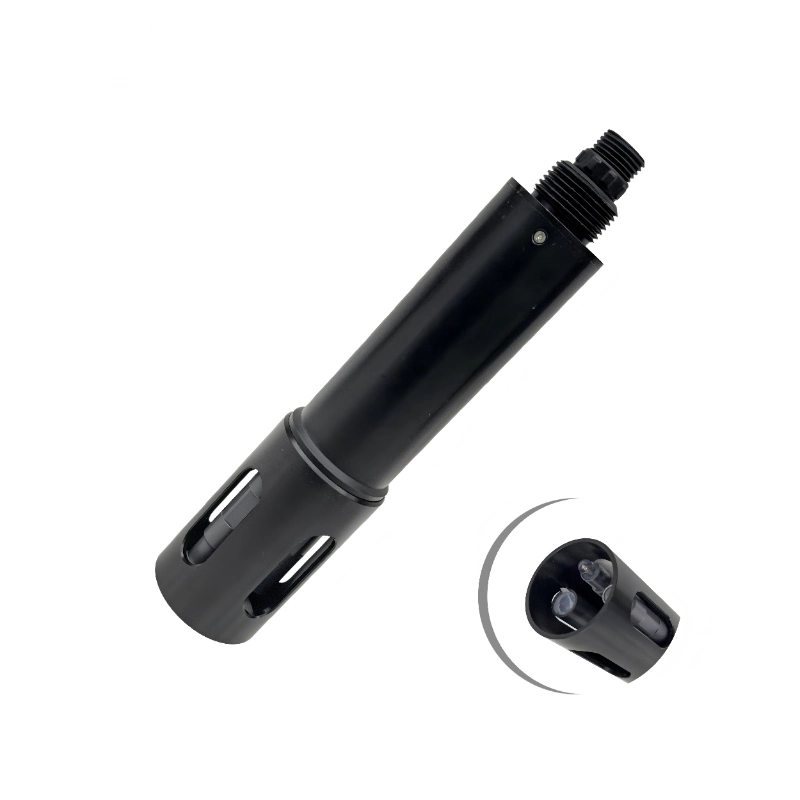
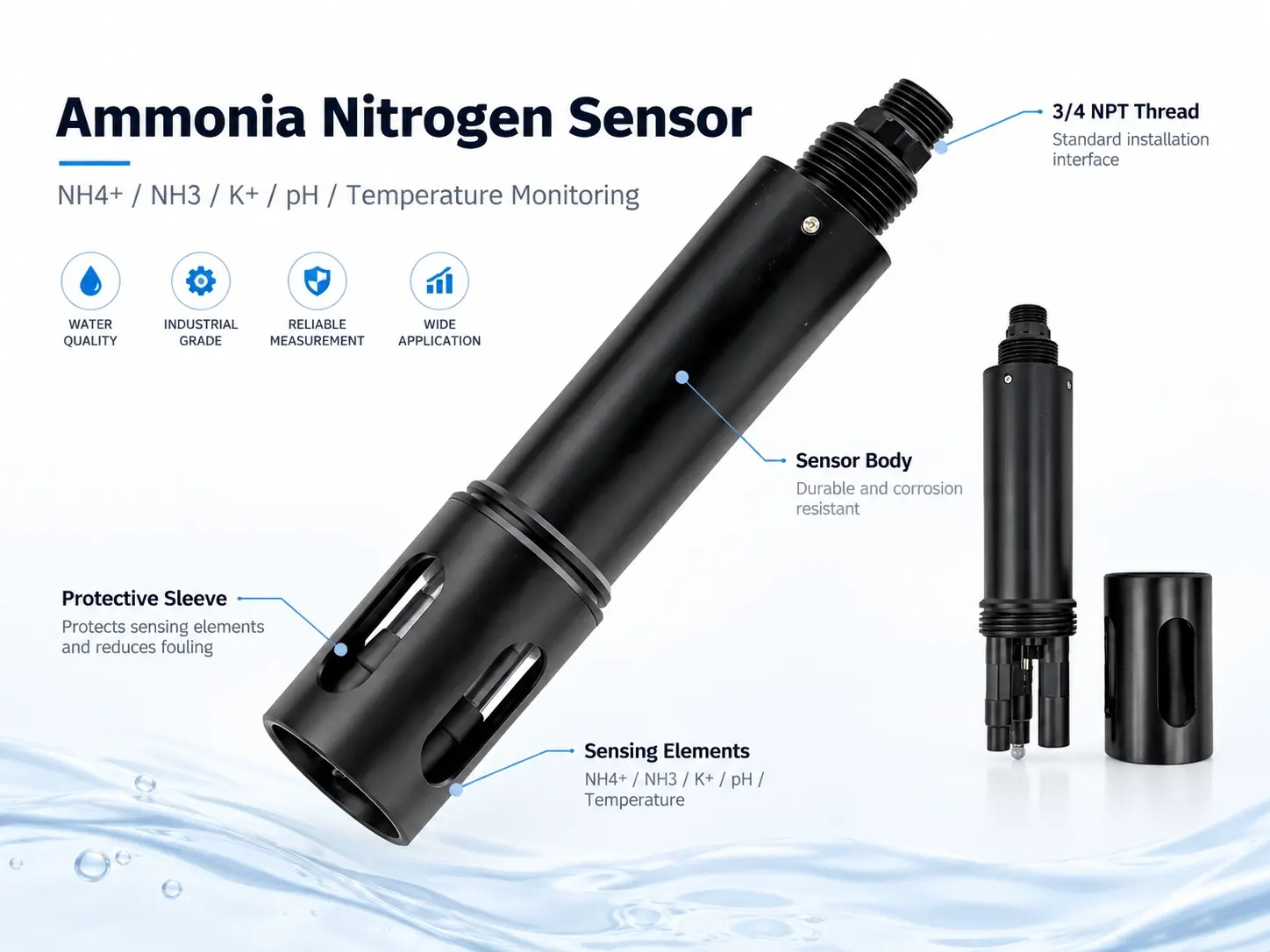
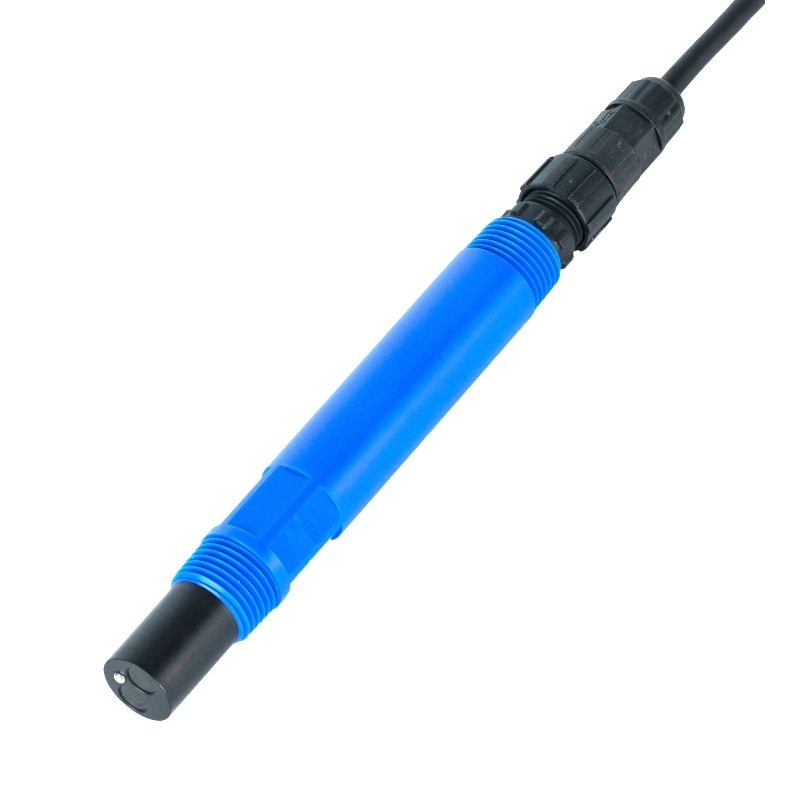
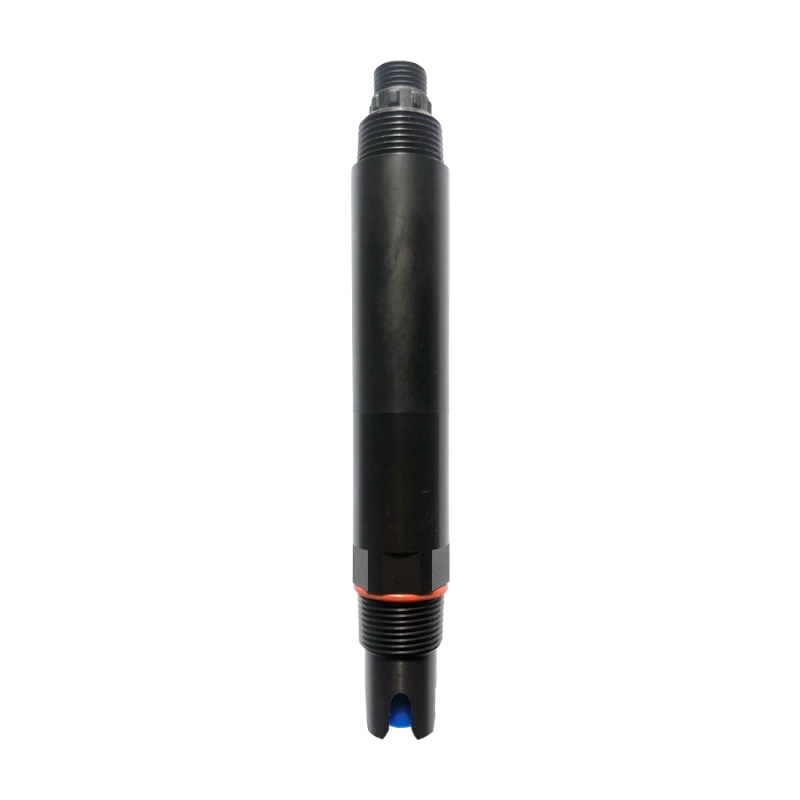
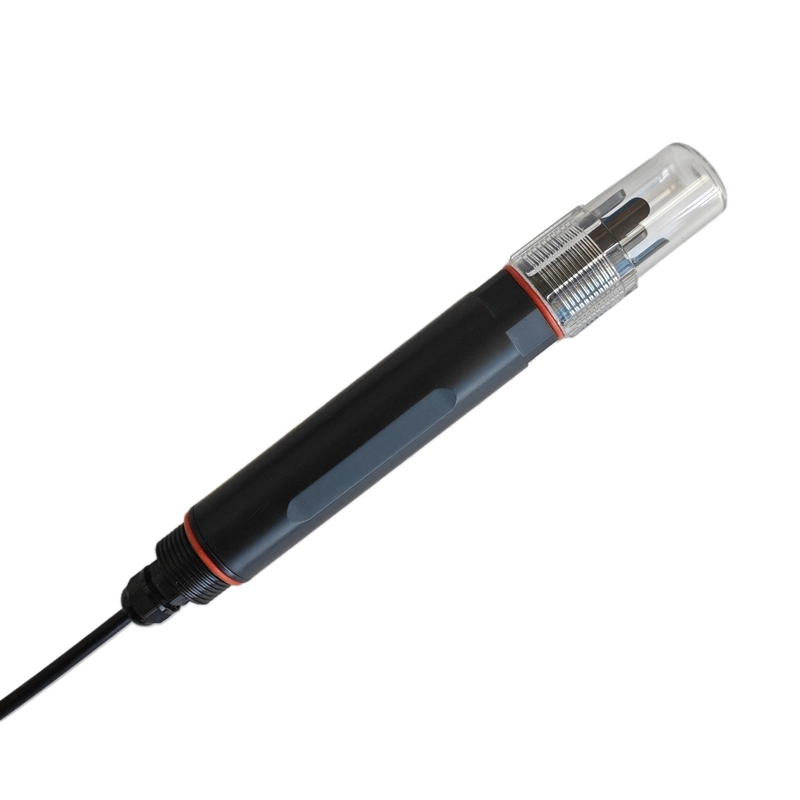
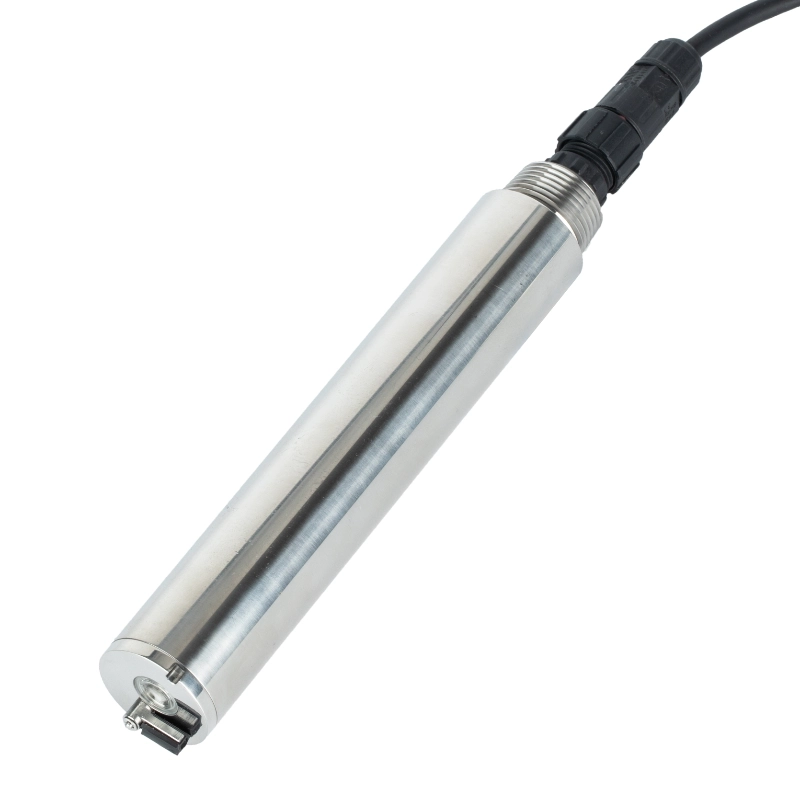
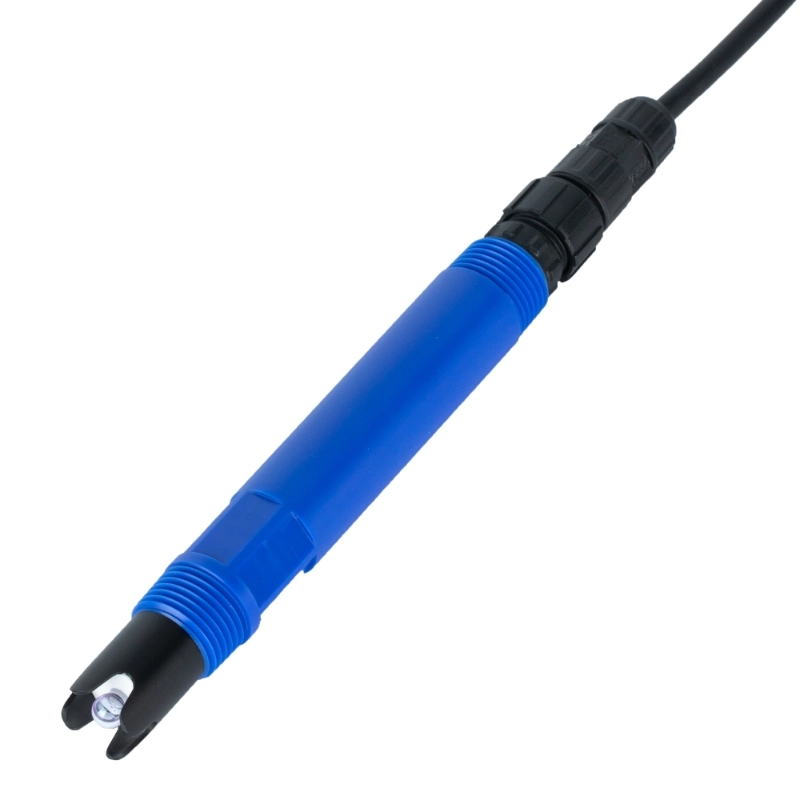
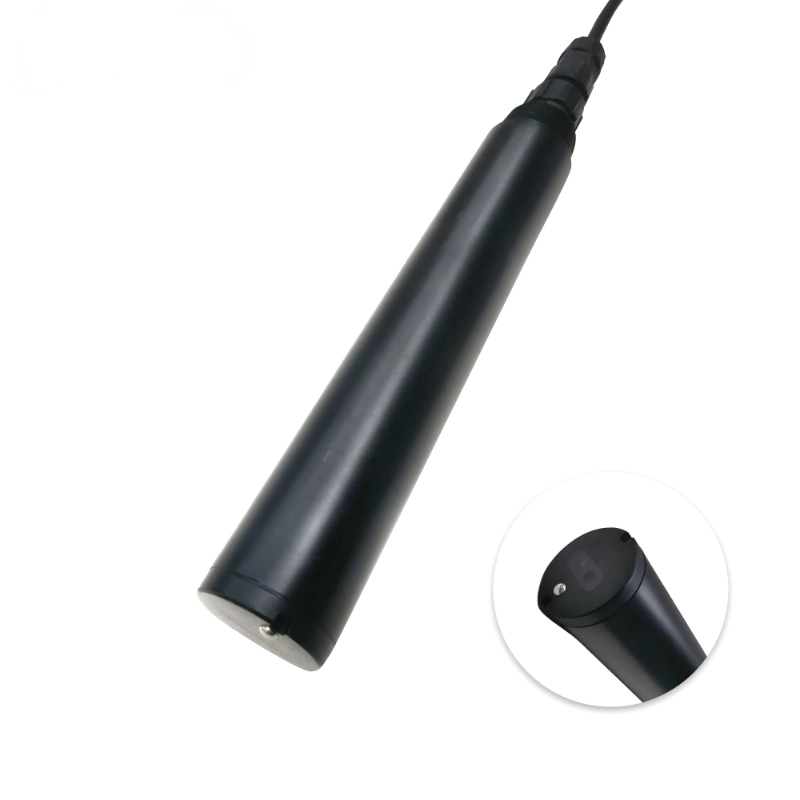
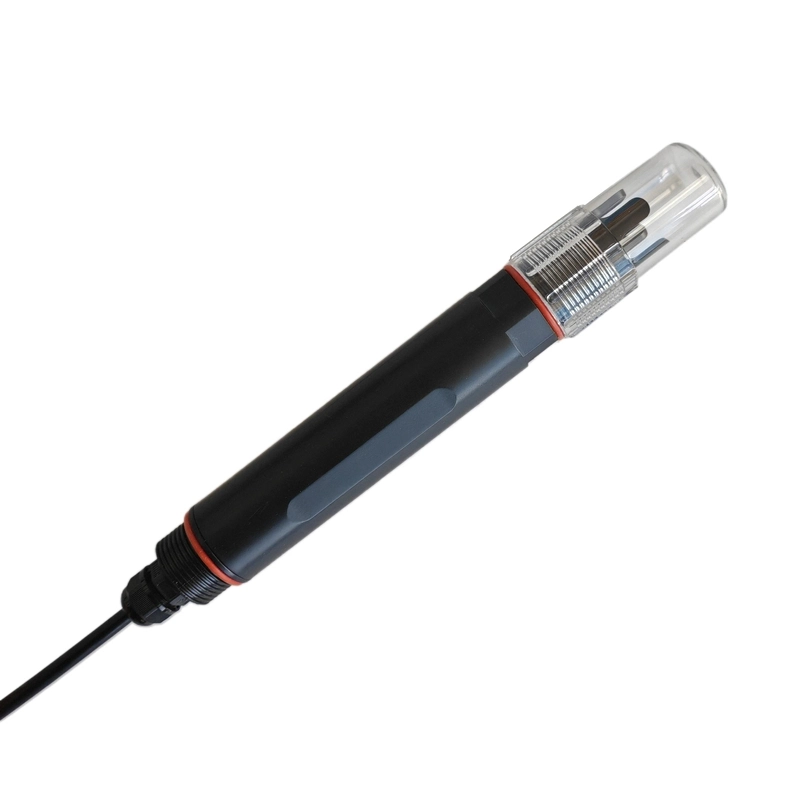
Он Датчик аммиачного азота JW-NHN-302(K16) предназначен для непрерывного онлайн-мониторинга. NH4+, NH3, K+, pH и температура в применении для очистки сточных вод, аквакультуры, очистки воды для нужд окружающей среды и промышленных целей.
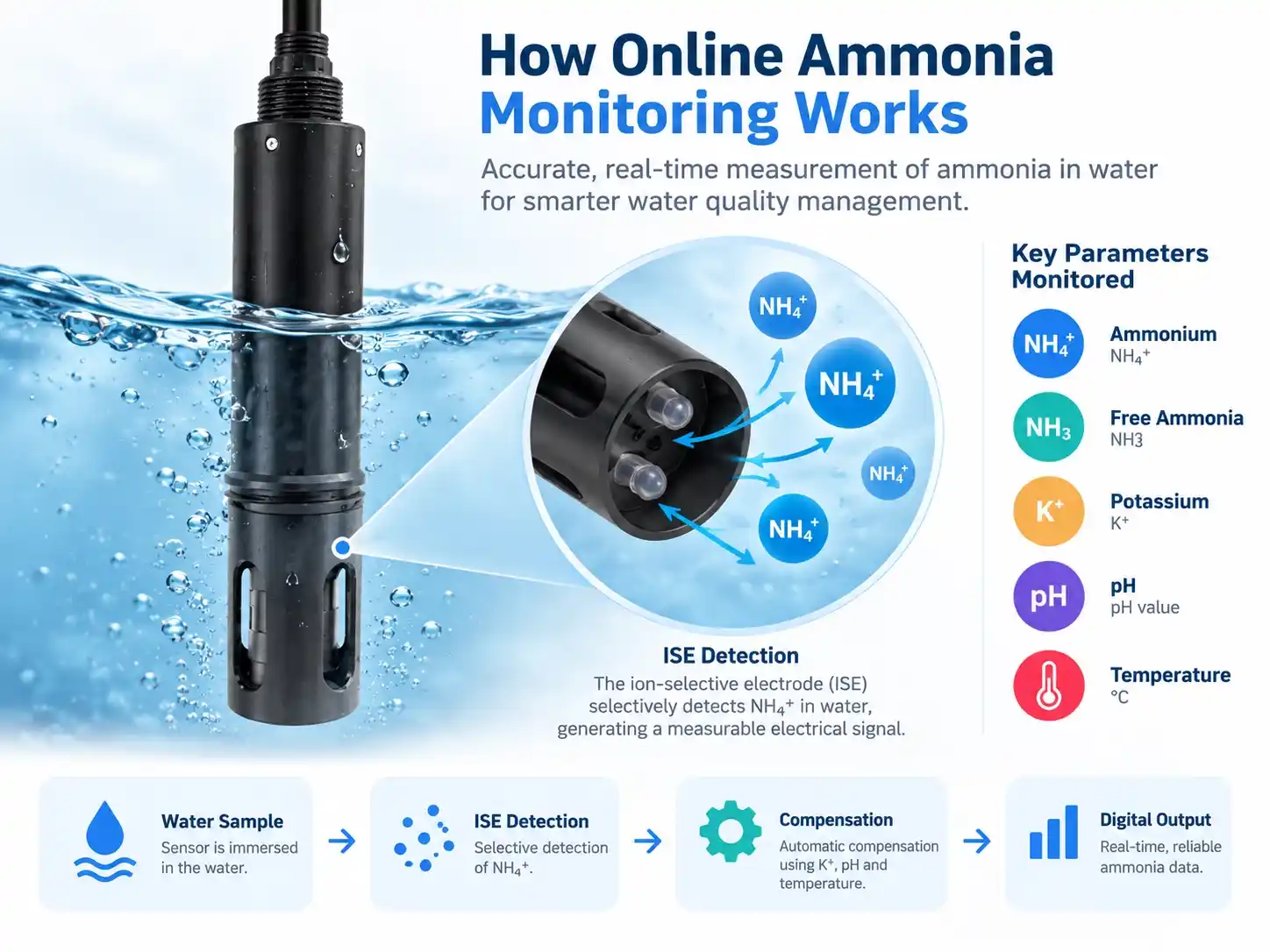
На основе ионоселективный электрод (ИСЭ) Метод измерения, при котором датчик напрямую измеряет ионы аммония, сочетает автоматическую температурную компенсацию, компенсацию pH и компенсацию ионов калия, что позволяет получать более полезные данные о качестве воды, связанные с аммиаком, в условиях изменяющейся местности.
С RS485 Modbus RTU, Благодаря степени защиты от воды IP68 и монтажному интерфейсу 3/4 NPT, датчик может быть подключен к ПЛК, RTU, системам DCS, регистраторам данных, шлюзам IoT и платформам удаленного мониторинга качества воды.
Что такое датчик аммиачного азота?
Датчик аммиачного азота — это прибор для мониторинга качества воды, работающий в режиме онлайн и используемый для непрерывного контроля содержания азота, связанного с аммиаком, в воде.
Прибор JW-NHN-302(K16) использует ионоселективный электрод для измерения NH4+ и объединяет результаты измерения с данными по NH3, калию, pH и температуре.
Этот многопараметрический подход обеспечивает дополнительный контекст для применений, где условия содержания аммиака могут меняться со временем, таких как очистка сточных вод, системы аквакультуры, реки, озера и промышленная водоочистка.
Вместо того чтобы полагаться только на периодический ручной отбор проб, онлайн-датчик может непрерывно передавать данные на RTU, PLC, SCADA-систему или облачную платформу для анализа тенденций, оповещения и удаленного мониторинга.
Обзор продукта
JW-NHN-302(K16) — это многопараметрический онлайн-датчик аммиачного азота, разработанный для непрерывного мониторинга качества воды.
Датчик использует ПВХ-мембранный аммоний-ион-селективный электрод для обнаружения NH4+. Помимо аммония, он отслеживает:
свободный аммиак NH3;
ион калия K+;
pH;
температура.
Интегрированные функции компенсации помогают учитывать важные переменные, влияющие на измерение аммиака в режиме реального времени.
В систему включена автоматическая температурная компенсация Pt1000, а также компенсация pH в диапазоне 4–10 и компенсация ионов калия в диапазоне 0–1000 мг/л.
Интерфейс RS485 Modbus RTU позволяет подключать датчик к промышленному оборудованию и устройствам мониторинга IoT, включая:
Системы ПЛК;
системы DCS;
RTU;
блоки сбора данных;
промышленные компьютеры;
IoT-шлюзы;
онлайн-платформы для оценки качества воды.
Корпус из ПВХ и ПОМ, степень защиты IP68 и монтажный интерфейс 3/4 NPT делают датчик пригодным для длительного подводного мониторинга при условии соблюдения требований к установке и техническому обслуживанию.
Автоматическая температурная компенсация с помощью Pt1000
Компенсация pH
4–10 pH
Компенсация K+
от 0 до 1000 мг/л
Выходной сигнал
RS485 Modbus RTU
Температура хранения
от -5 до 65°C
Рабочее состояние
от 0 до 35°C, менее 0,1 МПа
Материалы для корпуса
ПВХ и ПОМ
Способ установки
Монтаж погружного типа, резьба 3/4 NPT
Потребление электроэнергии
0,5 Вт при 12 В
Источник питания
12–24 В постоянного тока
Степень защиты
IP68
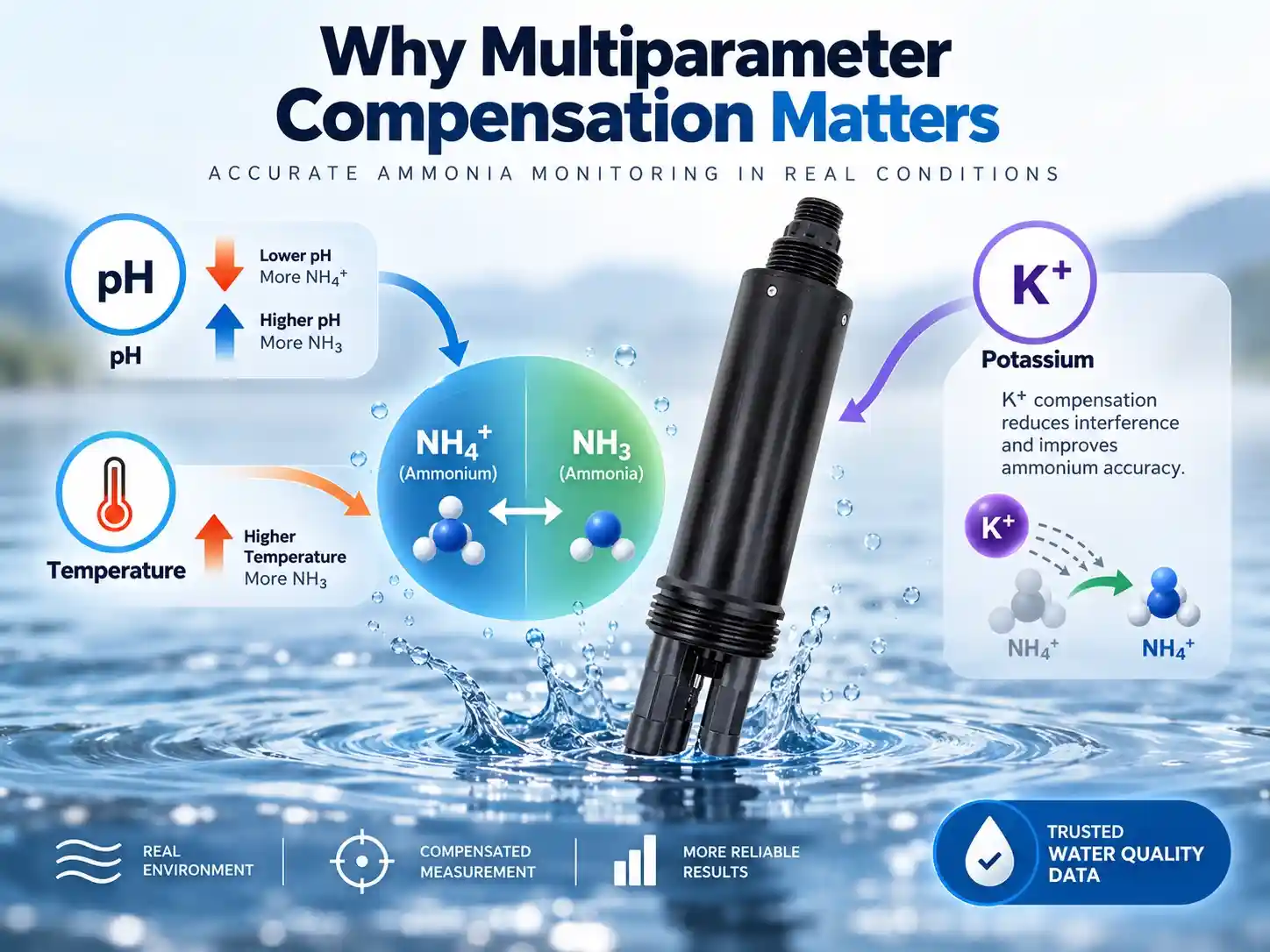
Зачем одновременно контролировать уровни NH4+, NH3, pH, температуру и калий?
Мониторинг аммиака становится более эффективным, когда система датчиков учитывает условия воды, окружающие место измерения аммиака.
Таким образом, прибор JW-NHN-302(K16) отслеживает несколько взаимосвязанных параметров, а не только одно значение NH4+.
NH4+ — ион аммония
Концентрация NH4+ измеряется непосредственно ионоселективным электродом.
Непрерывный сбор данных об уровне NH4+ может помочь операторам выявлять изменения в содержании азота, связанного с аммиаком, с течением времени и сравнивать концентрации в различных точках мониторинга или на разных этапах обработки.
NH3 — Свободный аммиак
NH3 — это неионизированная форма аммиака.
Ионы NH4+ и NH3 сосуществуют в воде, и баланс между ними изменяется в зависимости от химического состава воды. Мониторинг NH3 вместе с NH4+ может предоставить дополнительную информацию для применения в аквакультуре, очистке сточных вод и охране окружающей среды.
pH
Значение pH является важным параметром при оценке условий содержания аммиака, поскольку изменения pH влияют на соотношение между аммонием и свободным аммиаком.
Прибор JW-NHN-302(K16) включает функцию измерения pH и поддерживает компенсацию pH в диапазоне от 4 до 10.
Температура
Температура — ещё один важный фактор, влияющий на содержание аммиака в воде.
Датчик объединяет измерение температуры и использует элемент Pt1000 для автоматической температурной компенсации.
Ион калия
При определенных условиях воды калий может создавать помехи при измерениях с использованием селективного электрода для ионов аммония.
Таким образом, датчик измеряет концентрацию K+ и поддерживает компенсацию ионов калия в диапазоне от 0 до 1000 мг/л.
Это особенно полезно в тех случаях, когда состав воды меняется со временем, а простой однопараметрический аммониевый зонд может обеспечить лишь ограниченный контекст измерений.
Как работает датчик аммиачного азота?
В датчике используется ионоселективный электрод для обнаружения ионов аммония в воде.
Упрощенный процесс измерения выглядит следующим образом:
Чувствительная мембрана реагирует на активность ионов аммония в воде.
Сигнал обрабатывается вместе с данными компенсации температуры, pH и содержания калия, после чего результаты измерения передаются в подключенную систему мониторинга.
Полученные данные затем можно использовать для:
непрерывный мониторинг тенденций;
Выявление нештатных ситуаций;
наблюдение за процессом лечения;
Управление водными ресурсами в аквакультуре;
мониторинг окружающей среды;
дистанционная сигнализация;
Визуализация SCADA;
Интеграция IoT-платформы.
Онлайн-мониторинг аммиака против периодического лабораторного анализа
В программе мониторинга качества воды онлайн-датчики и лабораторные исследования выполняют разные функции.
Требования к мониторингу
Онлайн-датчик аммиака
Лабораторный анализ
Непрерывный мониторинг
Да
Нет
Высокочастотные данные
Да
Зависит от частоты выборки.
Удалённая передача данных
Да
Обычно не напрямую
Анализ тенденций
Подходящий
Ограничено интервалом выборки.
Автоматические сигнализации
Может быть интегрирован
Обычно недоступно в режиме реального времени.
Подключение ПЛК/SCADA
Да
Обычно косвенный
Полевое техническое обслуживание
Необходимый
Необходимые процедуры обработки образцов и лабораторные процедуры.
Проверка ссылки
Может поддерживать оперативный мониторинг.
Часто используется для проверки и аналитических исследований.
Таким образом, онлайн-датчик аммиачного азота не следует рассматривать как замену всем лабораторным анализам.
Однако этот метод особенно ценен в тех случаях, когда операторам необходимы непрерывные данные между интервалами отбора проб в лаборатории.
Мониторинг аммиака в процессе очистки сточных вод
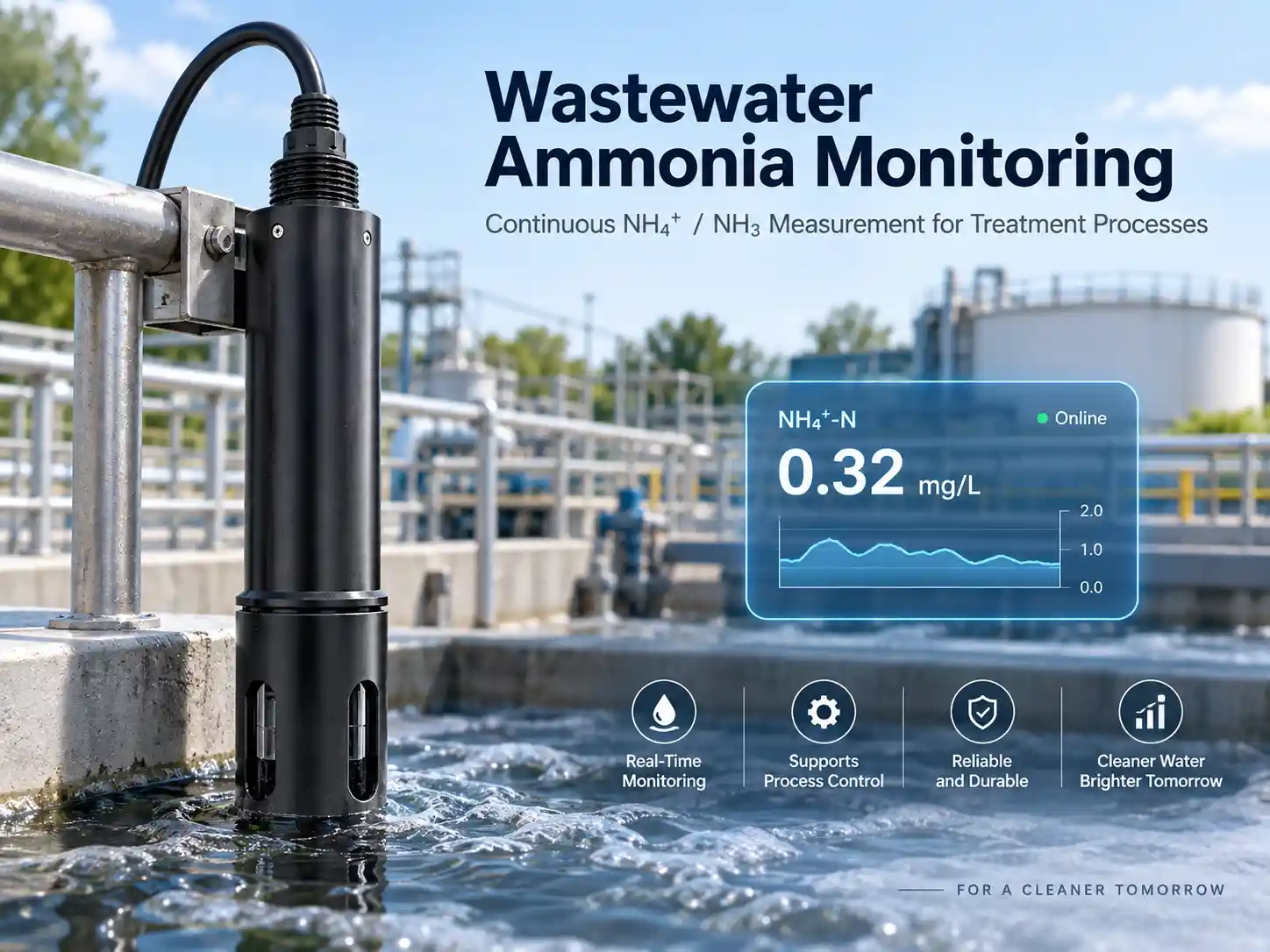
Очистка сточных вод — одно из основных применений непрерывного измерения содержания аммиачного азота.
Концентрация аммиака может изменяться на разных этапах процесса очистки. Периодические ручные пробы могут не фиксировать кратковременные колебания, в то время как онлайн-датчик обеспечивает непрерывные данные, которые могут быть интегрированы с системами управления и мониторинга установки.
Возможные точки установки включают:
Мониторинг поступающих сточных вод;
резервуары для биологической очистки;
точки мониторинга процесса;
Очищенные сточные воды на выходе;
муниципальные очистные сооружения;
системы очистки промышленных сточных вод;
места мониторинга сбросов.
Датчик можно использовать совместно с другими параметрами качества воды, такими как:
растворенный кислород;
нитрат;
pH;
проводимость;
мутность;
соленость;
ТПК;
температура.
Таким образом, данные об уровне аммиака становятся частью более широкой стратегии мониторинга сточных вод, а не отдельным измерением.
Мониторинг аммиака в аквакультуре
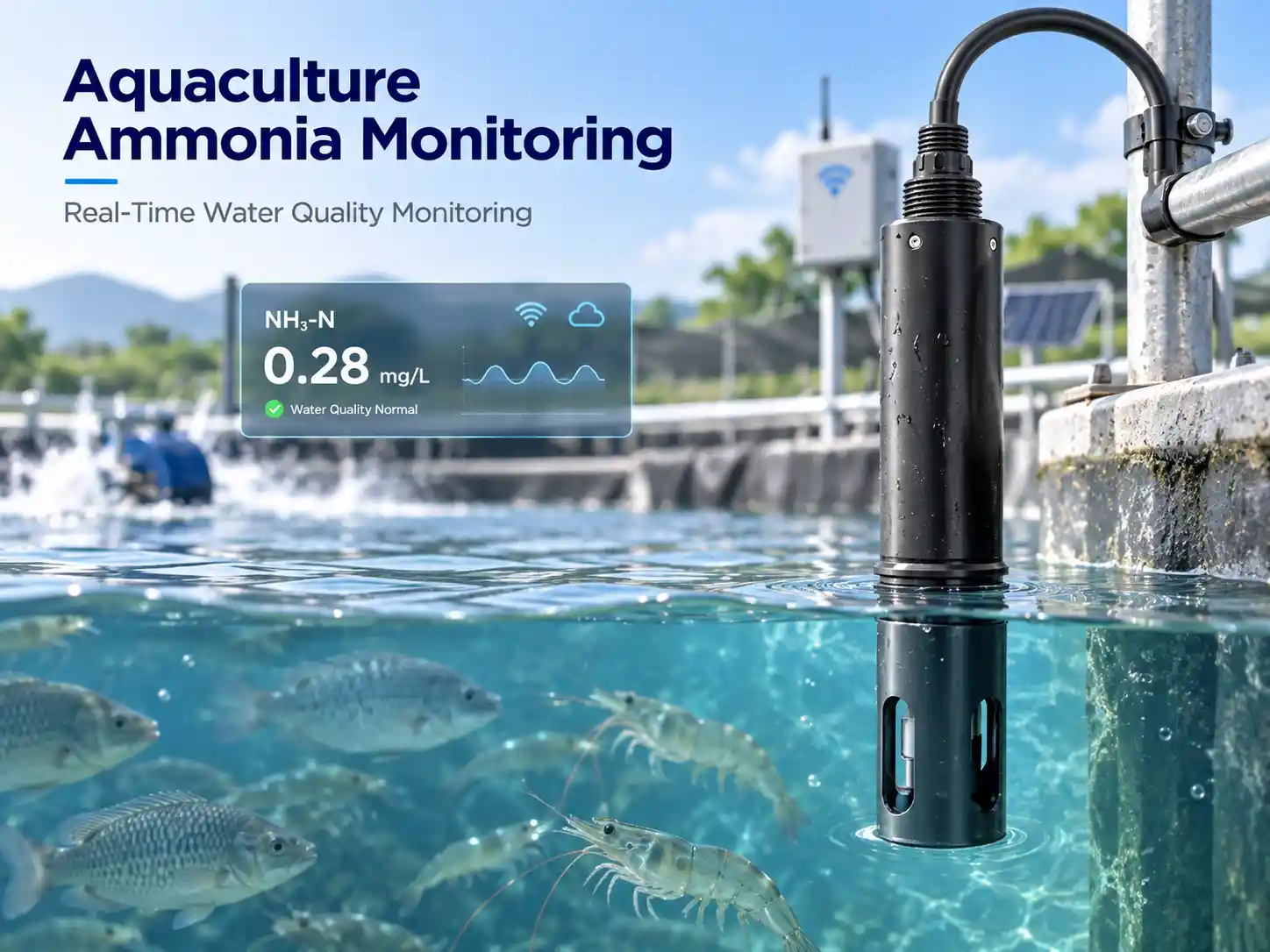
Аммиак является важным параметром в рыбоводных прудах, креветочных фермах и системах рециркуляционного рыбоводства.
Непрерывные измерения могут помочь операторам отслеживать изменения концентрации NH4+, NH3, pH и температуры по мере изменения условий воды в процессе кормления, биологической активности, водообмена и очистки.
Типичная конфигурация системы мониторинга качества воды в аквакультуре может включать в себя:
Данные с датчиков могут собираться устройством дистанционного управления (RTU), контроллером или IoT-шлюзом и передаваться на локальную или облачную платформу.
Этот тип архитектуры полезен для:
рыбоводство;
разведение креветок;
рециркуляционные системы аквакультуры;
мониторинг пруда;
инкубаторы;
научно-исследовательские проекты в области аквакультуры.
Мониторинг рек, озер и водохранилищ
Датчик аммиачного азота также может быть интегрирован в системы мониторинга качества поверхностных вод.
Типичные области применения включают:
реки;
озера;
водохранилища;
каналы;
мониторинг водосборного бассейна;
мониторинг сельскохозяйственного стока;
станции охраны окружающей среды.
Для удаленных пунктов мониторинга датчик RS485 может быть подключен к блоку сбора данных или коммуникационному шлюзу для удаленной телеметрии.
Сочетание мониторинга аммиака с другими параметрами, такими как растворенный кислород, электропроводность, мутность, pH и температура, позволяет операторам составить более полную картину изменений состояния воды.
Изучите JW-IoT Датчики качества воды для дополнительных параметров, используемых в многопараметрических системах мониторинга воды.
Мониторинг промышленных сточных вод и сбросов
На промышленных предприятиях может потребоваться мониторинг аммиака в рамках систем контроля технологической воды, очистки сточных вод или мониторинга сбросов.
Датчик может быть установлен в подходящих точках мониторинга и подключен к оборудованию промышленной автоматизации через интерфейс RS485 Modbus RTU.
Типичные компоненты системы могут включать в себя:
Датчик аммиачного азота;
контроллер сбора данных;
ПЛК;
промышленный компьютер;
HMI;
РТУ;
коммуникационный шлюз;
SCADA-платформа;
Платформа облачного мониторинга.
Окончательную конфигурацию системы следует выбирать в соответствии с фактическими характеристиками воды, диапазоном концентраций, условиями установки, требованиями к техническому обслуживанию и архитектурой связи.
Как выбрать правильный диапазон измерений
Прибор JW-NHN-302(K16) предлагает два варианта диапазона измерения NH4+:
0–100,0 мг/л
0–1000,0 мг/л
Доступные варианты линейки NH3:
0–15,0 мг/л
0–150,0 мг/л
Самый высокий доступный диапазон частот не всегда является лучшим выбором.
Перед выбором конфигурации датчика определите ожидаемую нормальную концентрацию и возможную пиковую концентрацию в месте мониторинга.
Для оценки проекта мы рекомендуем подтвердить следующее:
целевой тип воды;
ожидаемая концентрация NH4+;
максимальная концентрация аммиака;
типичный диапазон pH;
температура воды;
концентрация калия, если имеется;
место установки;
давление воды;
глубина мониторинга;
интерфейс связи;
Расстояние между кабелями;
потребовались дополнительные параметры качества воды.
Предоставление репрезентативных исторических данных о качестве воды может помочь определить, какой диапазон измерений более подходит для проекта.
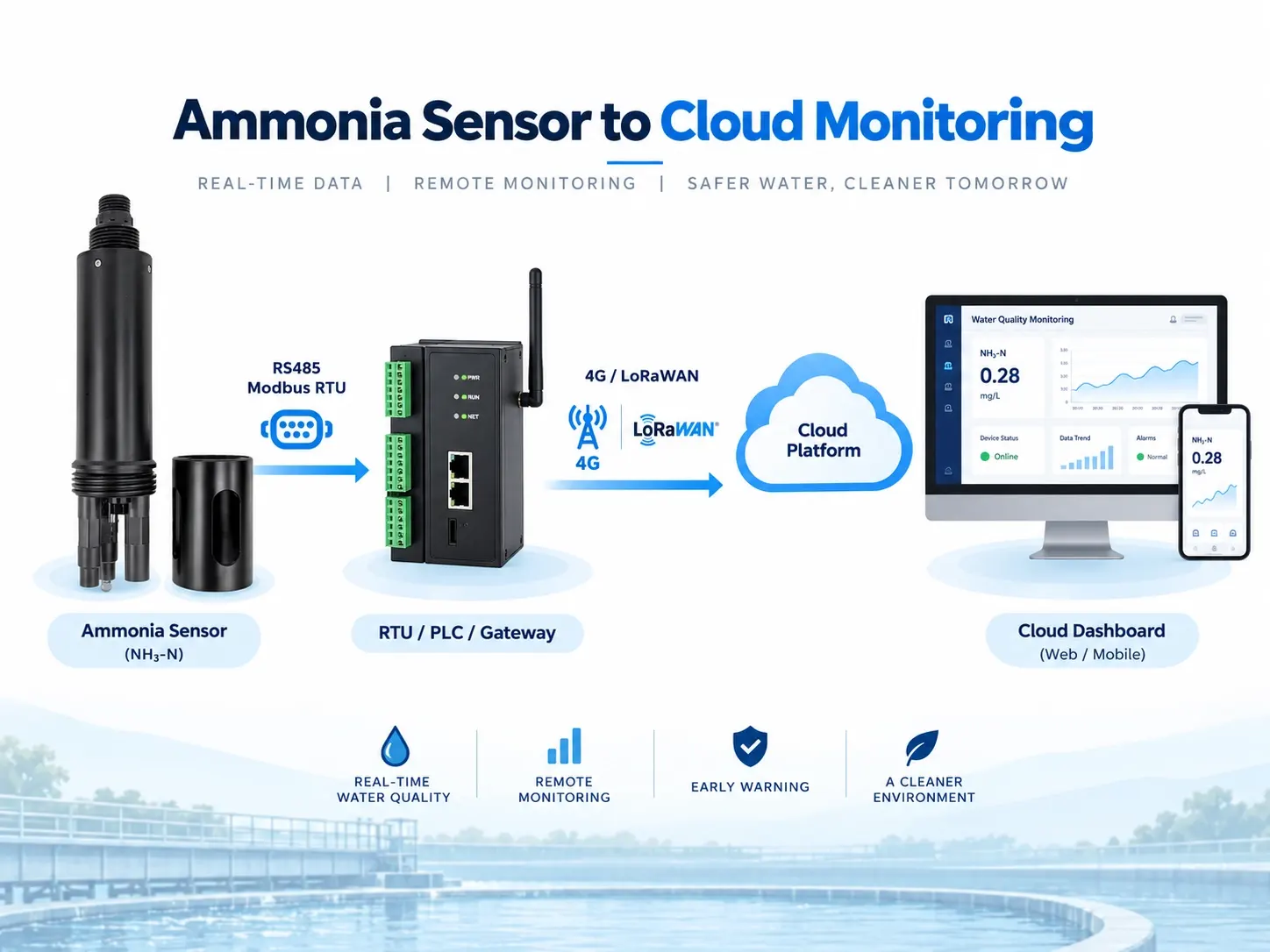
От датчика к облаку: архитектура онлайн-мониторинга аммиака
Датчик аммиачного азота может использоваться в качестве одного из компонентов комплексной системы дистанционного мониторинга воды.
Типичная архитектура выглядит следующим образом:
Датчик аммиачного азота ↓ RS485 Modbus RTU ↓ ПЛК / Регистратор данных / RTU / IoT-шлюз ↓ 4G / LoRaWAN / Ethernet или другая коммуникационная сеть ↓ Облачный сервер / SCADA-платформа ↓ Панель управления / API / Система сигнализации
Это позволяет автоматически собирать данные об уровне аммиака в полевых условиях и объединять их с данными других датчиков качества воды.
Коммуникационные продукты JW-IoT поддерживают такие технологии, как RS485, 4G, LoRaWAN, Ethernet и подключение к шлюзу для приложений «датчик-платформа».
Специализированный датчик аммиака или многопараметрический зонд для измерения качества воды?
Для разных проектов требуются разные архитектуры датчиков.
Прибор JW-NHN-302(K16) подходит в тех случаях, когда основным требованием к мониторингу являются параметры, связанные с аммиаком, и проект нуждается в следующем:
NH4+;
NH3;
K+;
pH;
температура.
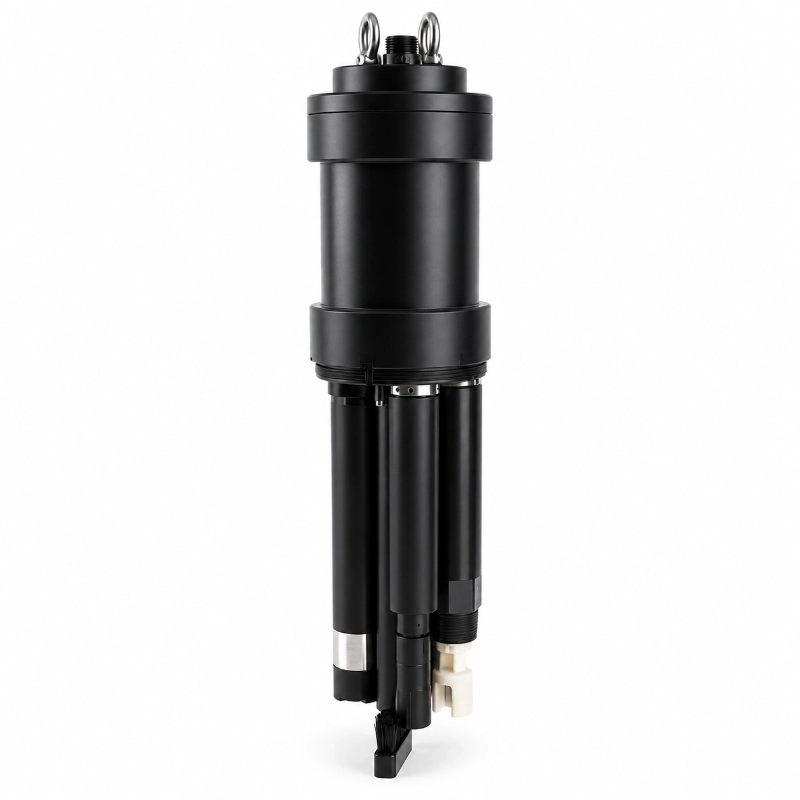
Для приложений, требующих большего количества параметров в одном интегрированном приборе, более подходящим может быть конфигурируемый многопараметрический зонд.
Датчик поддерживает погружную установку благодаря своему резьбовому соединению 3/4 NPT.
Для обеспечения стабильной работы установка должна соответствовать требованиям к датчикам, указанным ниже.
Угол установки
Не устанавливайте датчик вверх ногами или полностью горизонтально.
Зонд следует устанавливать под углом наклона не менее 15°.
Перед установкой проверьте электрод.
Перед установкой проверьте головку мембраны на наличие пузырьков воздуха.
Если присутствуют пузырьки:
держите датчик вертикально;
Встряхните его вниз в сторону защитного колпачка с мембраной; или
Слегка постучите несколько раз по внешней стороне защитного колпачка.
Это помогает удалить пузырьки воздуха из головки электродной мембраны.
Защита полевой проводки
Для длительной эксплуатации в воде, морской воде или во влажной среде на открытом воздухе:
Гидроизоляция всех соединений проводов;
защитить кабельные соединения от влаги;
Используйте соответствующую коррозионно-стойкую защиту для кабеля со стороны пользователя.
Место установки должно обеспечивать репрезентативный контакт с водой, а также делать возможным проведение технического обслуживания и калибровки в будущем.
Активация электрода перед использованием
Перед проведением первого измерения чувствительную мембрану следует подготовить в соответствии с инструкцией к датчику.
Электрод можно замачивать примерно на 2 часа в смешанном растворе, содержащем:
Это активирует чувствительную мембрану перед измерением.
Правильная подготовка электрода важна для обеспечения стабильной ионоселективной работы электрода.
Калибровка и техническое обслуживание
Датчик поддерживает двухточечную калибровку.
Регулярное техническое обслуживание важно для долговременного онлайн-мониторинга аммиака, поскольку чувствительная мембрана непосредственно контактирует с водой.
Частота технического обслуживания зависит от области применения и состояния воды.
Сточные воды, воды, содержащие взвешенные твердые частицы или биологические наросты, могут нуждаться в более частом осмотре, чем относительно чистая вода.
Рекомендуемые проверки включают:
Осмотрите поверхность мембраны;
проверить наличие депозитов;
Осмотрите корпус датчика;
проверьте кабели и водонепроницаемые соединения;
проверить стабильность измерений;
При необходимости выполните калибровку;
Сравните показания, полученные в режиме реального времени, с соответствующими эталонными измерениями.
Хранение и чистка
Если электрод хранится в течение ночи или более длительного периода:
Подходит для проектов по мониторингу рек, озер, водохранилищ и окружающей среды.
Сеть мониторинга водных ресурсов, охватывающая несколько объектов
Несколько станций мониторинга могут передавать данные на централизованную платформу, что позволяет операторам сравнивать состояние качества воды в разных местах.
Совместимые параметры качества воды
Для полноценной станции мониторинга качества воды может потребоваться нечто большее, чем просто измерение уровня аммиака.
В зависимости от требований проекта, датчик аммиачного азота может быть объединен со следующими компонентами:
Почему стоит использовать RS485 Modbus RTU для онлайн-мониторинга воды?
В устройстве JW-NHN-302(K16) для цифровой связи используется протокол RS485 Modbus RTU.
Этот интерфейс широко используется в промышленной автоматизации и мониторинге окружающей среды, поскольку позволяет интегрировать датчик с различными системами сбора данных и управления.
К совместимому оборудованию могут относиться:
ПЛК;
системы DCS;
RTU;
промышленные компьютеры;
регистраторы данных;
IoT-шлюзы;
терминалы мониторинга.
Для удаленных проектов сигнал RS485 может быть принят совместимым шлюзом или RTU и передан по беспроводной или проводной сети связи.
Это помогает отделить уровень сбора данных от уровня связи и предоставляет системным интеграторам большую гибкость при проектировании сетей полевого мониторинга.
Какую информацию необходимо предоставить перед оформлением заказа?
Для рекомендации подходящей конфигурации мониторинга аммиачного азота, пожалуйста, по возможности предоставьте следующую информацию о проекте:
приложение;
тип воды;
ожидаемый диапазон концентрации NH4+;
максимальная концентрация NH4+;
ожидаемый уровень pH;
рабочая температура;
концентрация калия, если известна;
глубина мониторинга;
способ установки;
количество точек мониторинга;
длина кабеля;
имеющийся источник питания;
Требования к ПЛК или RTU;
Требования к беспроводной связи;
Требования к облачной платформе;
требуются другие параметры качества воды.
Предоставление этих сведений помогает определить, соответствует ли стандартная конфигурация датчиков фактической среде мониторинга.
Приложения
Датчик аммиачного азота JW-NHN-302(K16) можно использовать для следующих целей:
1. Очистка сточных вод
Непрерывный мониторинг содержания NH4+, NH3, pH, калия и температуры в системах муниципальных и промышленных сточных вод.
2. Аквакультура
Мониторинг содержания аммиака в рыбоводных прудах, креветочных фермах и системах рециркуляционного рыбоводства.
3. Мониторинг рек
Непрерывное измерение уровня аммиака в рамках работы станций мониторинга качества речной воды.
4. Мониторинг озер и водохранилищ
Интеграция с многопараметрическими системами мониторинга поверхностных вод.
5. Промышленные сточные воды
Онлайн-мониторинг аммиака в технологических водах и сточных водах.
6. Мониторинг сельскохозяйственного стока
Мониторинг качества воды, связанного с содержанием питательных веществ, в подходящих местах стока или водоотведения.
7. Станции экологического мониторинга
Интеграция с удаленными терминалами, системами связи и централизованными платформами для мониторинга качества воды.
8. Исследования и тестирование качества воды
Непрерывные полевые измерения и экспериментальный мониторинг, требующие получения данных в режиме реального времени о концентрации NH4+, NH3, pH, калия и температуре.
Создайте онлайн-систему мониторинга аммиака.
Непрерывный мониторинг аммиака становится более эффективным, когда полевые измерения интегрируются с программным обеспечением для сбора данных, связи и мониторинга.
Полная система может включать в себя:
Датчик аммиачного азота + другие датчики качества воды + RTU/контроллер + коммуникационный шлюз + облачная/SCADA платформа
В зависимости от проекта, сеть мониторинга может быть спроектирована для следующих целей:
очистные сооружения сточных вод;
рыбоводческие хозяйства;
реки;
озера;
водохранилища;
промышленные сточные воды;
станции экологического мониторинга;
Многосайтовые интеллектуальные сети водоснабжения.
Для локального сбора данных и управления системой изучите JW-IoT. Контроллеры.
Запросить настройку системы мониторинга аммиачного азота
Выбор онлайн-датчика аммиака должен основываться на фактических условиях воды и требованиях системы, а не только на диапазоне измерений.
При обращении в JW-IoT, пожалуйста, предоставьте следующую информацию:
Область применения + Диапазон концентрации NH4+ + Состояние воды + Количество точек мониторинга + Способ связи + Необходимые дополнительные параметры
Наша команда может помочь оценить архитектуру датчиков и систем мониторинга для проектов по мониторингу сточных вод, аквакультуры, водных ресурсов и промышленных объектов.
Обратитесь в компанию JW-IoT для выбора продукции, системной интеграции и реализации проектов по мониторингу качества воды.
Часто задаваемые вопросы
Q
1. Для чего используется многопараметрический датчик аммиачного азота?
A
Он используется для непрерывного мониторинга ионов аммония, свободного аммиака, ионов калия, pH и температуры в сточных водах, аквакультуре, речных, озерных и промышленных водоемах.
Q
2. Какие параметры может измерять этот датчик?
A
Датчик измеряет содержание NH4+, NH3, K+, pH и температуру, что делает его пригодным для онлайн-мониторинга питательных веществ и аммиачного азота.
Q
3. Может ли этот датчик подключаться к ПЛК или платформе IoT?
A
Да. Он обеспечивает вывод сигнала RS485 Modbus RTU и может быть интегрирован с ПЛК, системами DCS, RTU, регистраторами данных, шлюзами IoT и облачными платформами мониторинга.
Q
4. Подходит ли этот датчик для мониторинга аммиака в аквакультуре?
A
Да. Он может отслеживать содержание аммиачного азота, pH, ионов калия и температуру в прудах для аквакультуры и системах рециркуляционного рыбоводства.
Q
5. Как JW-IoT использует этот датчик в проектах по интеллектуальному водоснабжению?
A
JW-IoT позволяет интегрировать датчик аммиачного азота с IoT-шлюзами, облачными панелями мониторинга, системами сигнализации и многопараметрическими платформами мониторинга качества воды.
Q
6. Поддерживает ли датчик автоматическую компенсацию?
A
Да. Он поддерживает автоматическую температурную компенсацию с Pt1000, компенсацию pH от 4 до 10 и компенсацию ионов калия от 0 до 1000 мг/л.
Q
7. Может ли JW-IoT обеспечить комплексные решения для мониторинга сточных вод с помощью этого датчика?
A
Да. JW-IoT может объединять датчики аммиачного азота, нитратов, растворенного кислорода, pH, электропроводности, мутности и солености для создания комплексных решений по мониторингу сточных вод.
Q
8. На что следует обратить внимание во время установки?
A
Датчик не следует устанавливать вверх ногами или горизонтально. Его следует устанавливать под углом наклона не менее 15 градусов.
Q
9. Может ли JW-IoT адаптировать систему мониторинга под различные проекты?
A
Да. JW-IoT поддерживает кабель нестандартной длины, интеграцию с RS485 Modbus, подключение к шлюзу, настройку облачной панели управления и интеграцию с многосенсорной системой.
 +86 13520127780
  info@jingelway.com